Curriculum
At Downs Infants we believe that education is about developing the whole child. It should enable children to be able to make the very best of their lives; having choice and opportunity in their social and economic situation, contributing to society, and developing a sense of self-worth. A good education should be rich in knowledge and in opportunities to apply that knowledge. Children’s education should include experiences of our cultural, artistic, sporting and social heritage, and encourage them to contribute to this.
Evidence suggests that embedding learning is most effective when there is the opportunity for 'spaced retrieval' i.e. revisiting knowledge, skills and concepts away from the point of teaching, and over time. We have applied this principle appropriately to infant children by making use of 'continuous provision'. Children have access to an environment both inside and out that allows them to continue and extend their learning in the absence of an adult. Using the characteristics of effective learning, children are encouraged to be independent, curious, and to persevere - with skilled adults available for guidance and support.

Our aim at Downs Infants is for all of our children to develop a love and passion for every aspect of English. We provide a language rich environment so that children are continually stumbling across opportunities; this reinforces their learning and love of English in fun and meaningful ways.
Through our range and variety of texts, authors and genre we aim to inspire children to make informed choices about what they would like to read and write about. One child’s love of a comic is another child’s fascination with a non fiction book! We have a comprehensive reading spine representing all types of diversity as well as including classics!
We recognise the importance of nurturing a culture where children take pride in their writing, can write clearly and accurately and adapt their language and style for a range of contexts.
We want to inspire children to be confident in the art of speaking and listening and to be able to use discussion to communicate and further their learning.
We believe that children need to develop a secure knowledge-base in English, which follows a clear pathway of progression as they advance through the primary curriculum.


Maths at Downs Infants
Mathematics is the study of structure, space and change and has provided the solution to some of history's most intriguing problems.
We want all of our children to develop a positive attitude to mathematics and see themselves as ‘mathematicians.’ The National Curriculum [2014] recognises that mathematics ‘[It] is essential to everyday life, critical to science, technology and engineering, and necessary for financial literacy and most forms of employment’.
We aim to provide our children with a secure foundation for their mathematical understanding and a lifelong love of the subject. Following a maths mastery approach we want children from Early Years to Year 2 and beyond to master maths and number sense and we believe that all children can succeed.
We want to ensure that all children:
- become fluent in the fundamentals of mathematics
- are able to reason mathematically
- can solve problems by applying their mathematics
Mathematics - Statutory Framework for the Early Years Foundation Stage EYFS 2021
In Reception the children develop their understanding of the number system and learn that we can represent numbers in different ways. Developing a strong grounding in number is essential so that children can develop the necessary building blocks to excel mathematically. There is, of course, lots of counting
We use the Mastering Number programme from NCETM (National Centre for Excellence in the Teaching of Mathematics) to teach maths. Much of the children’s mathematical experience is through planned activities in the learning environment. Practitioners support and extend concepts as the children count, sort, classify and spot patterns to solve problems. The children are also given plenty of opportunities to explore mathematical concepts during COOL time. This is a time when children can develop their spatial reasoning skills across all areas of mathematics including shape, space and measure.
Purpose of Study - National Curriculum 2014
In Key Stage 1 the children continue to develop their ‘number sense,’ particularly through an understanding of place-value, equivalence and the relationships between operations, such as addition and subtraction. Again, we use a range of representations and equipment to support children in constructing their understanding. As children meet new concepts they explore them using practical apparatus before moving to the abstract signs and symbols. We aim to provide the children with ‘rich’ tasks not only to consolidate understanding of the number system but to develop reasoning and problem-solving skills. The children are encouraged to talk about their learning as they begin to decipher the ‘language’ of mathematics. We use the NCETM materials for our main maths teaching and the Mastering Number programme for our Maths Fluency lessons.
Maths Fluency lessons are quick fire lessons delivered four times a week in KS1 aimed at promoting automaticity of number facts and reasoning skills.
The overarching aims of the National Curriculum are for all children to develop fluency in the fundamentals of mathematics [‘number sense’], to be able to reason mathematically and be able to solve problems. But above all, we want the children to develop confidence in mathematics and enthusiasm for the subject!

At Downs Infant School, we aim to provide a broad and balanced curriculum and to fulfil the requirements of the National Curriculum and the EYFS, which is inclusive to all children. This is in line with our school values of aspiration, belonging, creativity, diversity, empathy and flexibility.
We aim to provide an education that is rich in knowledge that allows pupils the opportunity to apply skills, revisiting prior learning in continuous provision with an enquiry based approach.
We link science to pupils topic work, as much as is possible so that the learning has meaning and is relevant. Our aim is to develop how children work scientifically and confidently alongside the content we teach, giving them opportunities for enquiry when they arise and encouraging pupils to use scientific language appropriately.
Pupils learning will be through coherent planning and will be both cross-curricular and direct when specific content needs to be taught. Thus giving their learning a purpose and context. Creativity is widely encouraged to give learning purpose and inspiration. Learning is child centred. We aim to give the children a desire to learn and an experience of ownership over their learning and challenges.
Downs Infants is part of the Our City Our World project, which enables us to address scientific areas of interest throughout the teaching of many subjects, as we inspire pupils to see the natural world with awe and wonder, to recognise the impact we can have as a society and the possible changes we can make to support the health of our planet and all life on earth. With the greening of our curriculum we teach pupils key vocabulary to support climate literacy and the transition to Downs Juniors, who are also a part of the project.
We want to ensure an education that develops the whole child. We encourage a hands on approach to learning supported by research on the internet and a range of children’s books and literature to enhance our science teaching. In our daily school life, we look for opportunities to discuss scientific developments in many aspects of life.
We believe the curriculum should include experiences of our cultural, artistic and social heritage, and encourage pupils to contribute to this. In science, this includes being introduced to key scientific figures who challenge stereotypes of scientists.
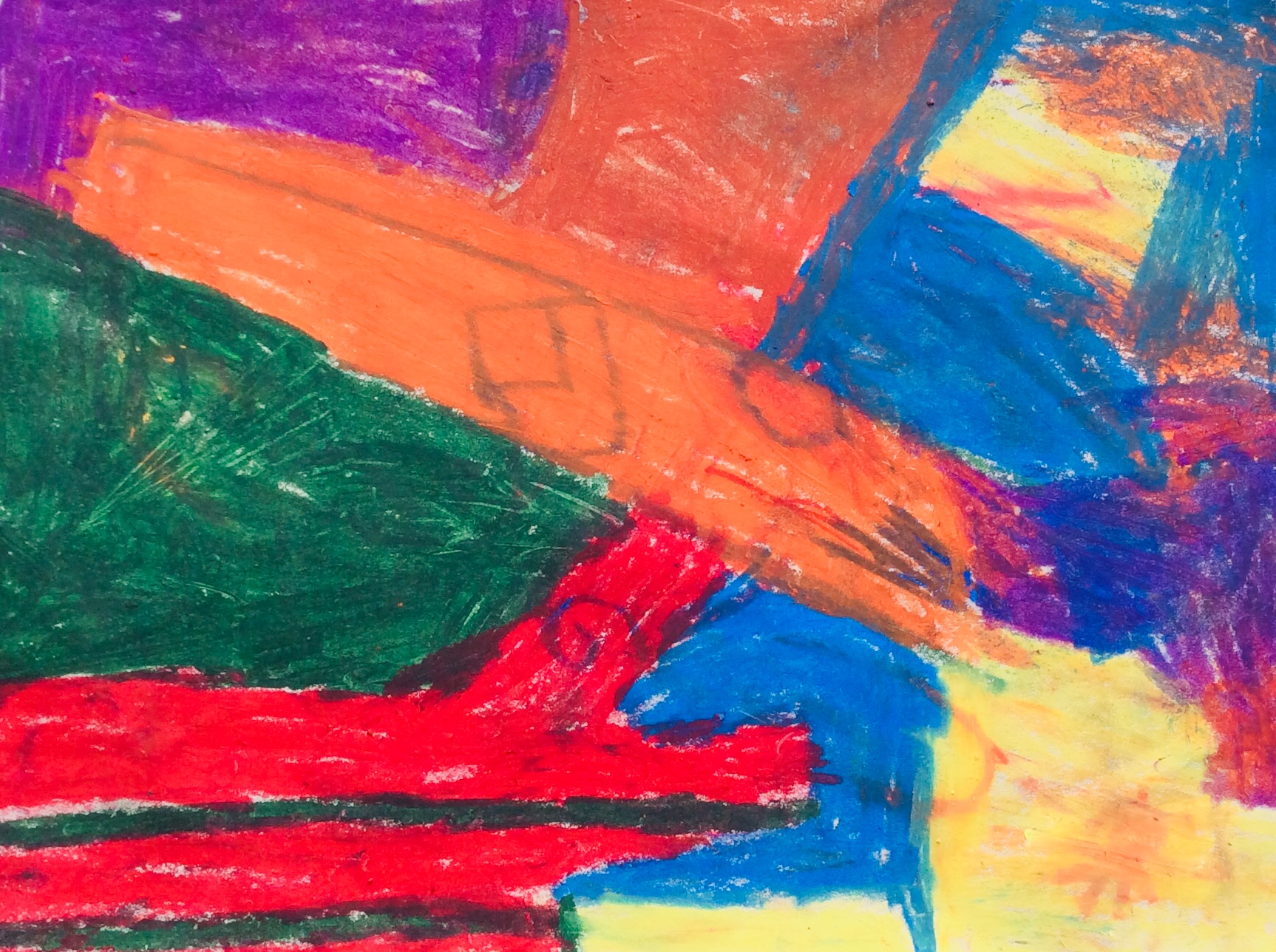
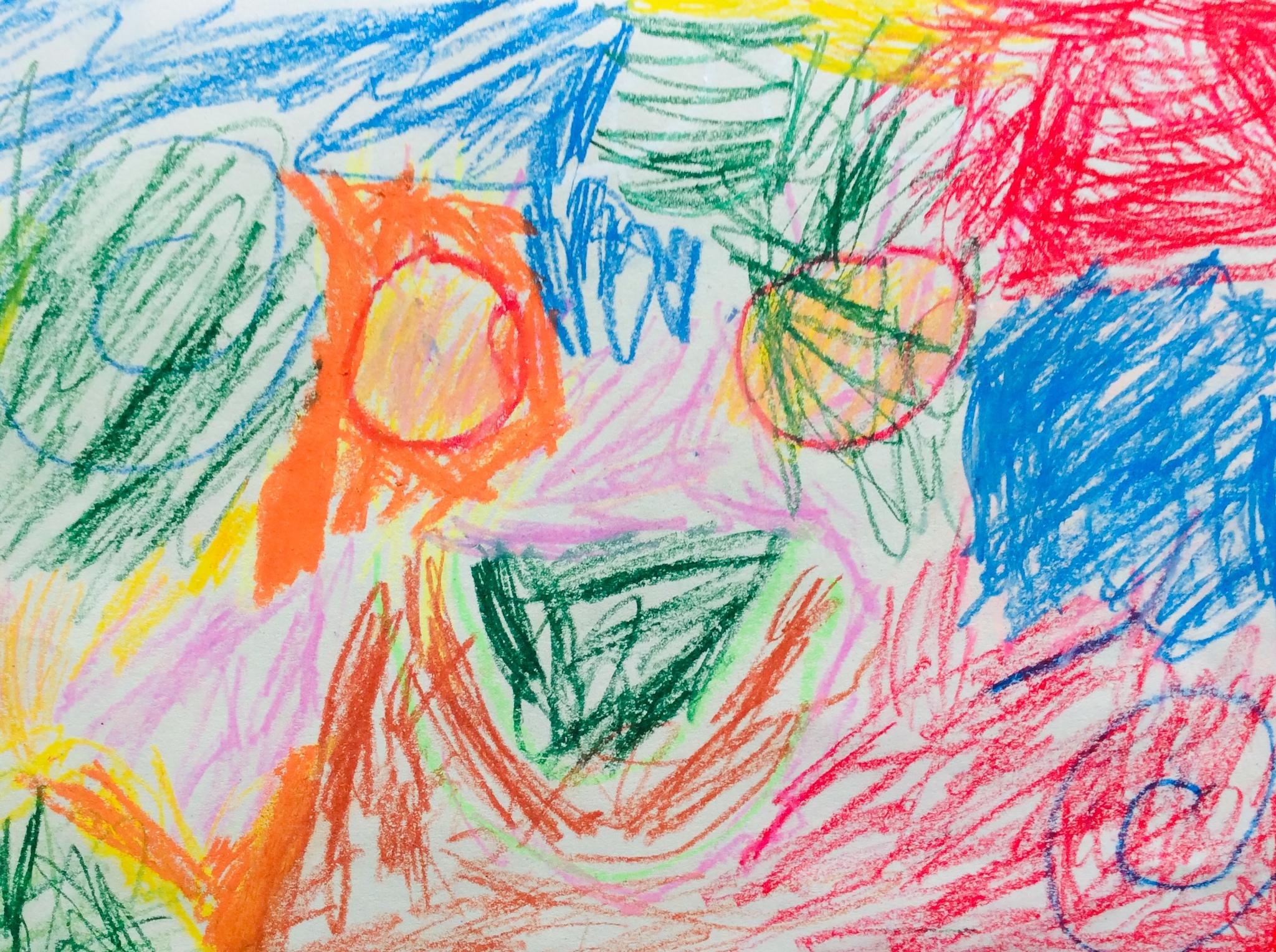
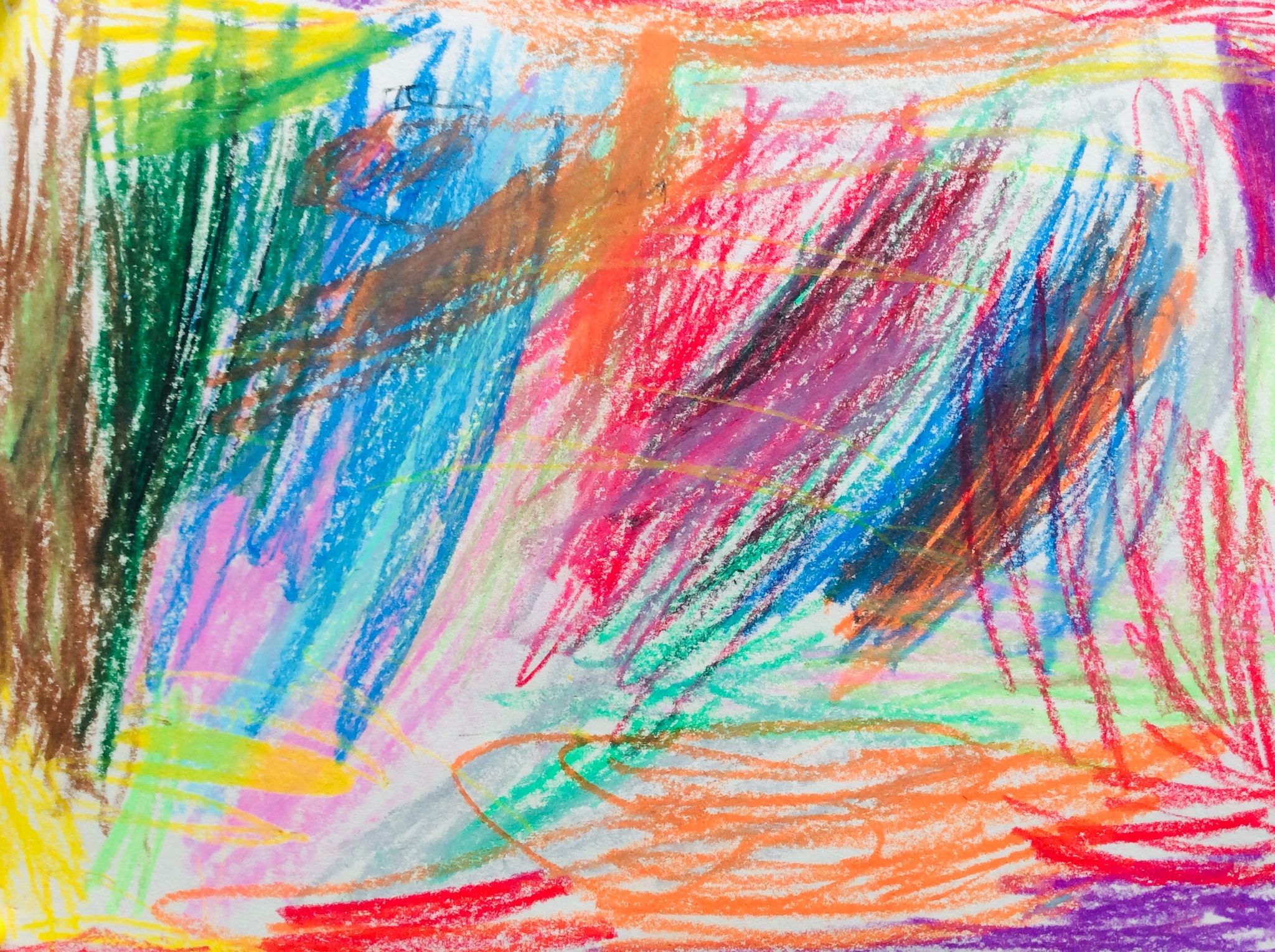
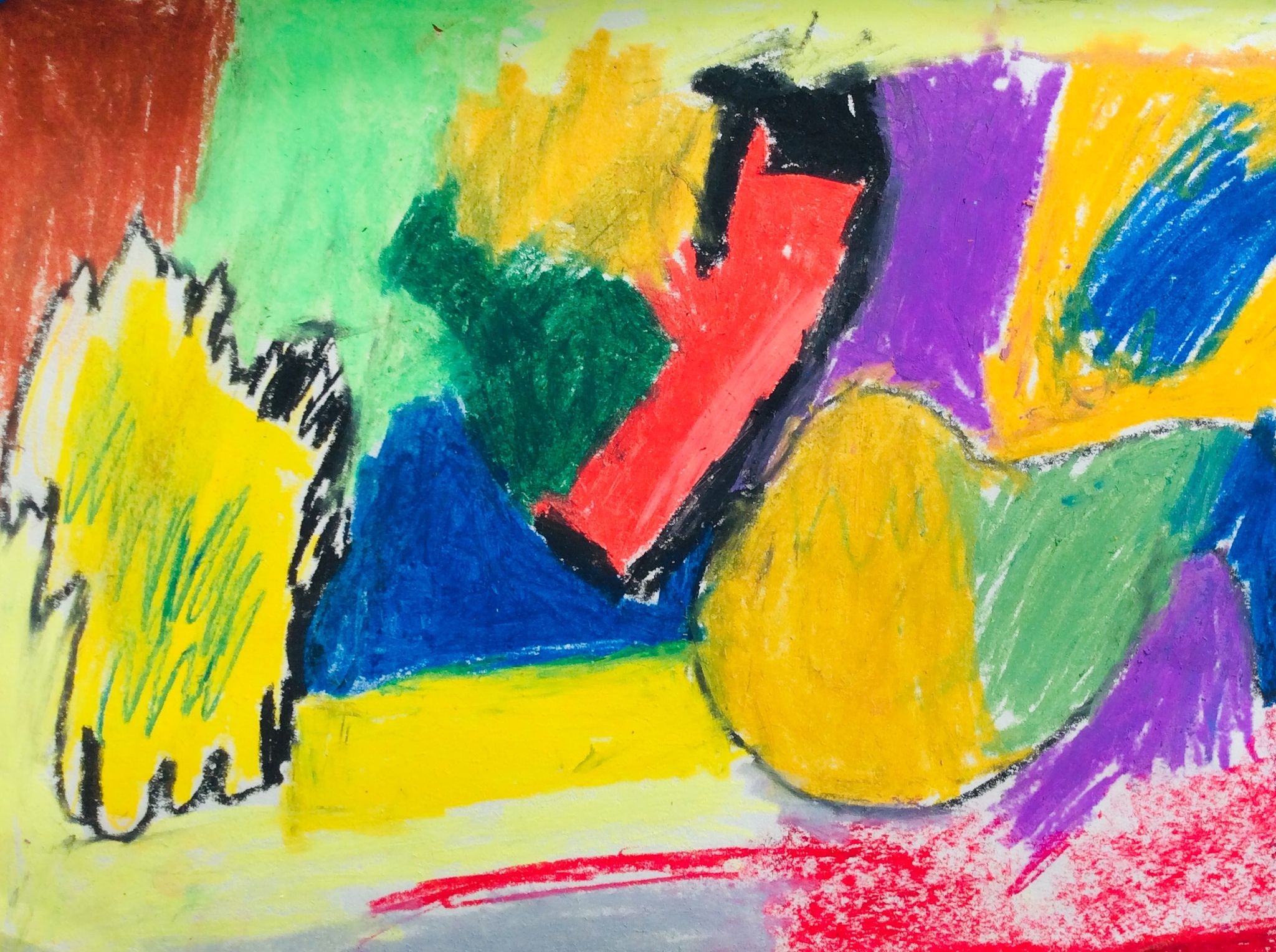
 At Downs Infant School we believe that Art and Design stimulates creativity and imagination. It provides visual, tactile and sensory experiences and a special way of understanding and responding to the world. It enables children to communicate what they see, feel and think through the use of colour, texture, form, pattern and different materials and processes.
Children become involved in shaping their environments through art and design activities. They learn to make informed judgements and aesthetic and practical decisions. They explore ideas and meanings through the work of artists and designers. Through learning about the roles and functions of art, they can explore the impact it has had on contemporary life and that of different times and cultures. We also give children the chance to revisit their learning frequently by encouraging their own projects in Continuous Provision.
Our principal aim is to develop children’s knowledge, skills, confidence, and understanding in art and design. We are committed to provide a creative, cross curricular approach to our programmes of study that reflect the diverse world we live in, including SEND, culture, race and gender and aim to give our pupils opportunities to study the Arts from a wide variety of different perspectives.
The appreciation and enjoyment of the visual arts enriches all our lives.
Reception Self Portraits
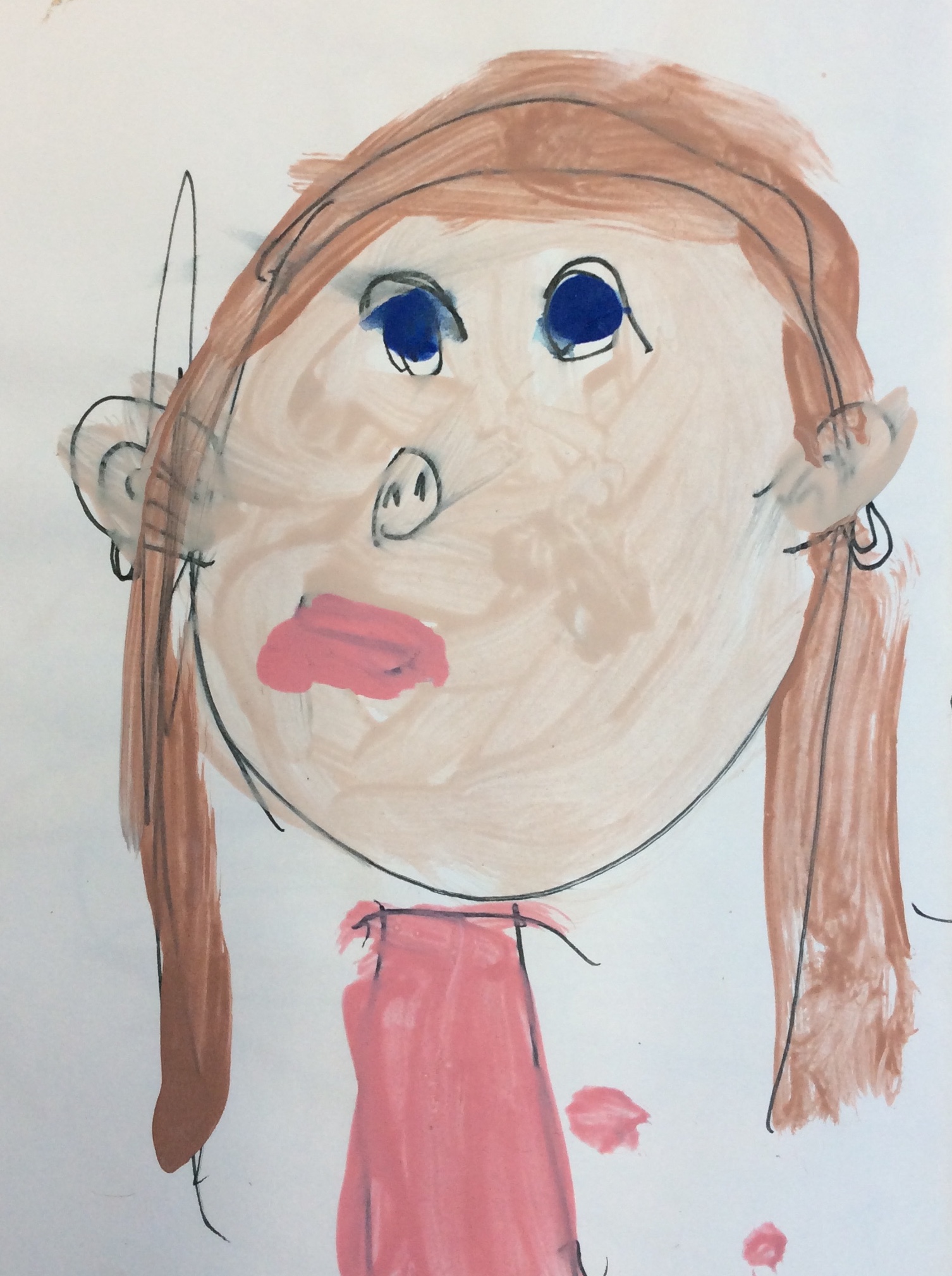
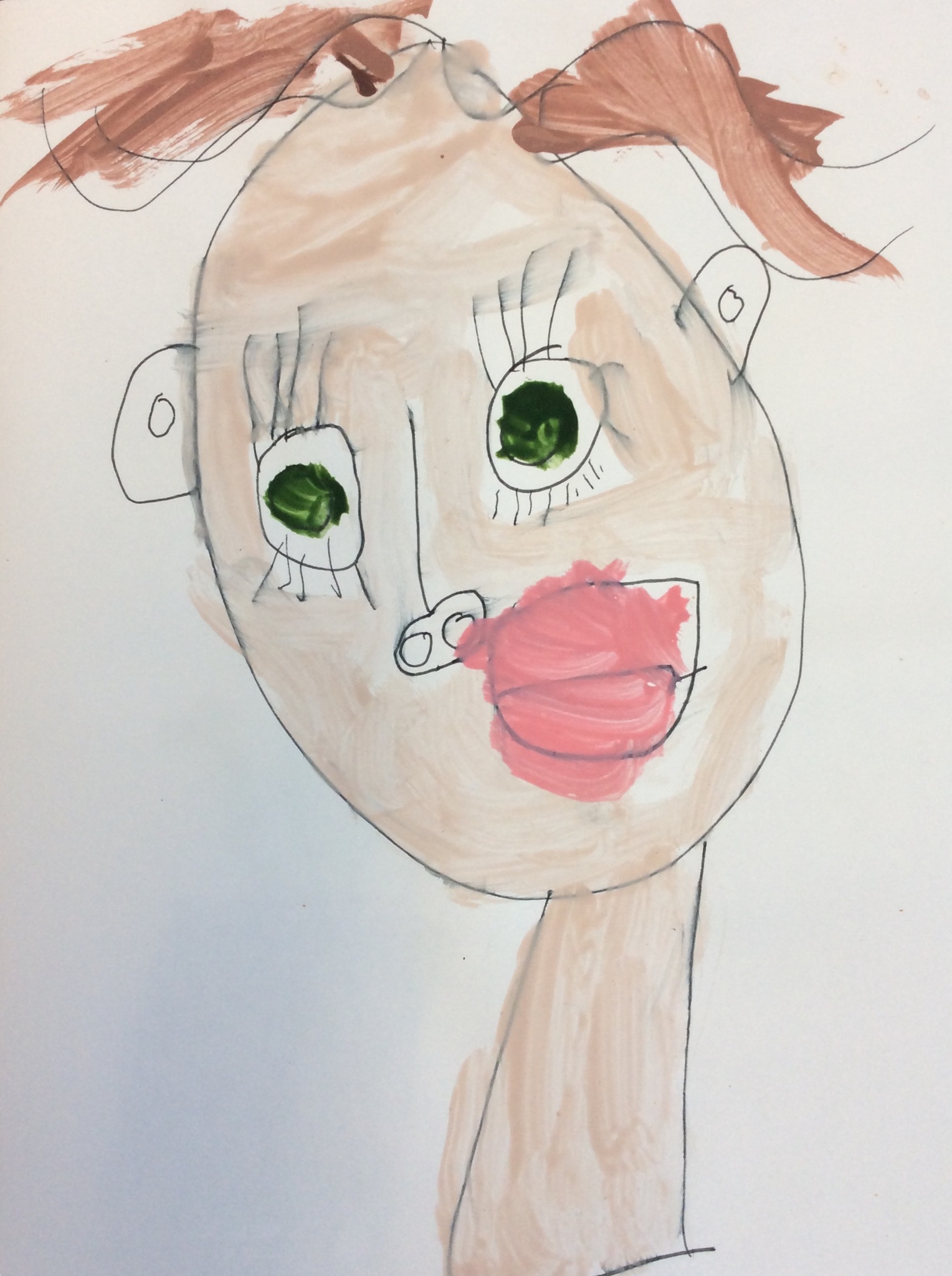
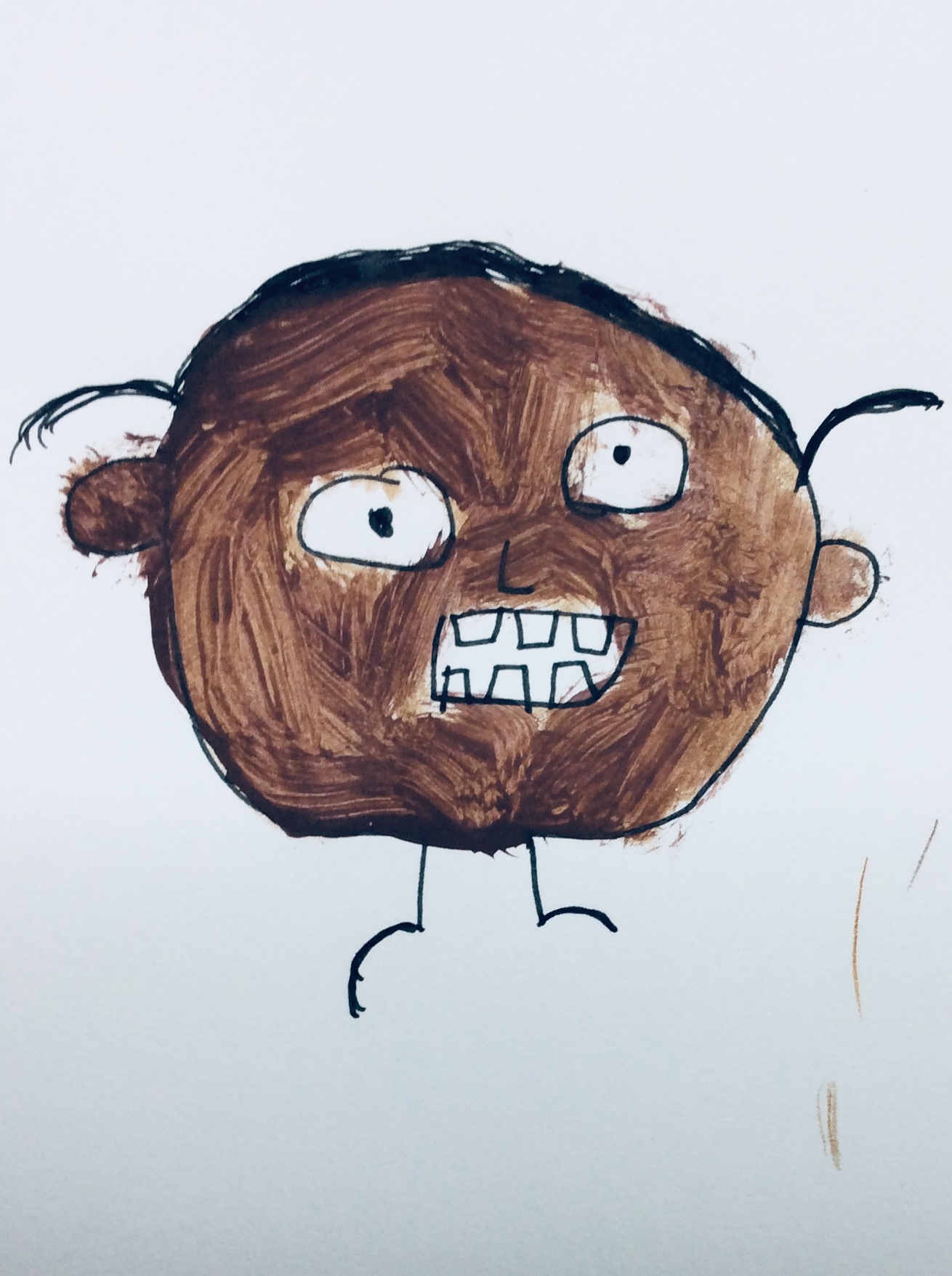
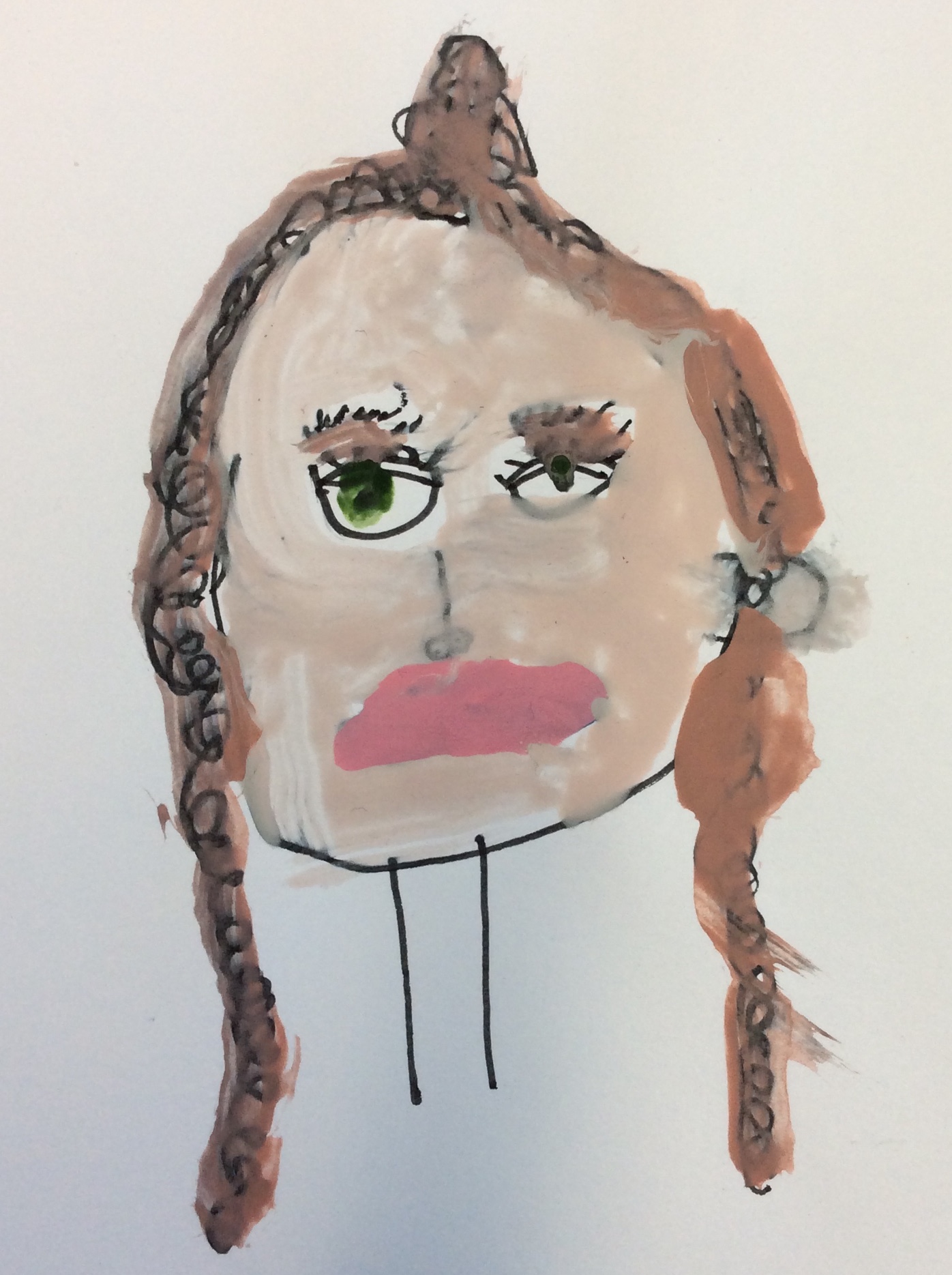
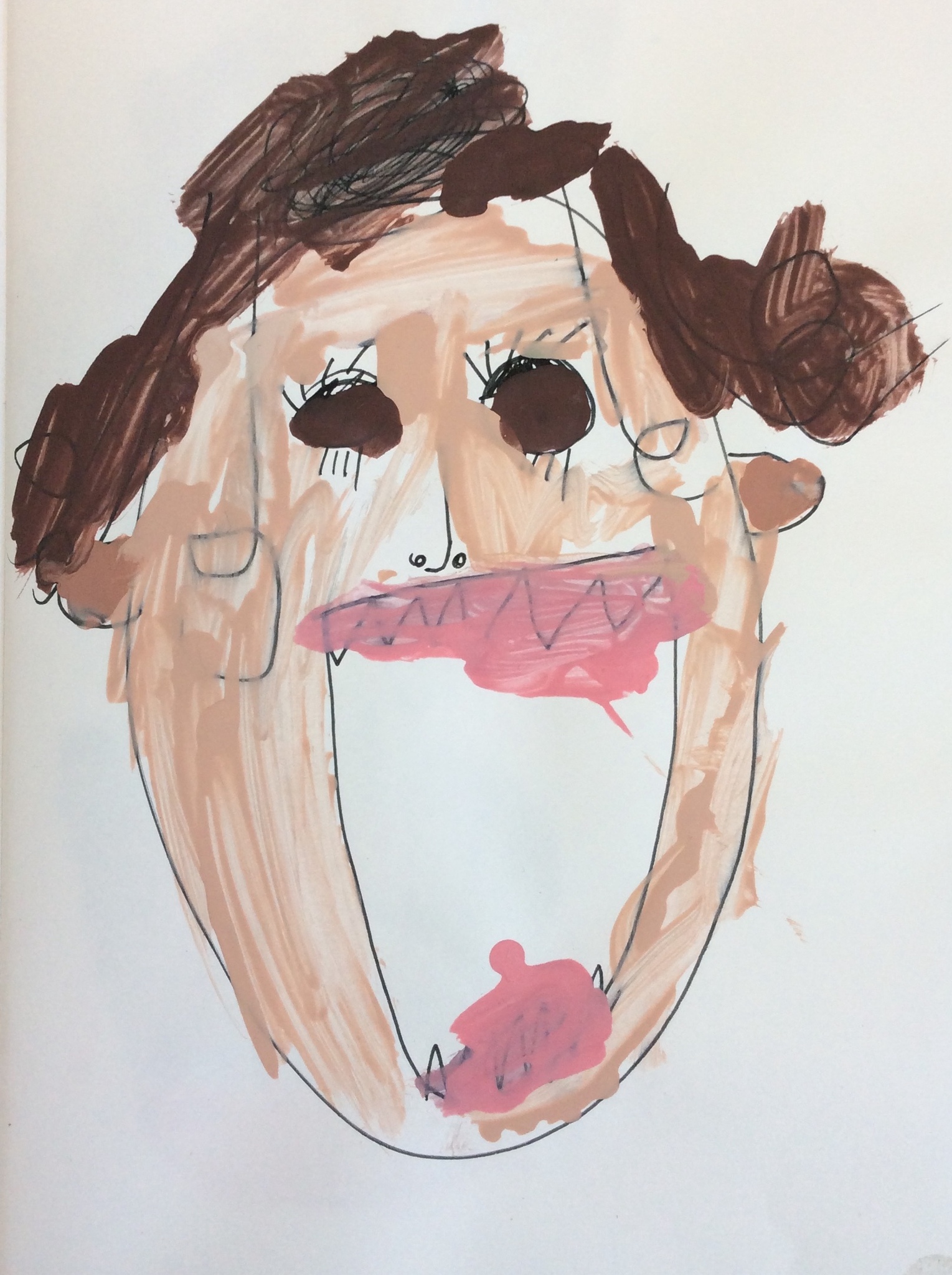
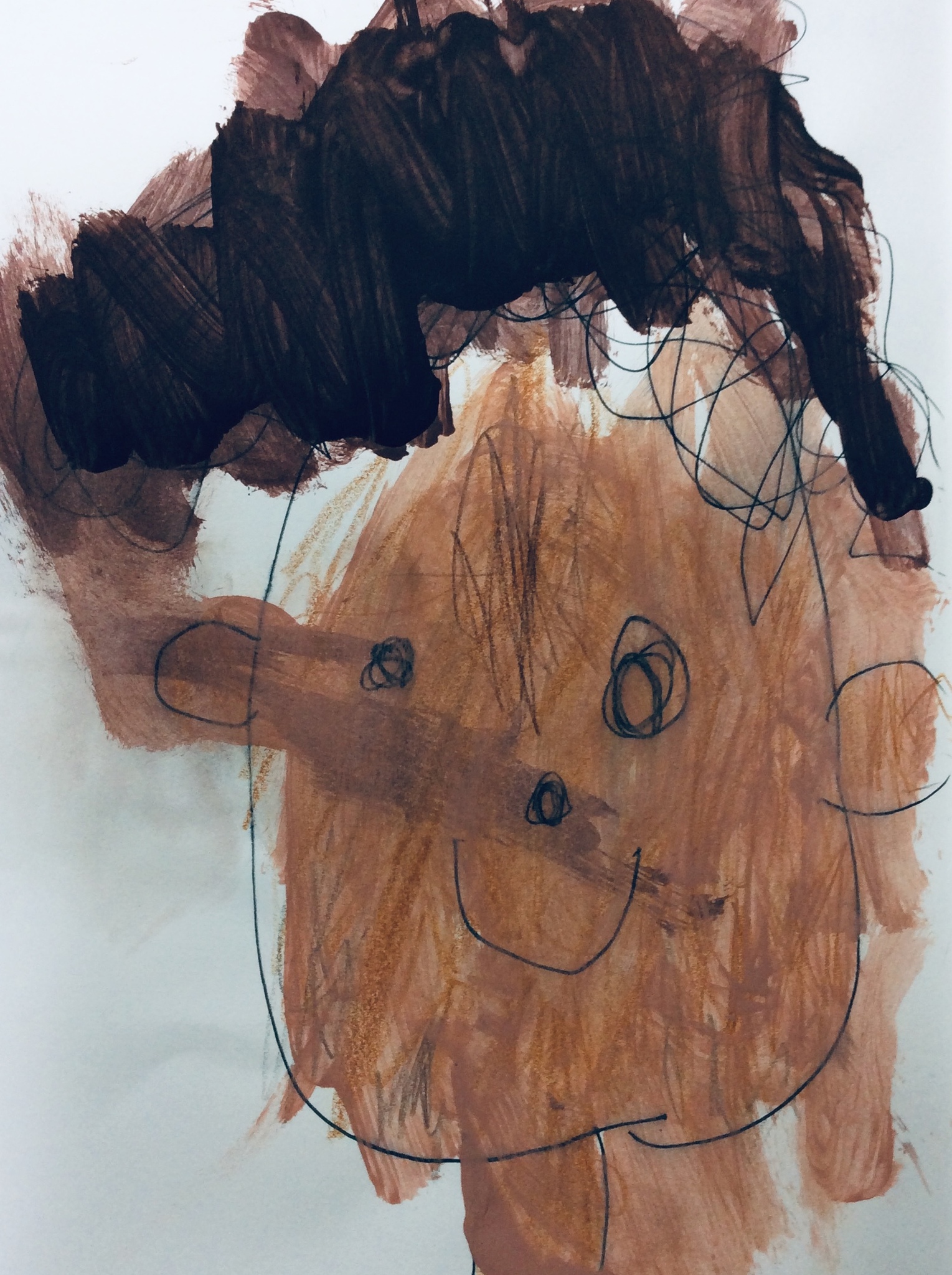
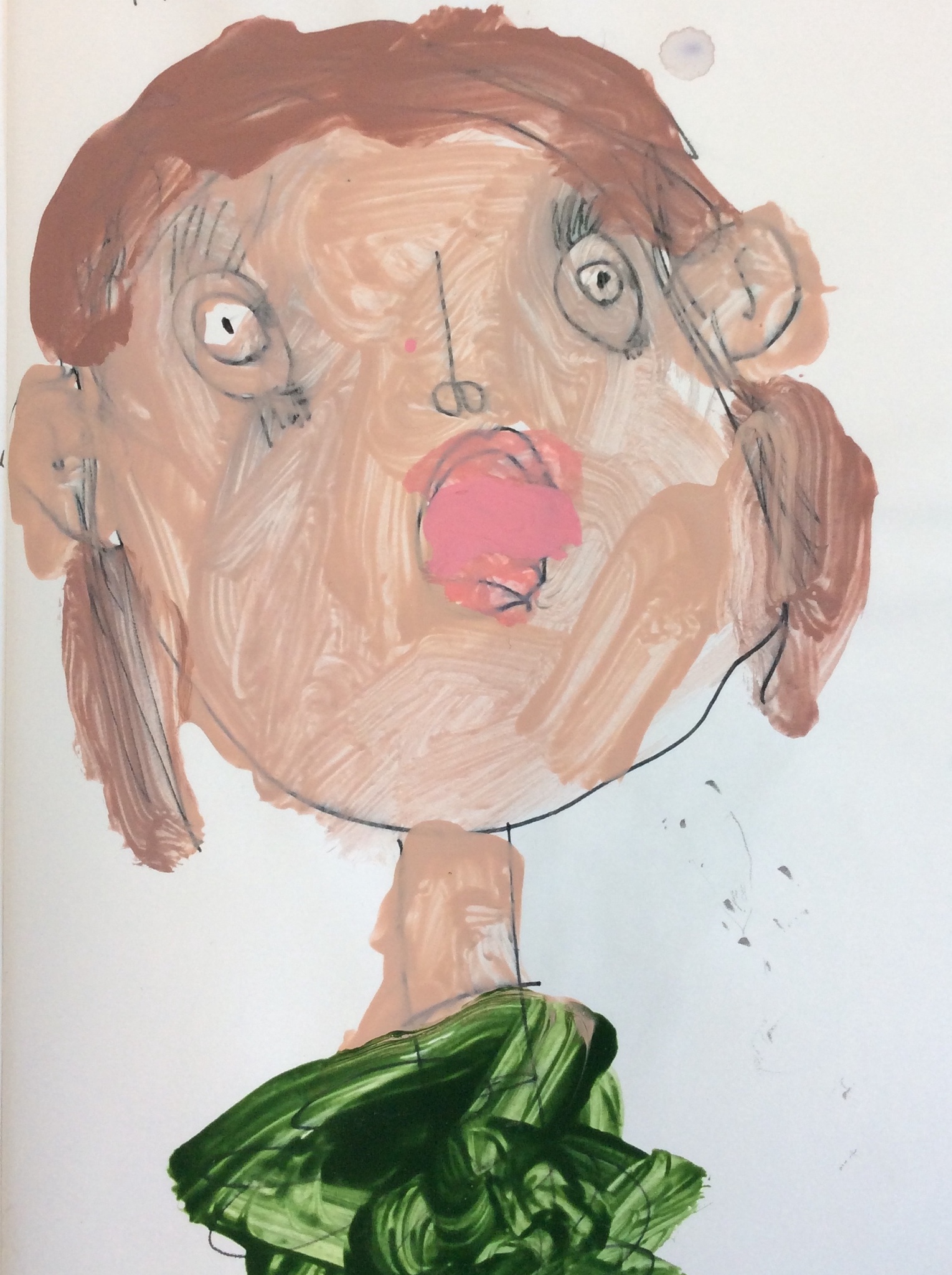
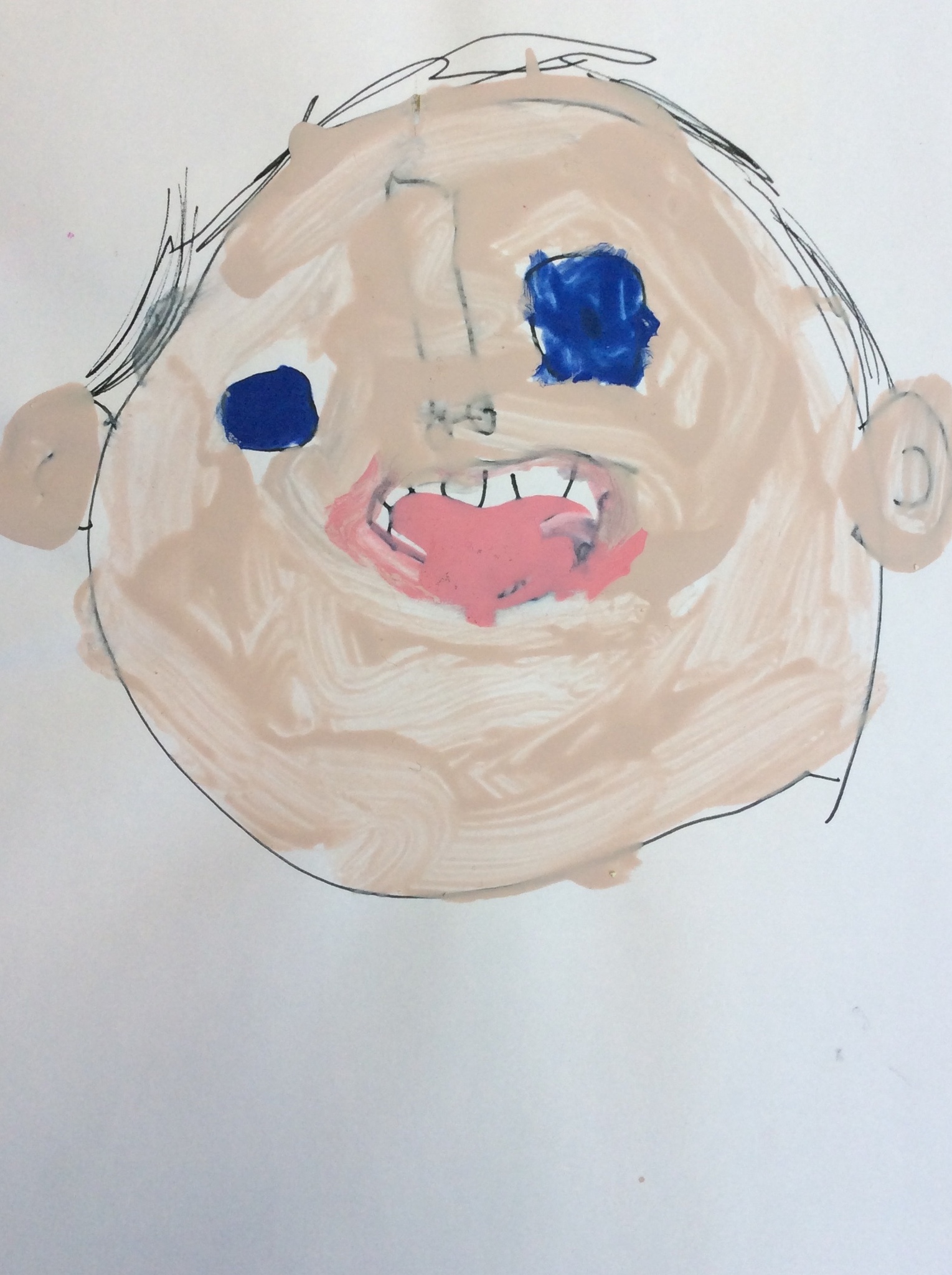
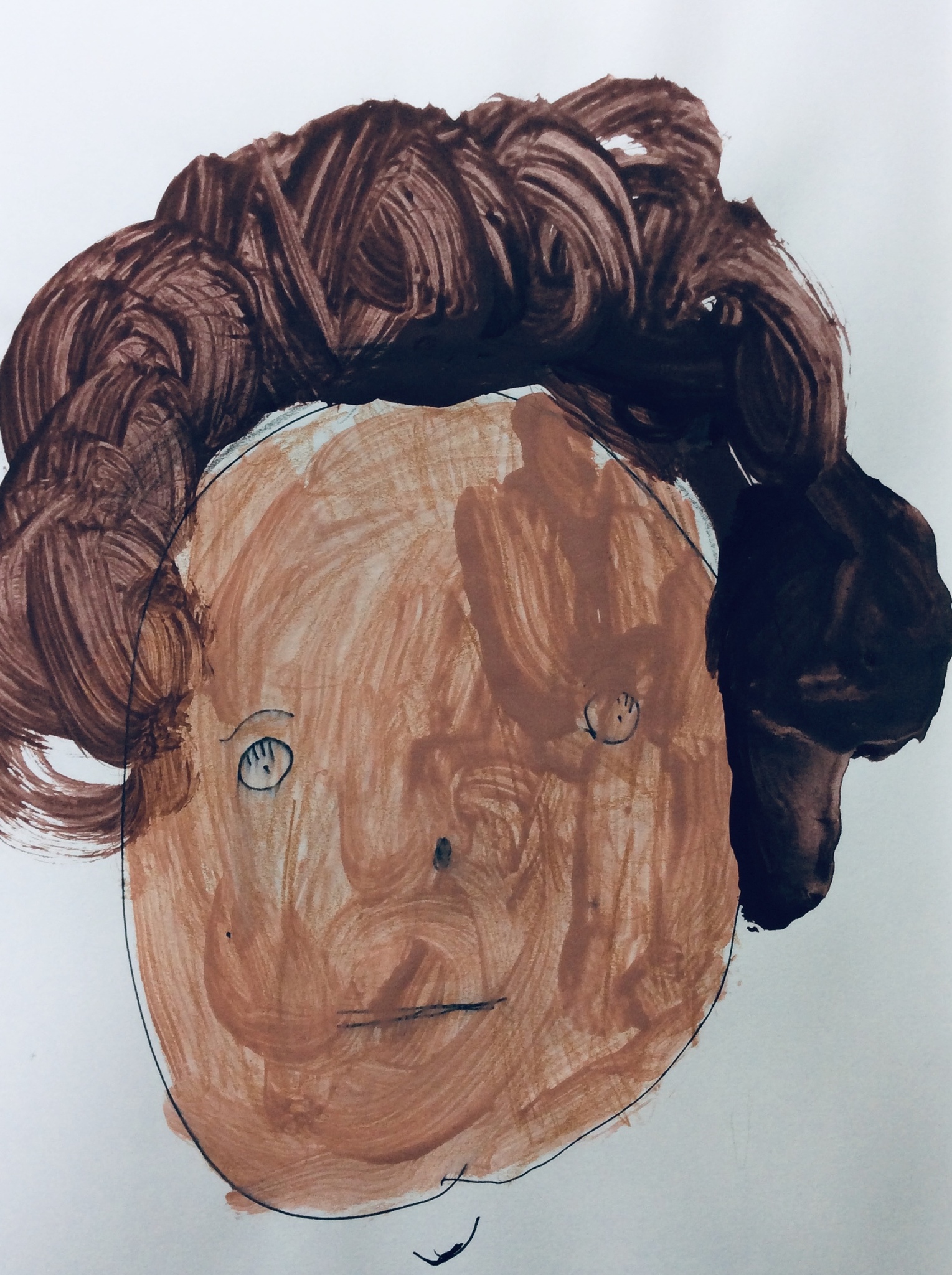
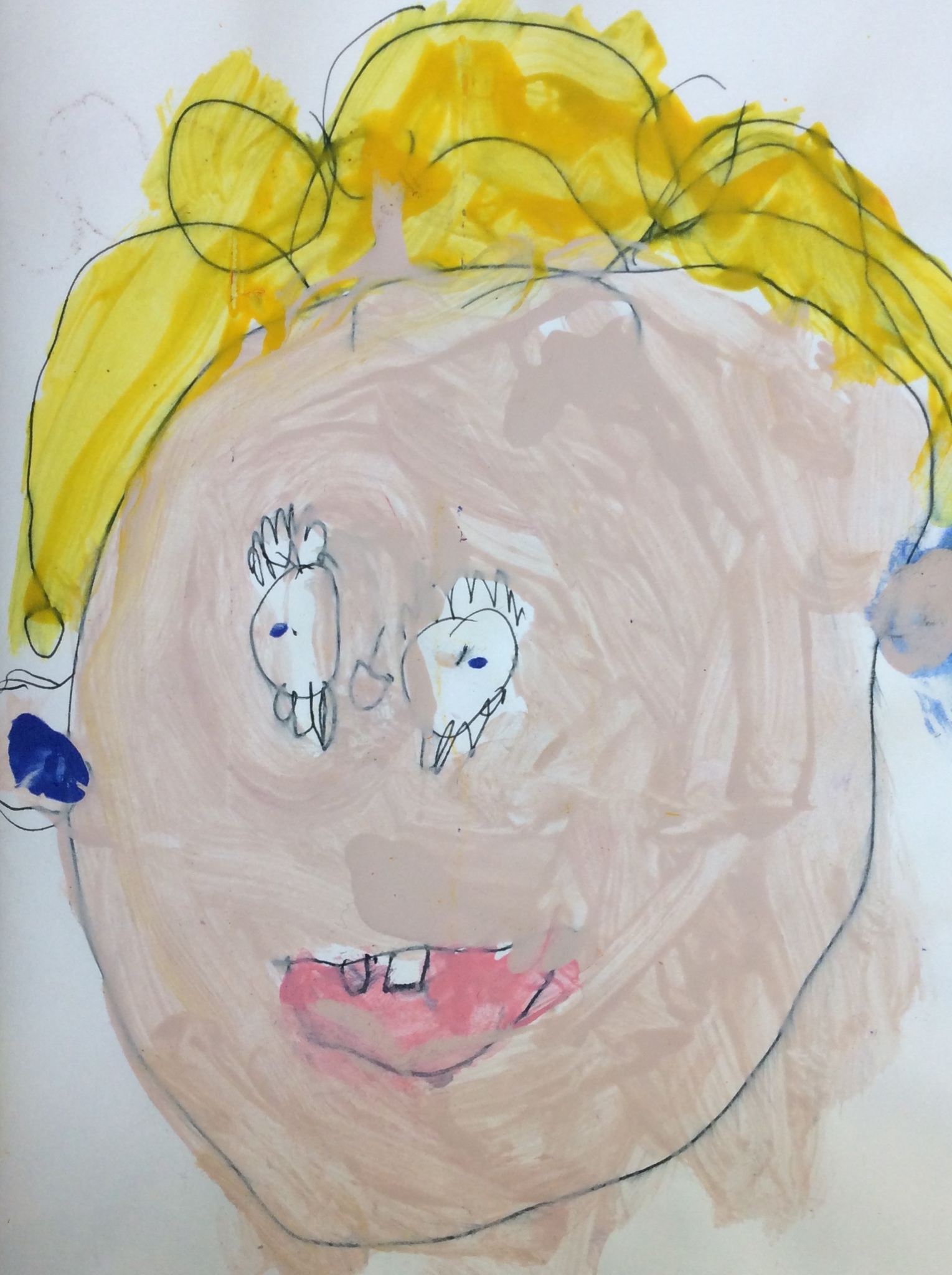
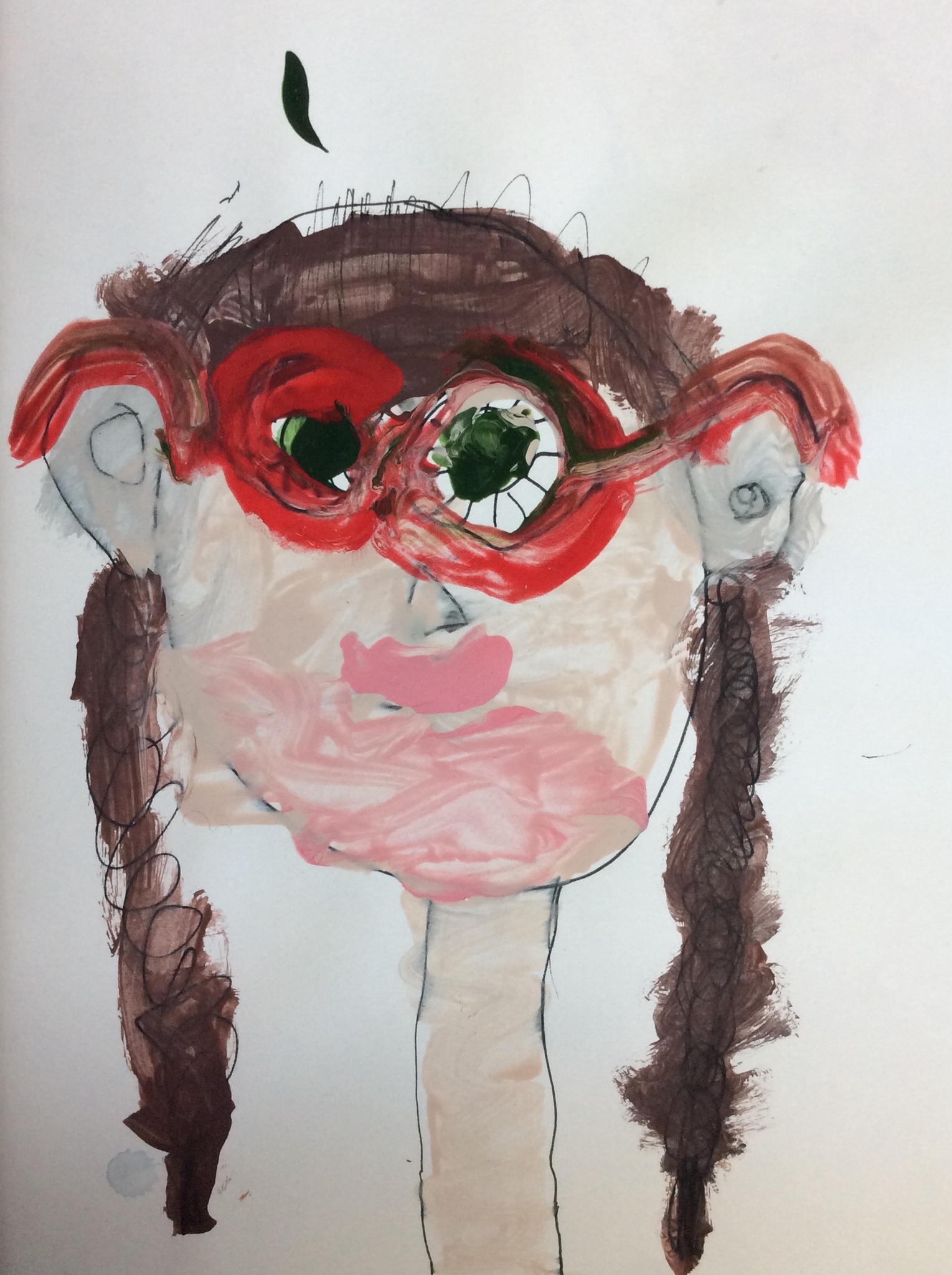
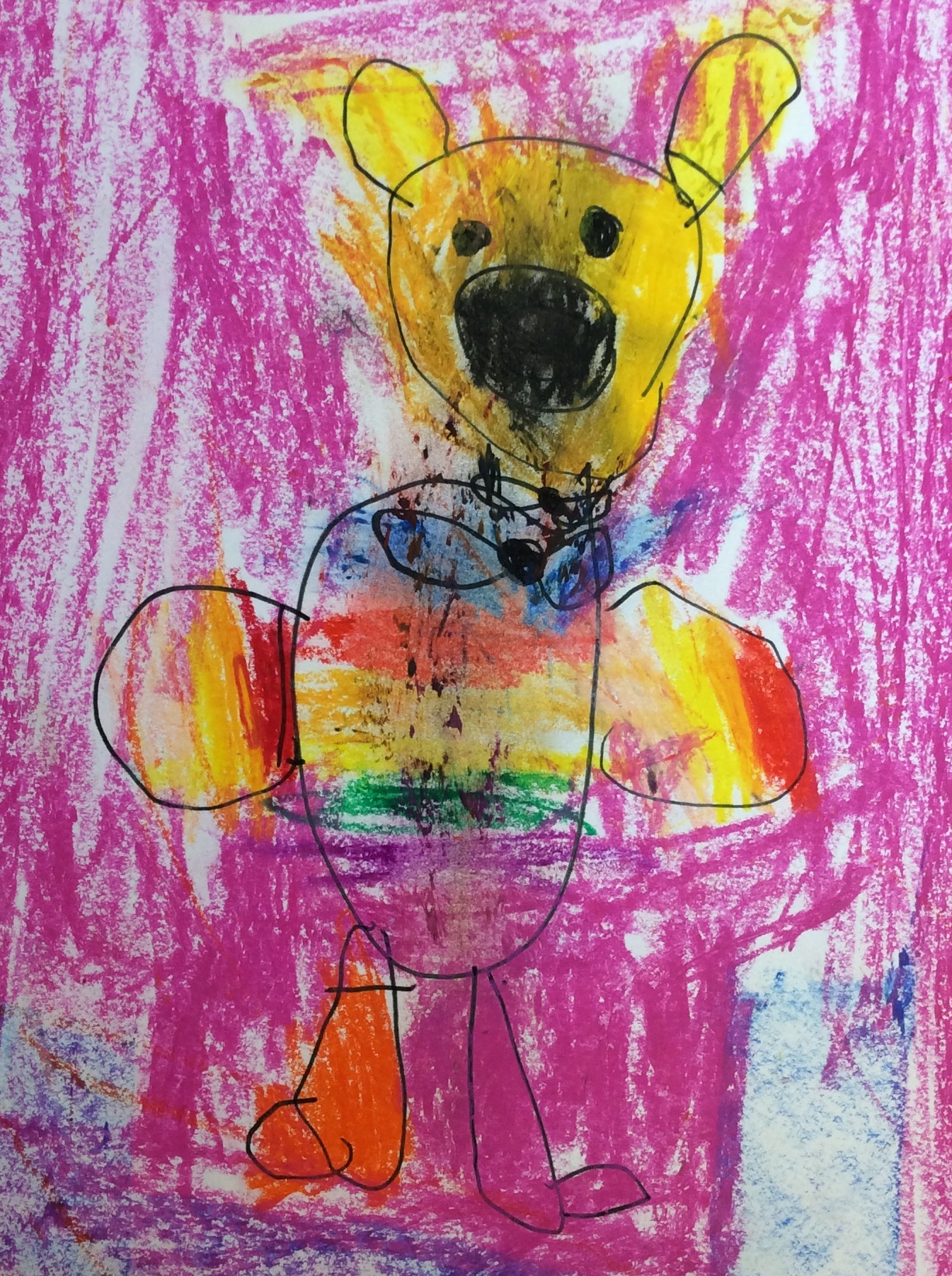
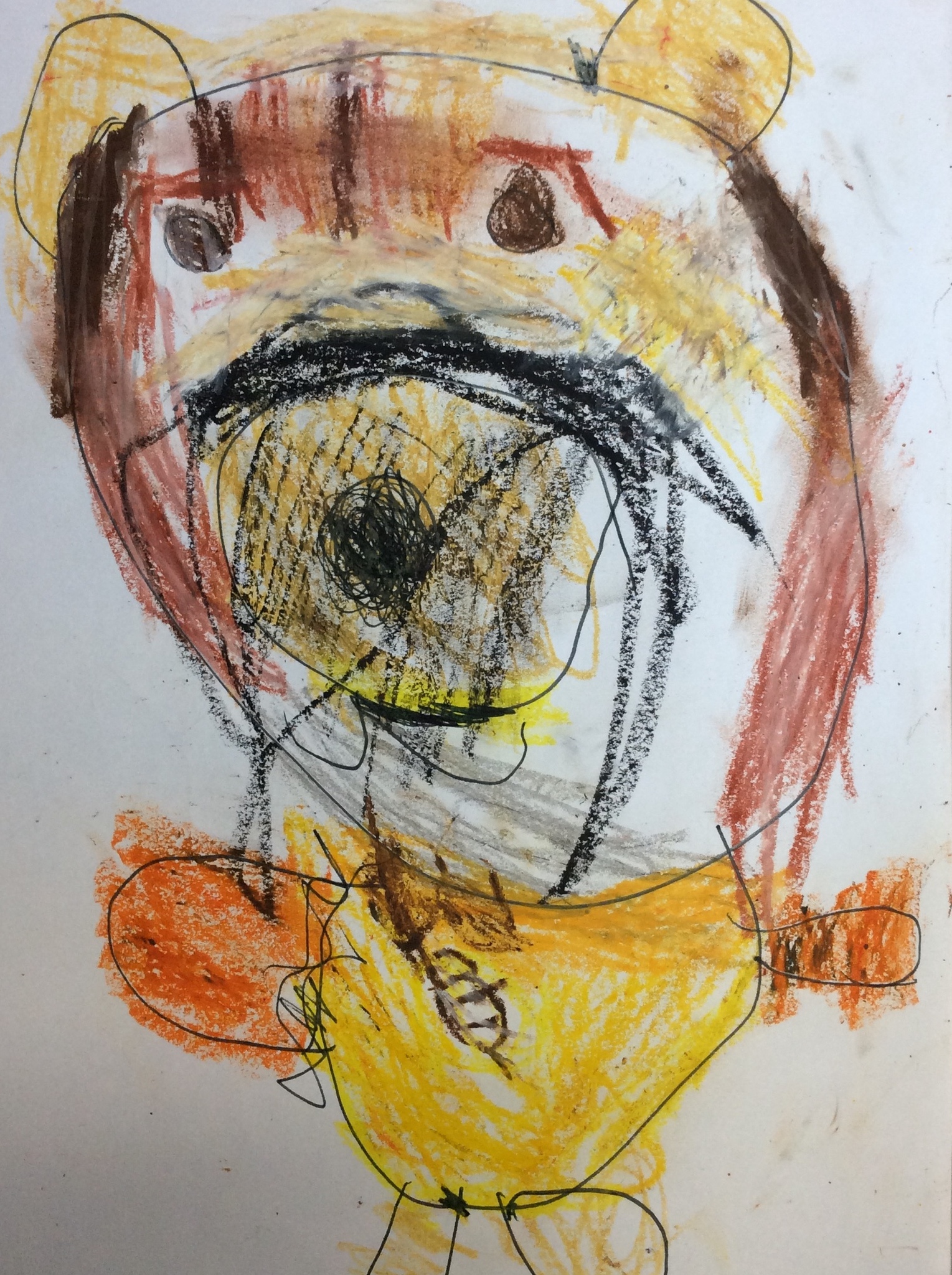
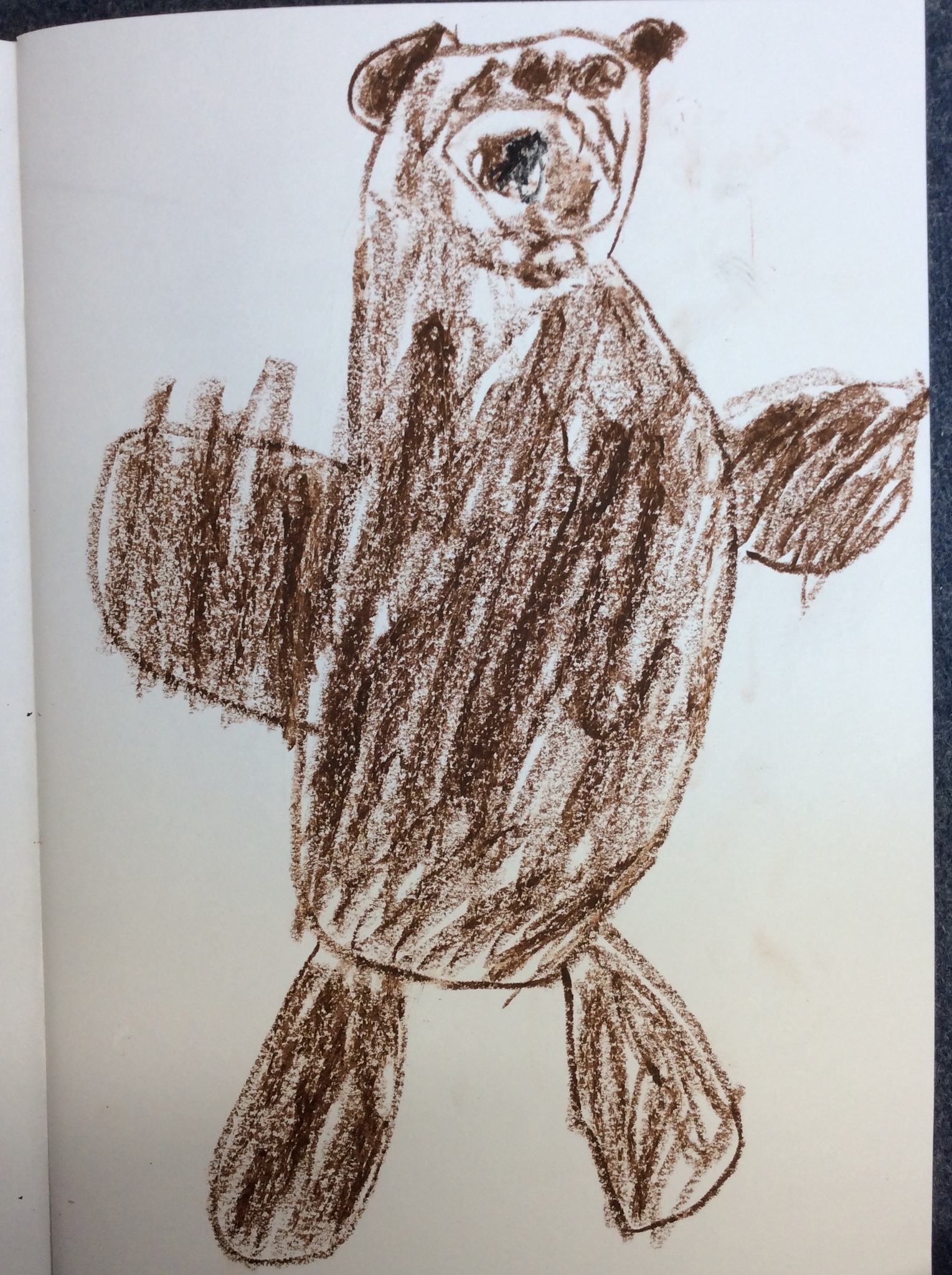
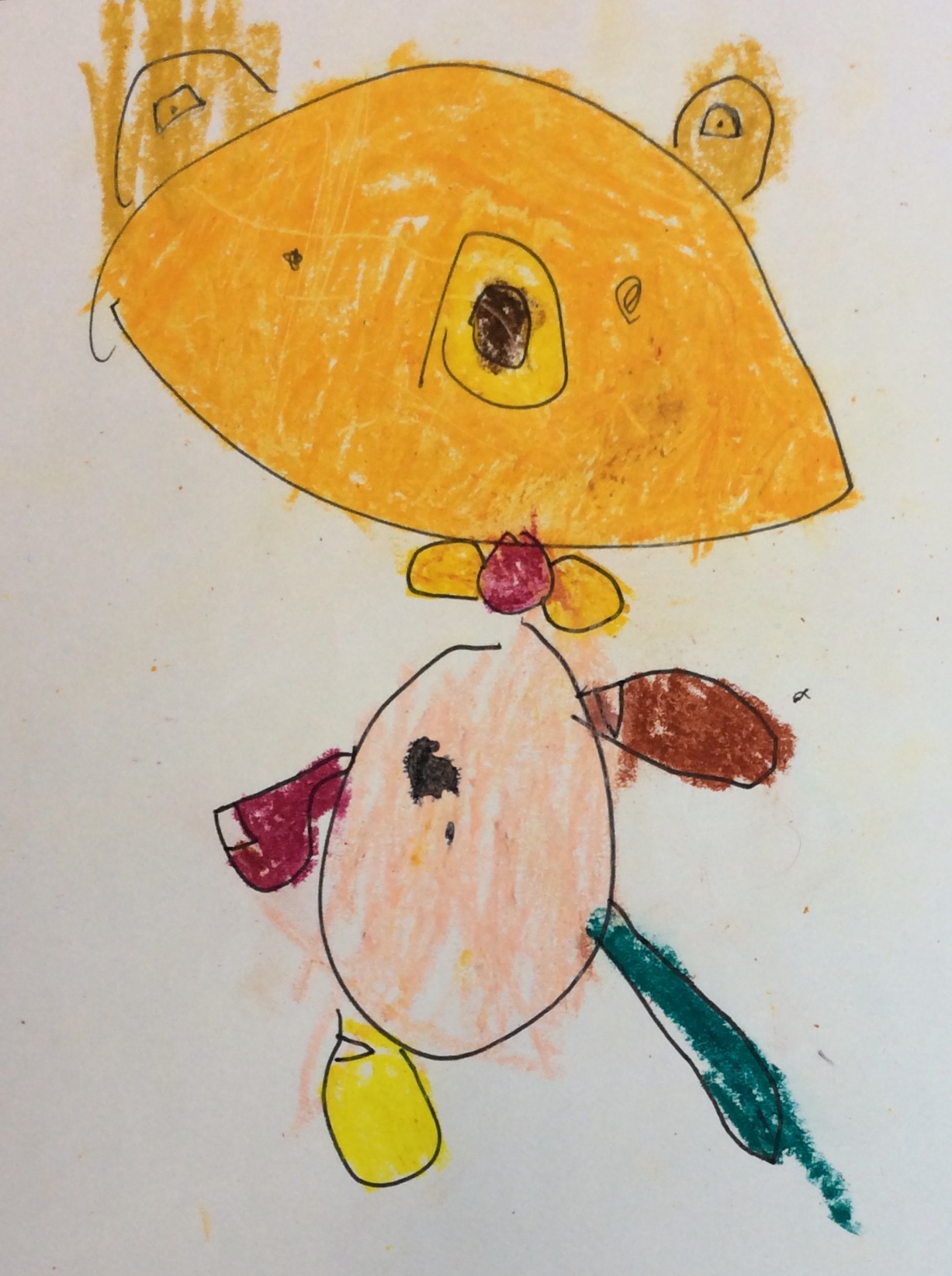
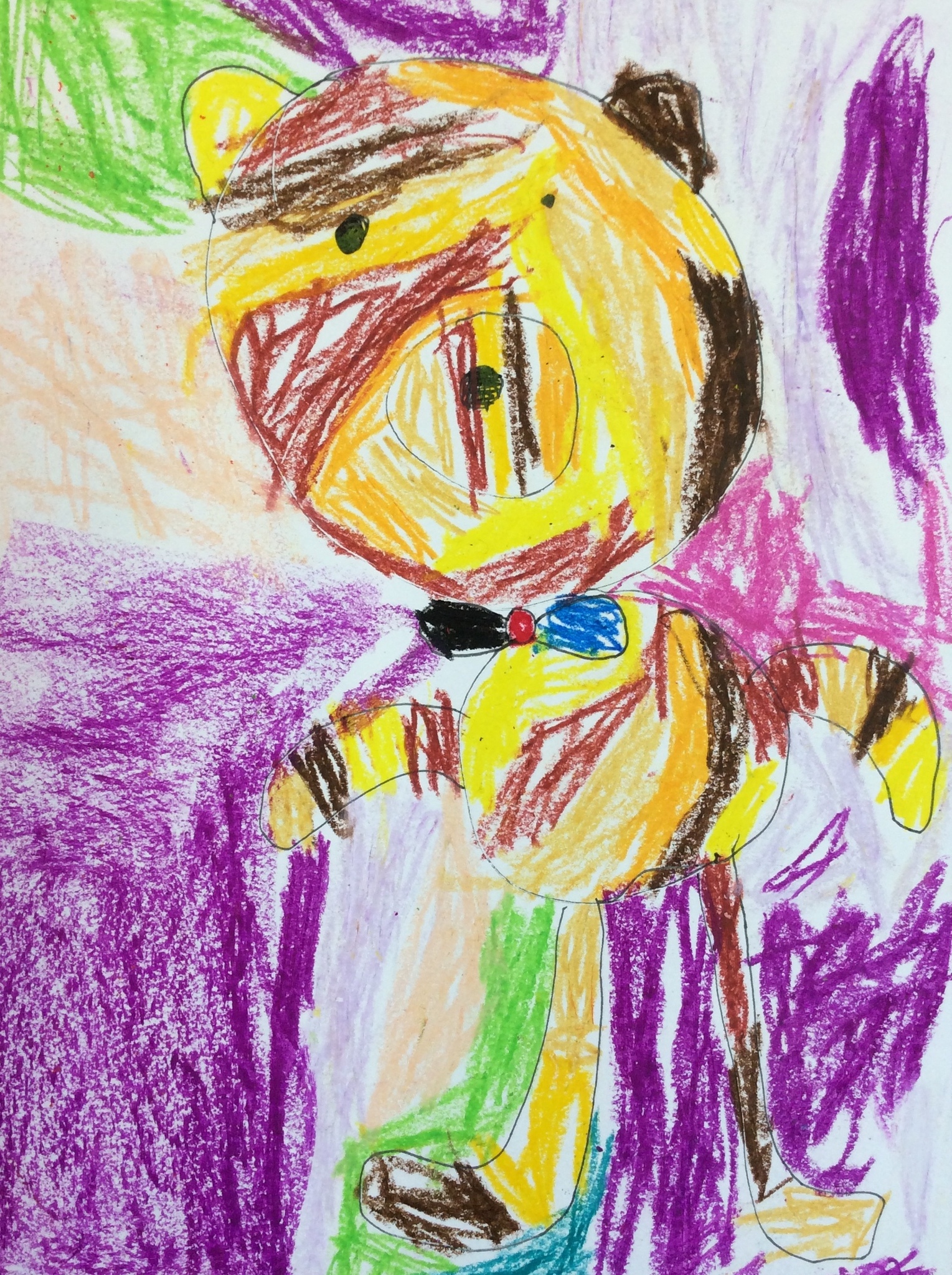
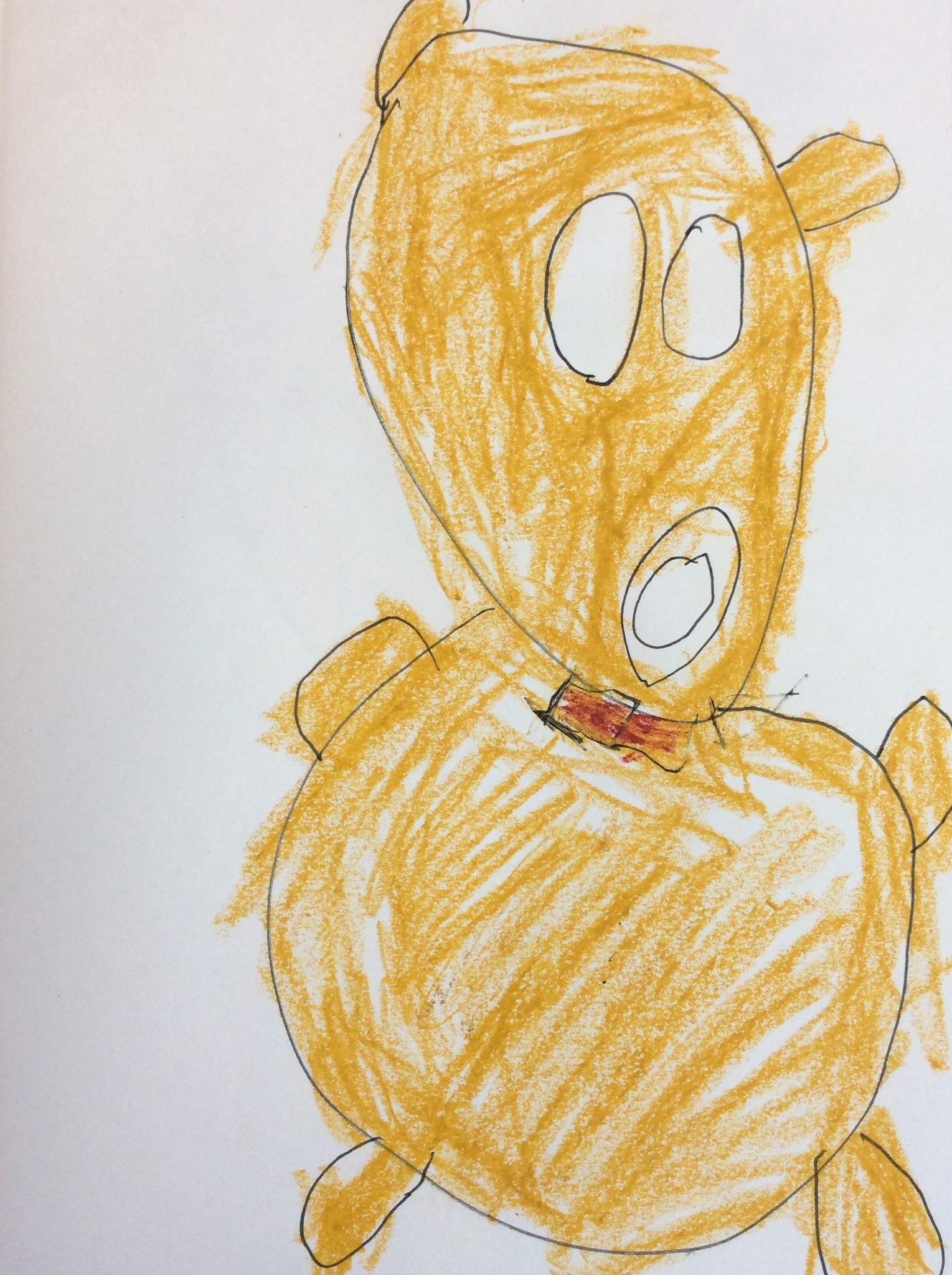
Reception Bear Portraits inspired by Grayson Perry's "Old Bear"
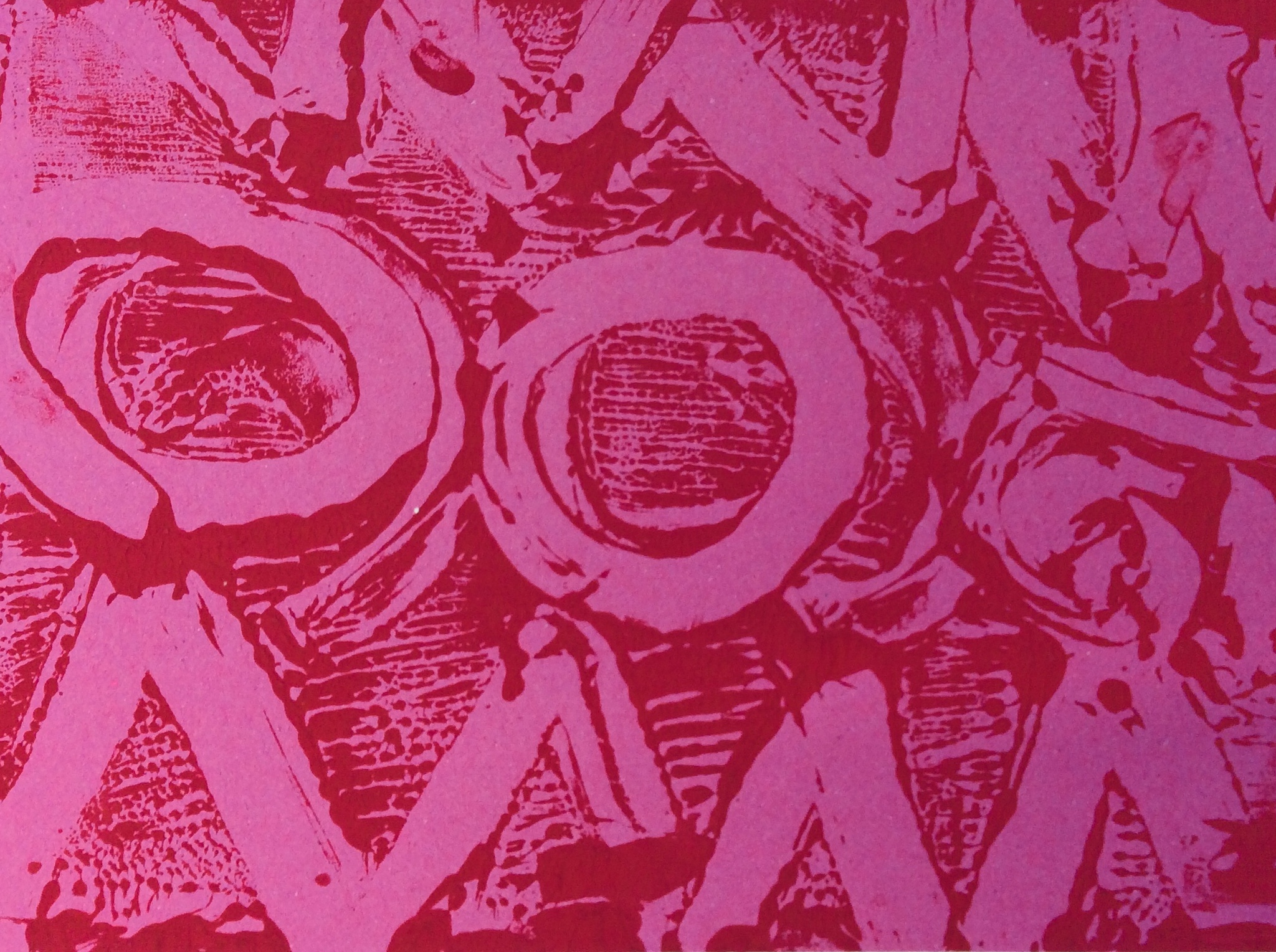
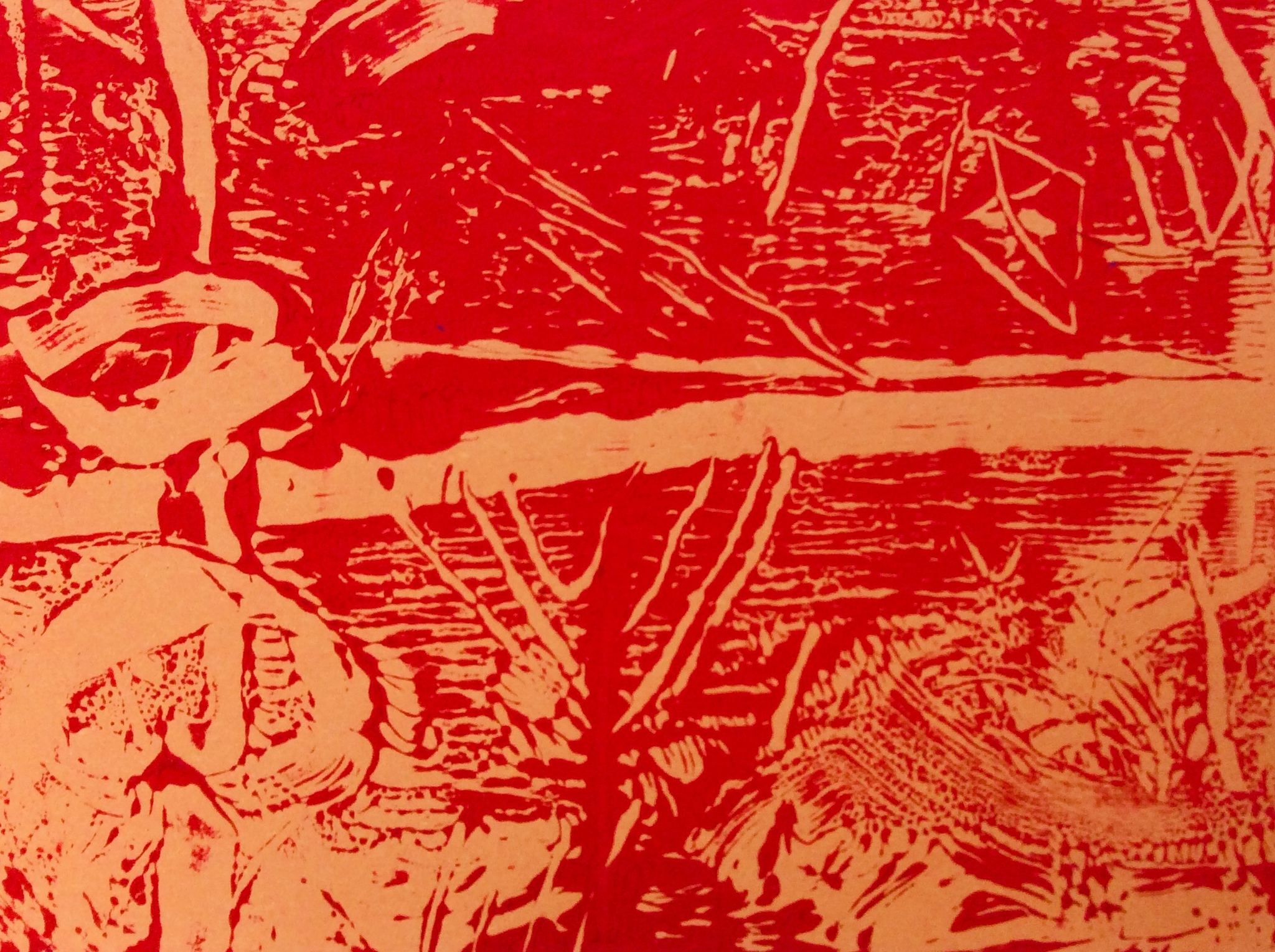
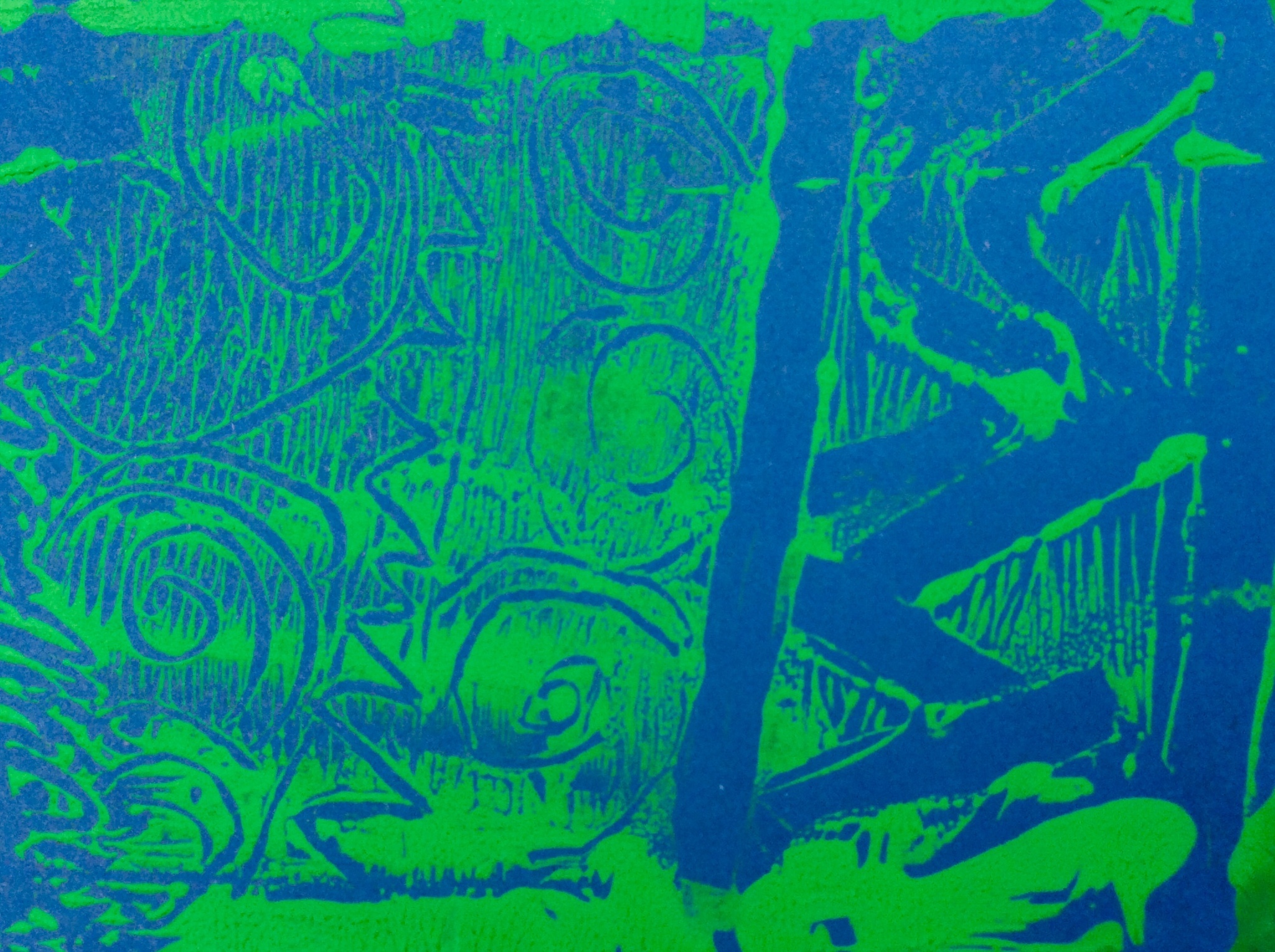
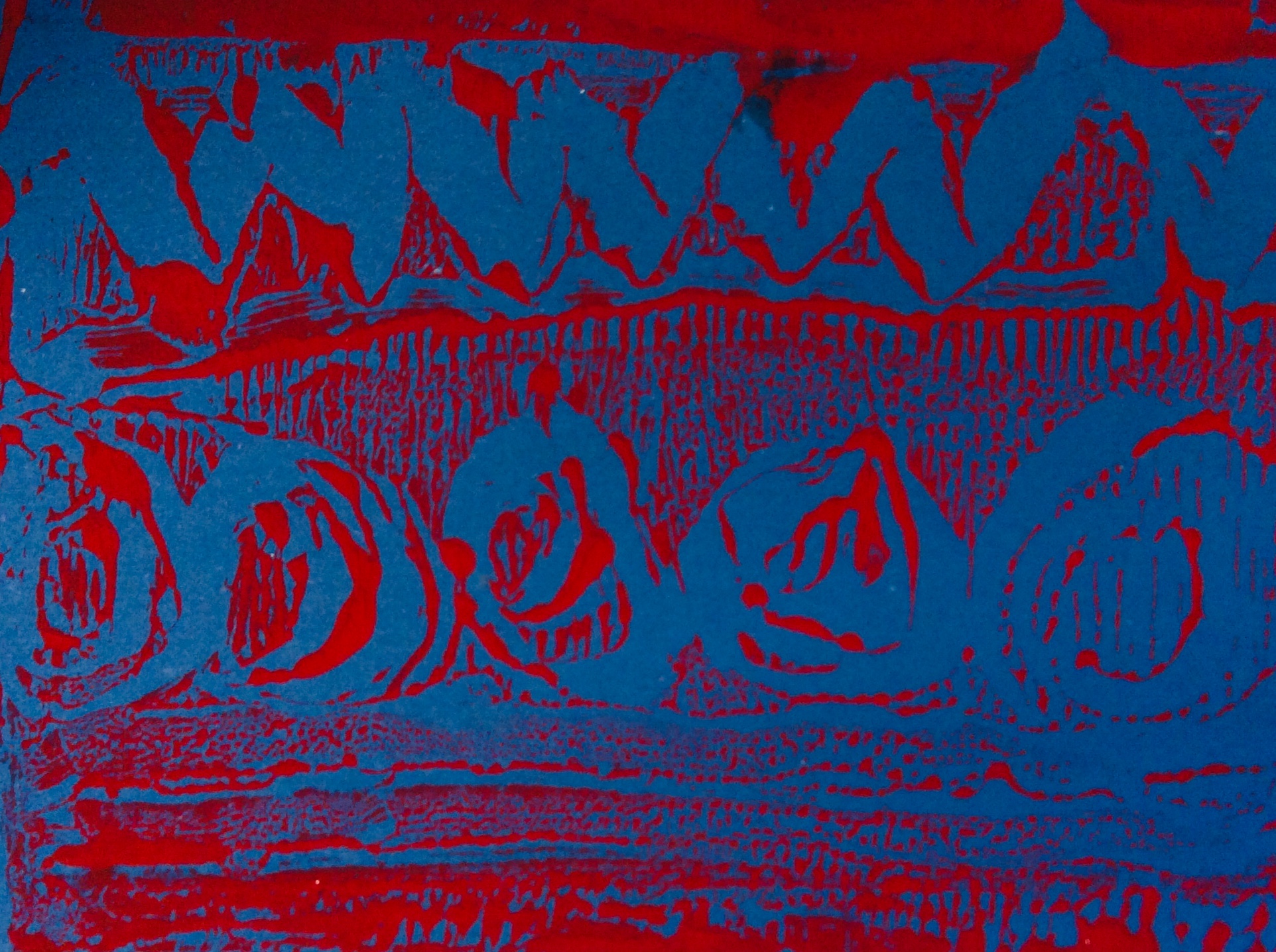
Year 1 Monoprinting inspired by African Textiles
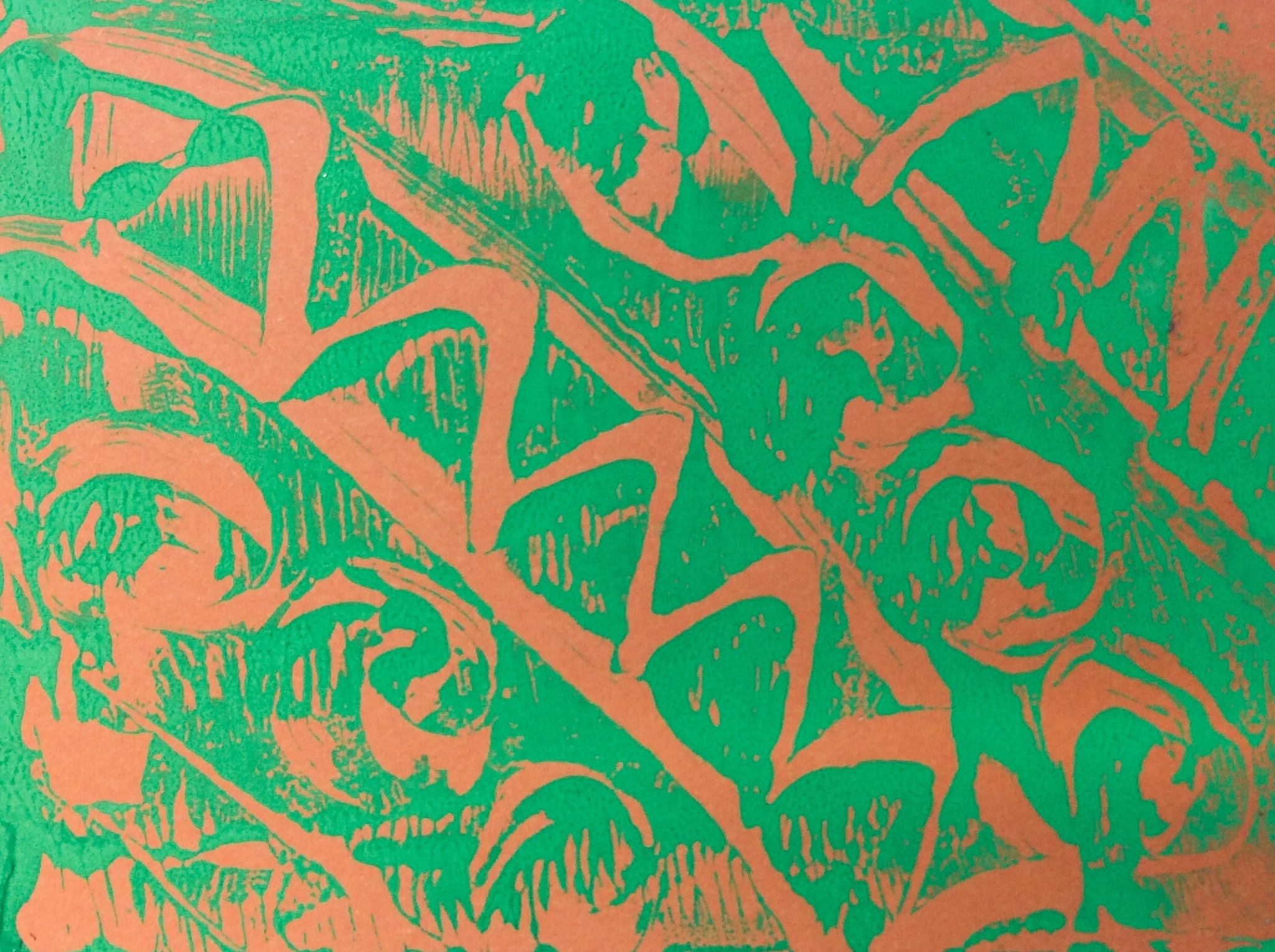
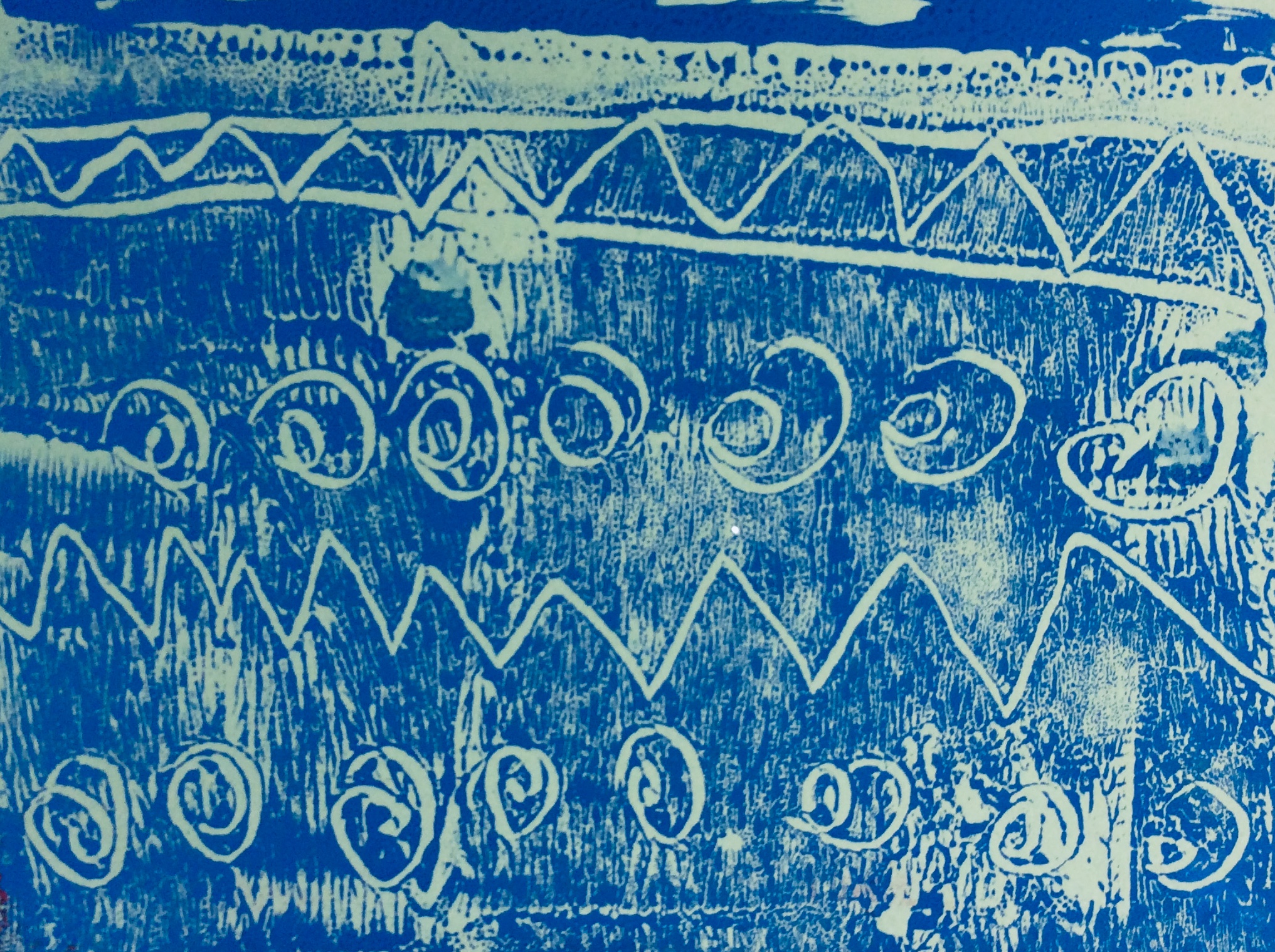
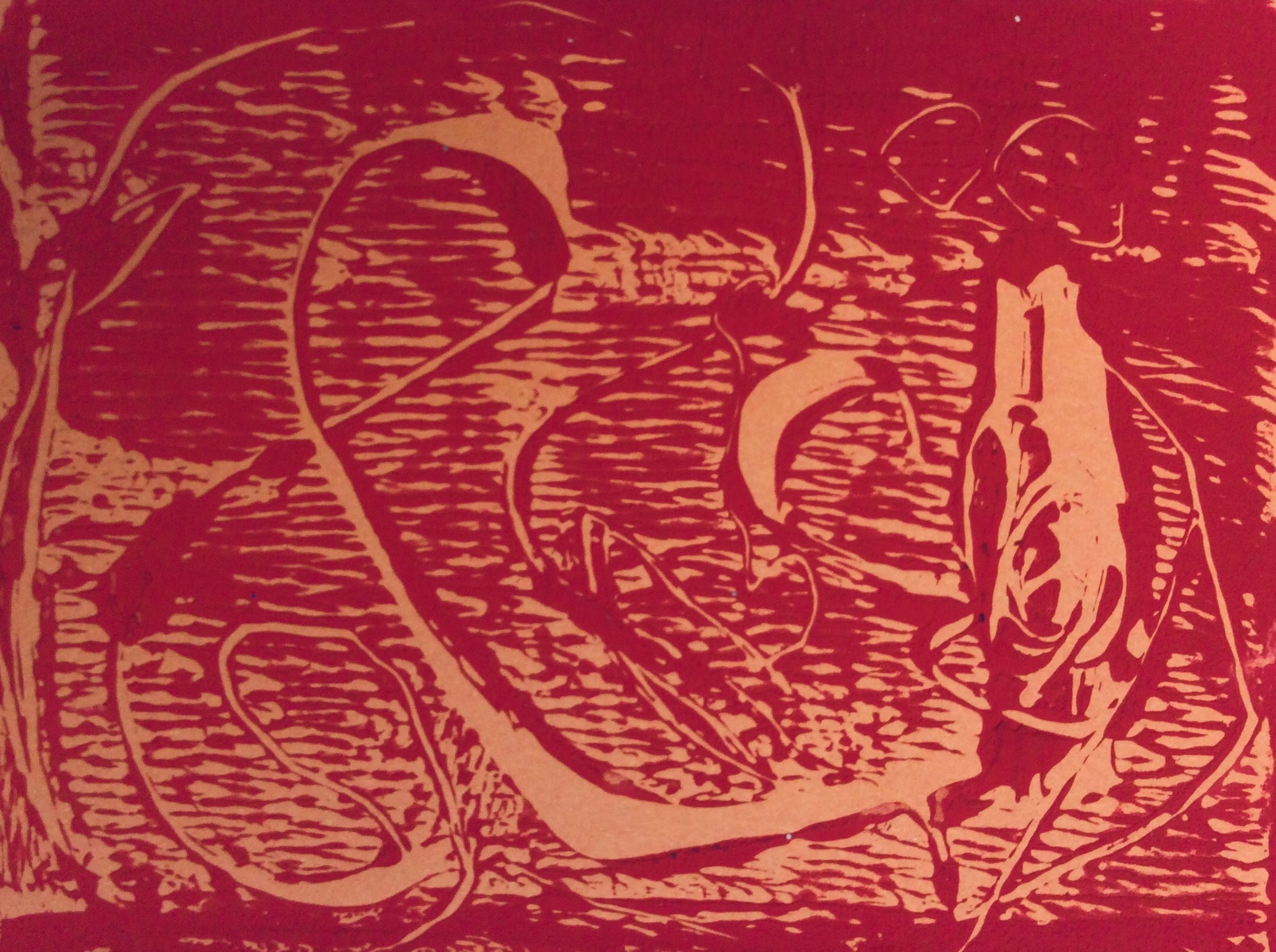
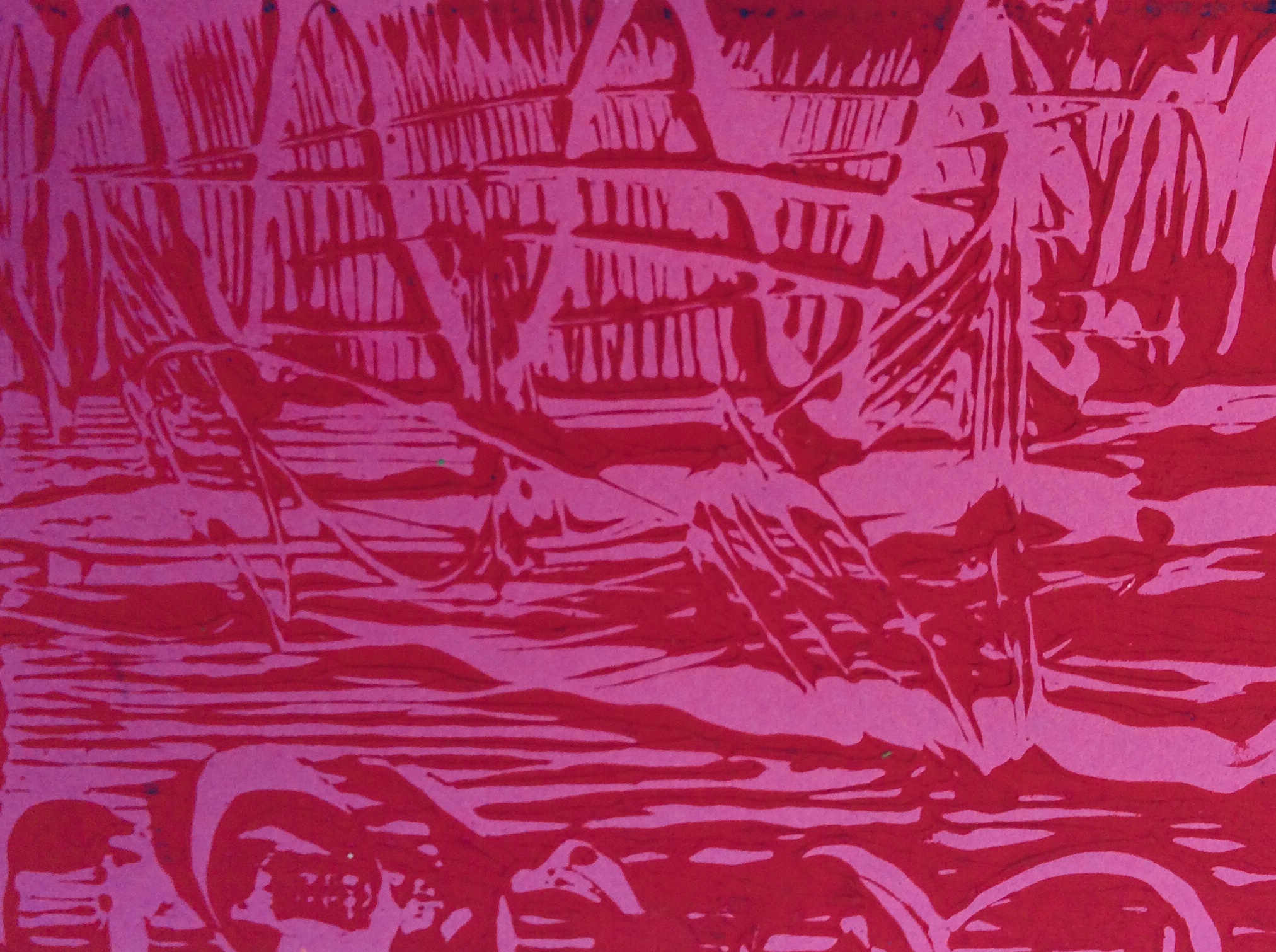
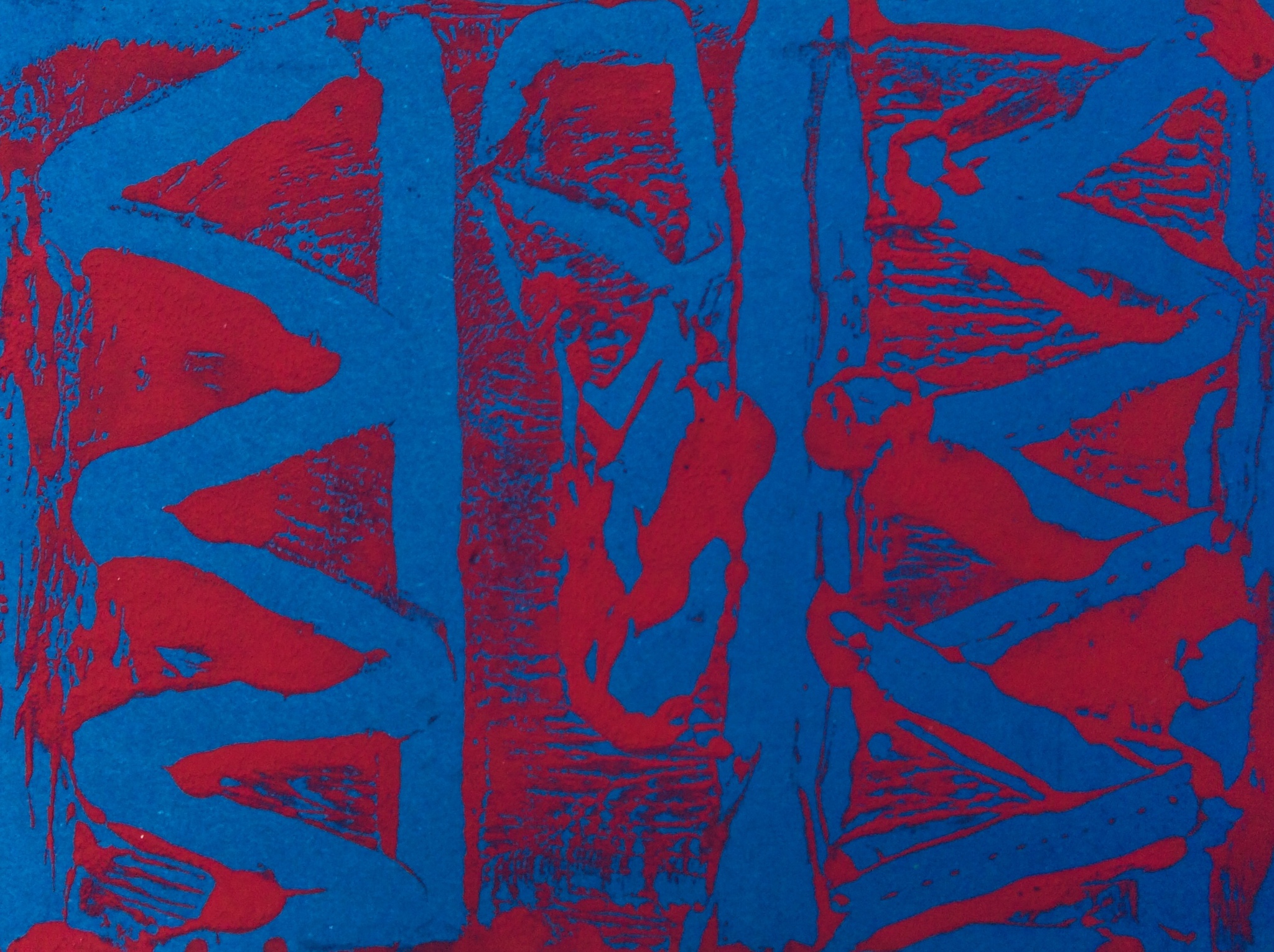
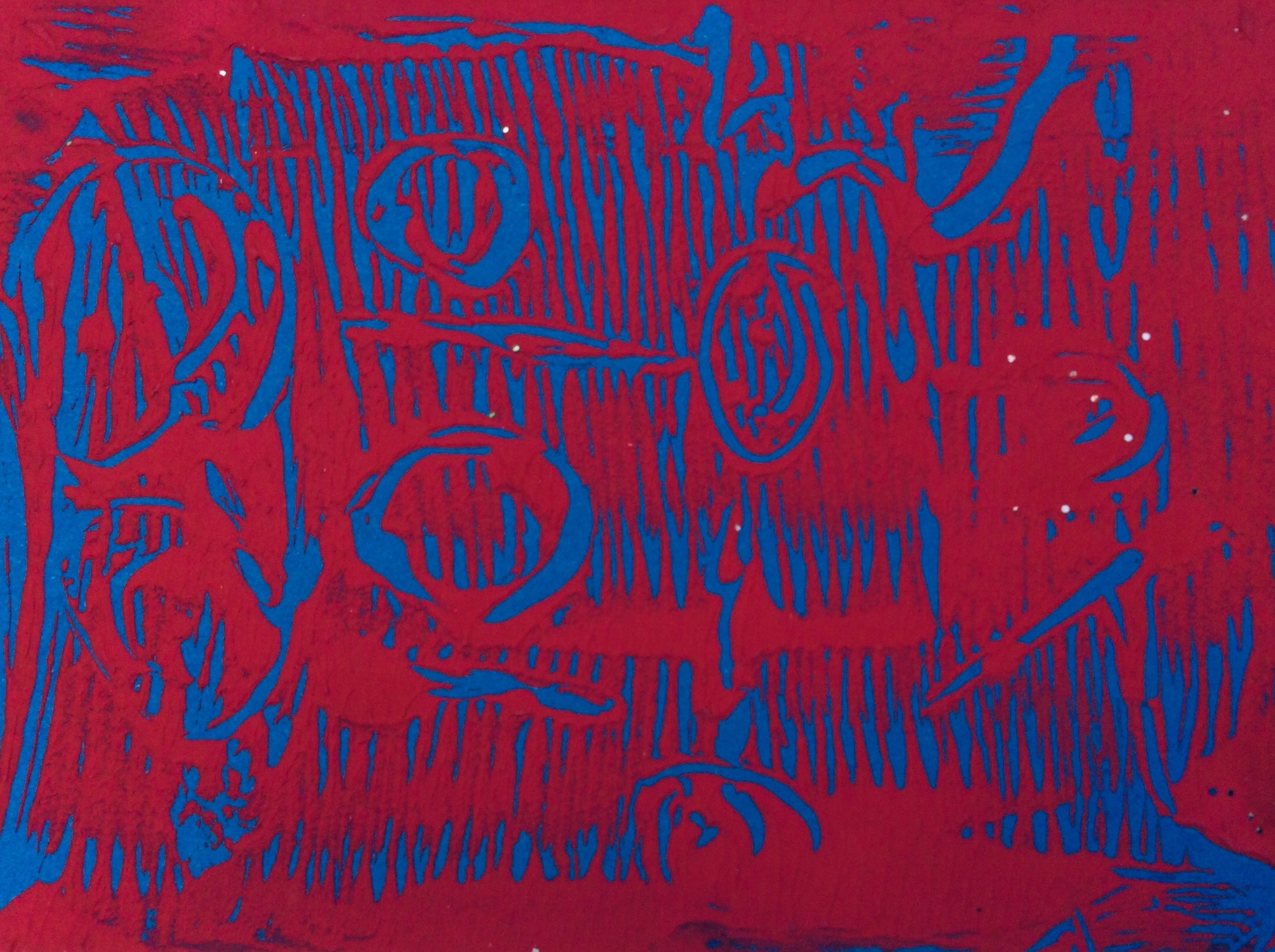
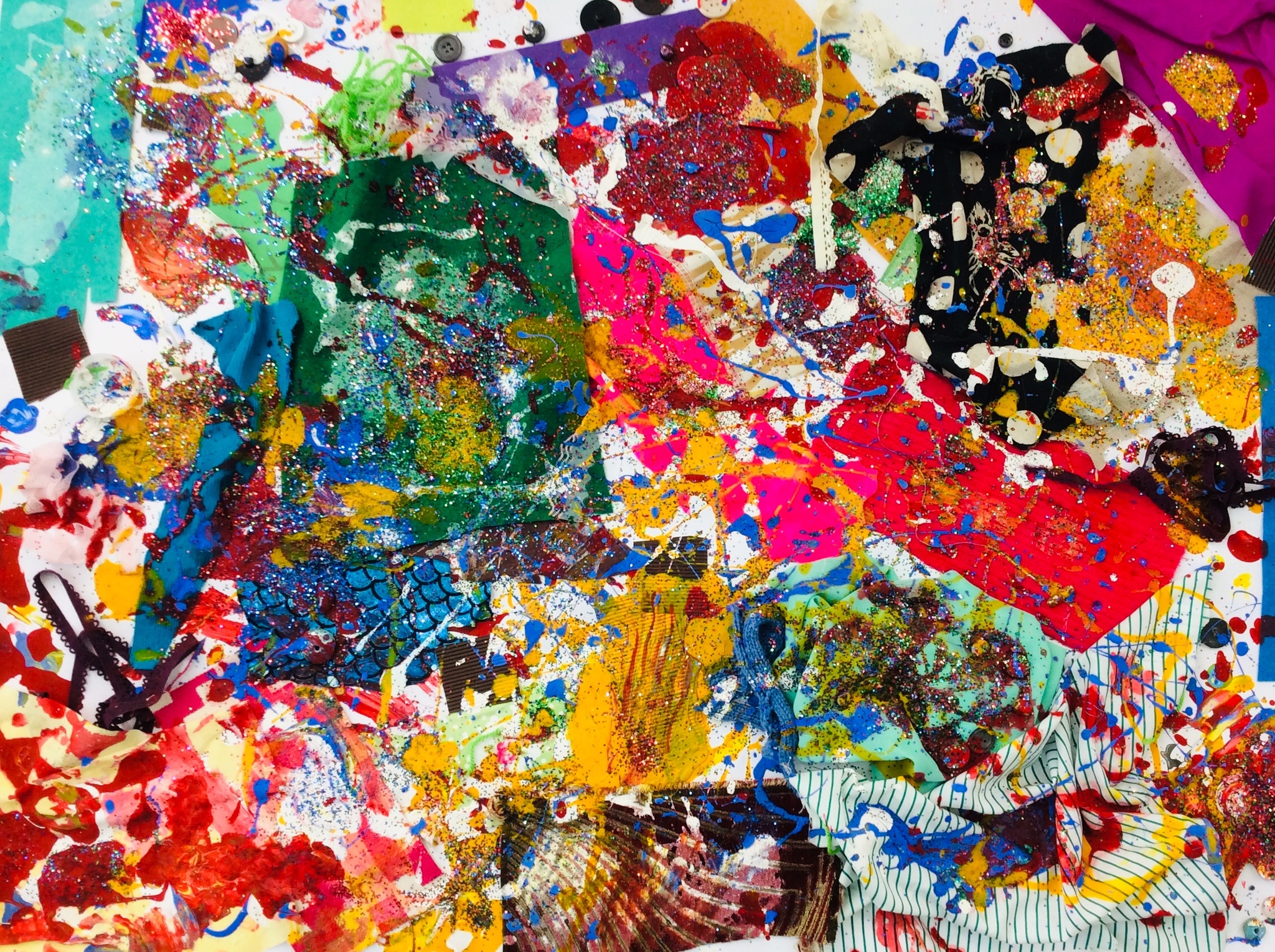
Year 1 Multimedia Artwork Inspired by Frank Bowling
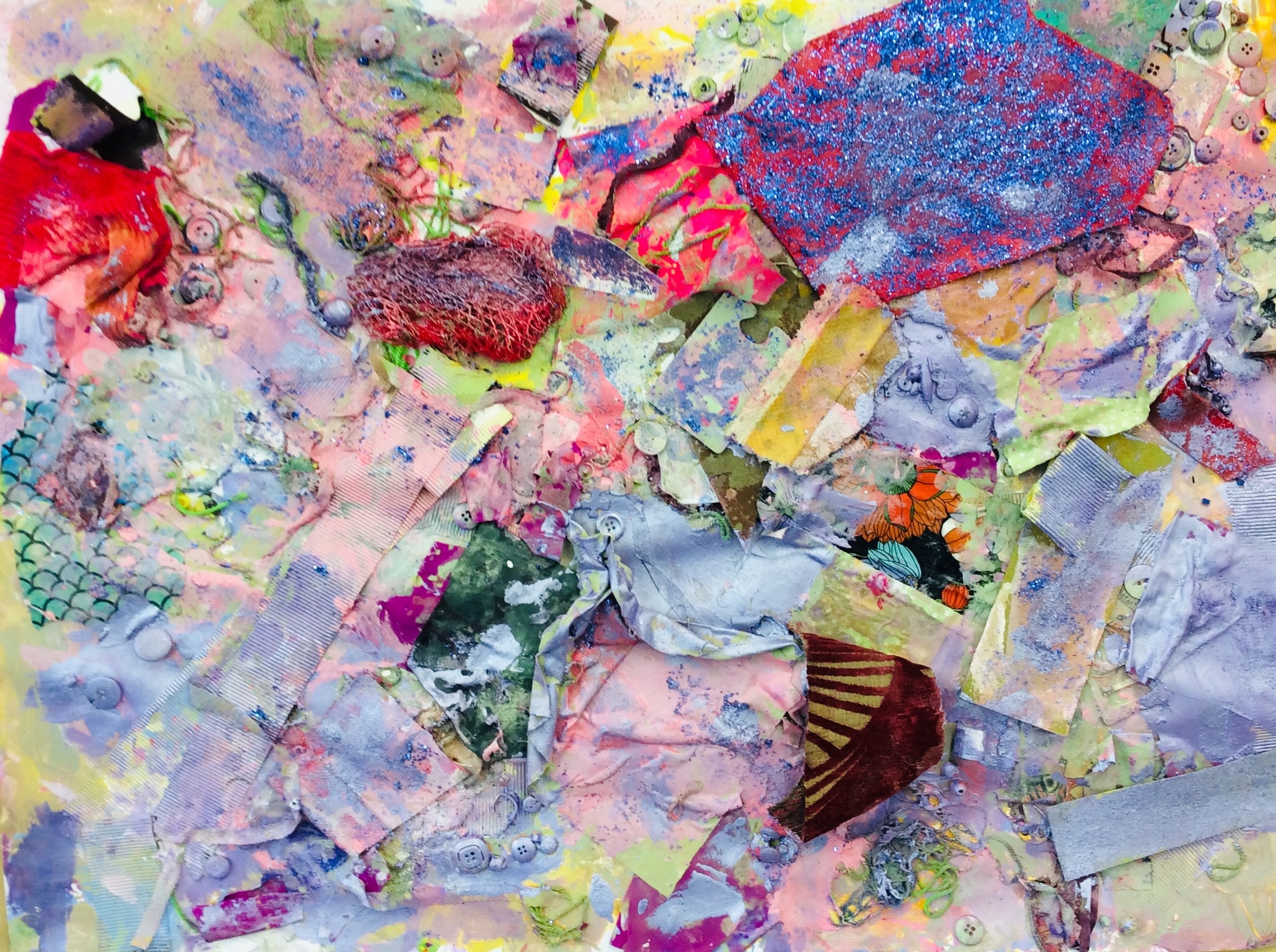
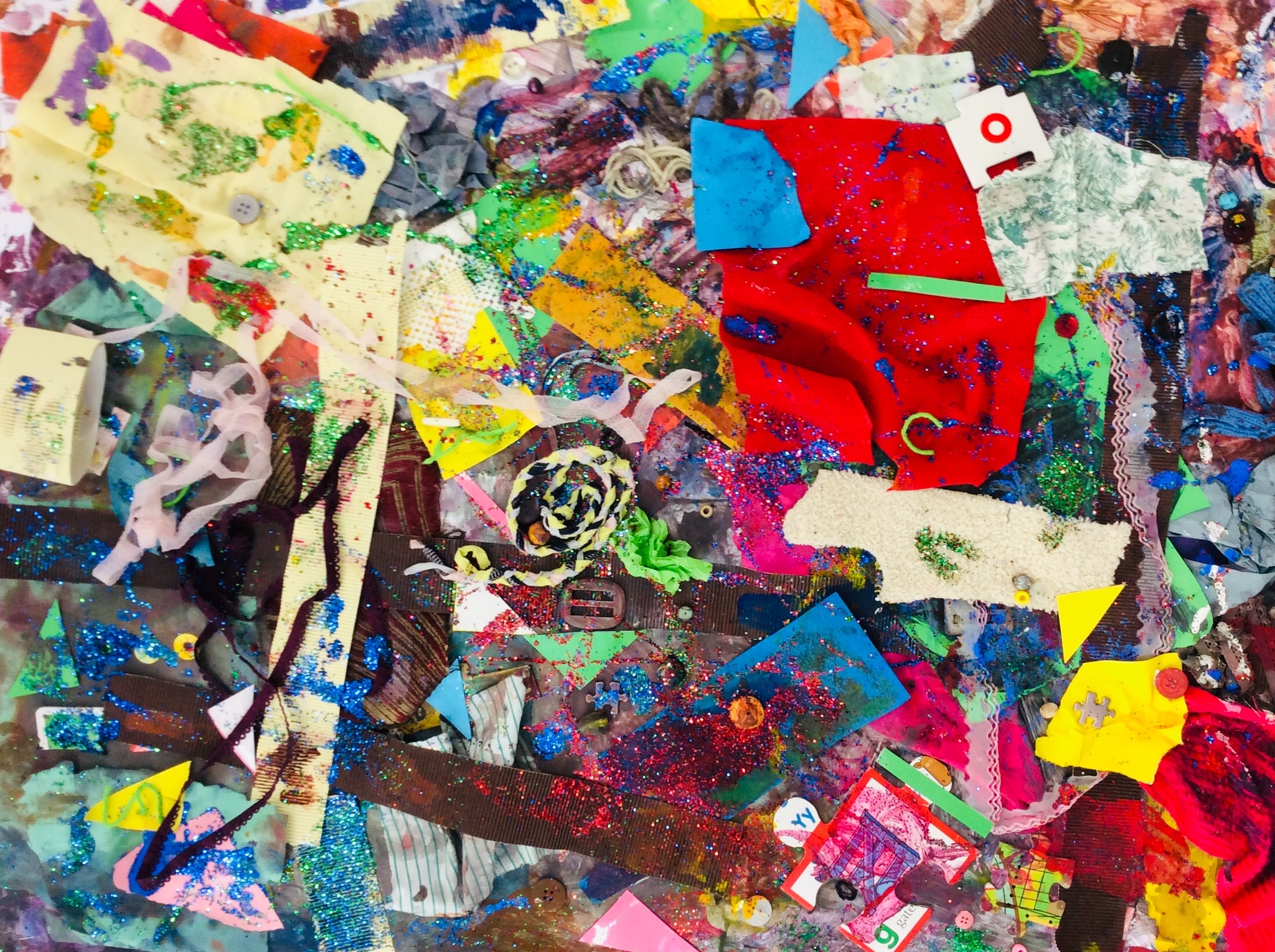
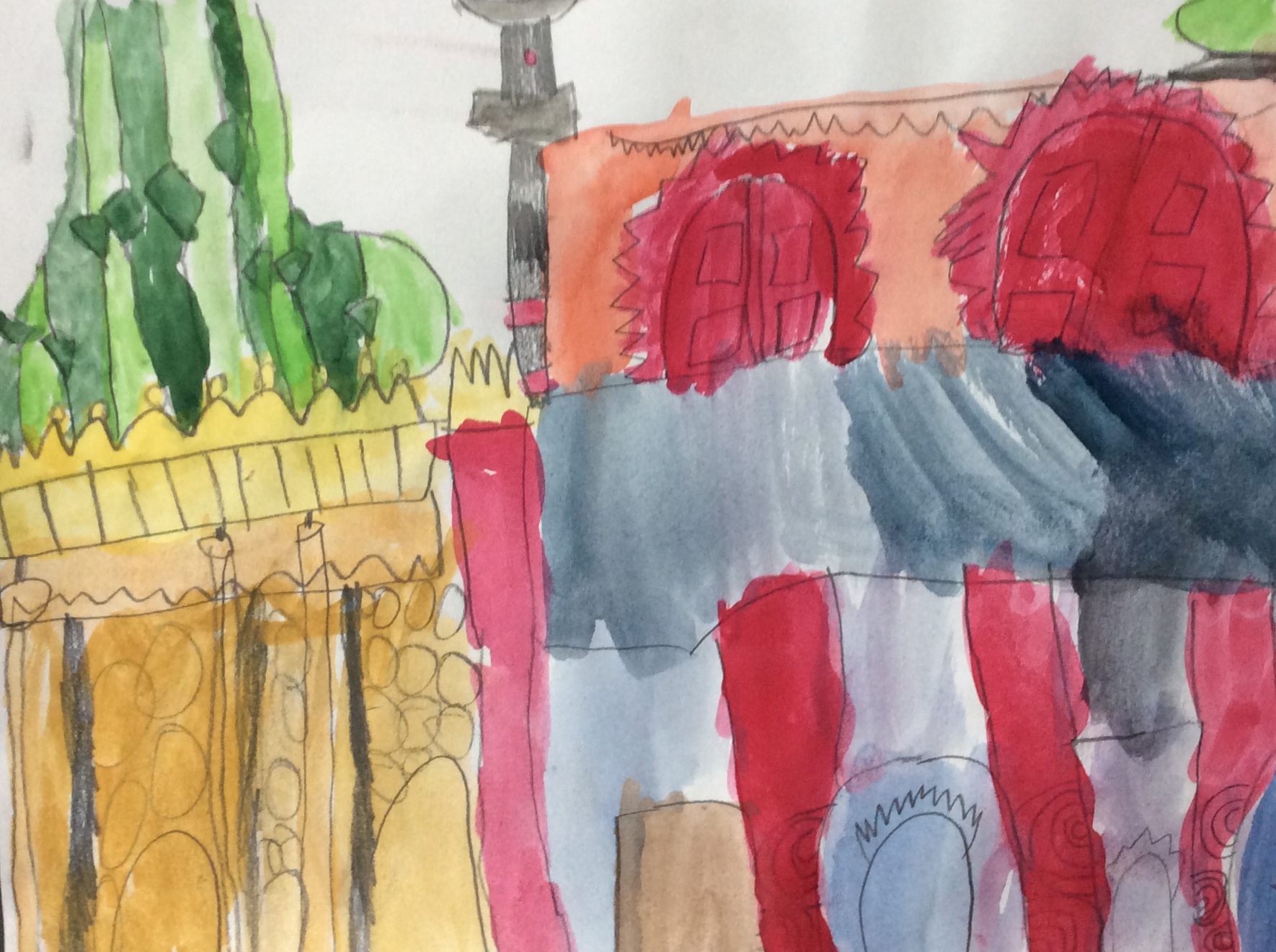
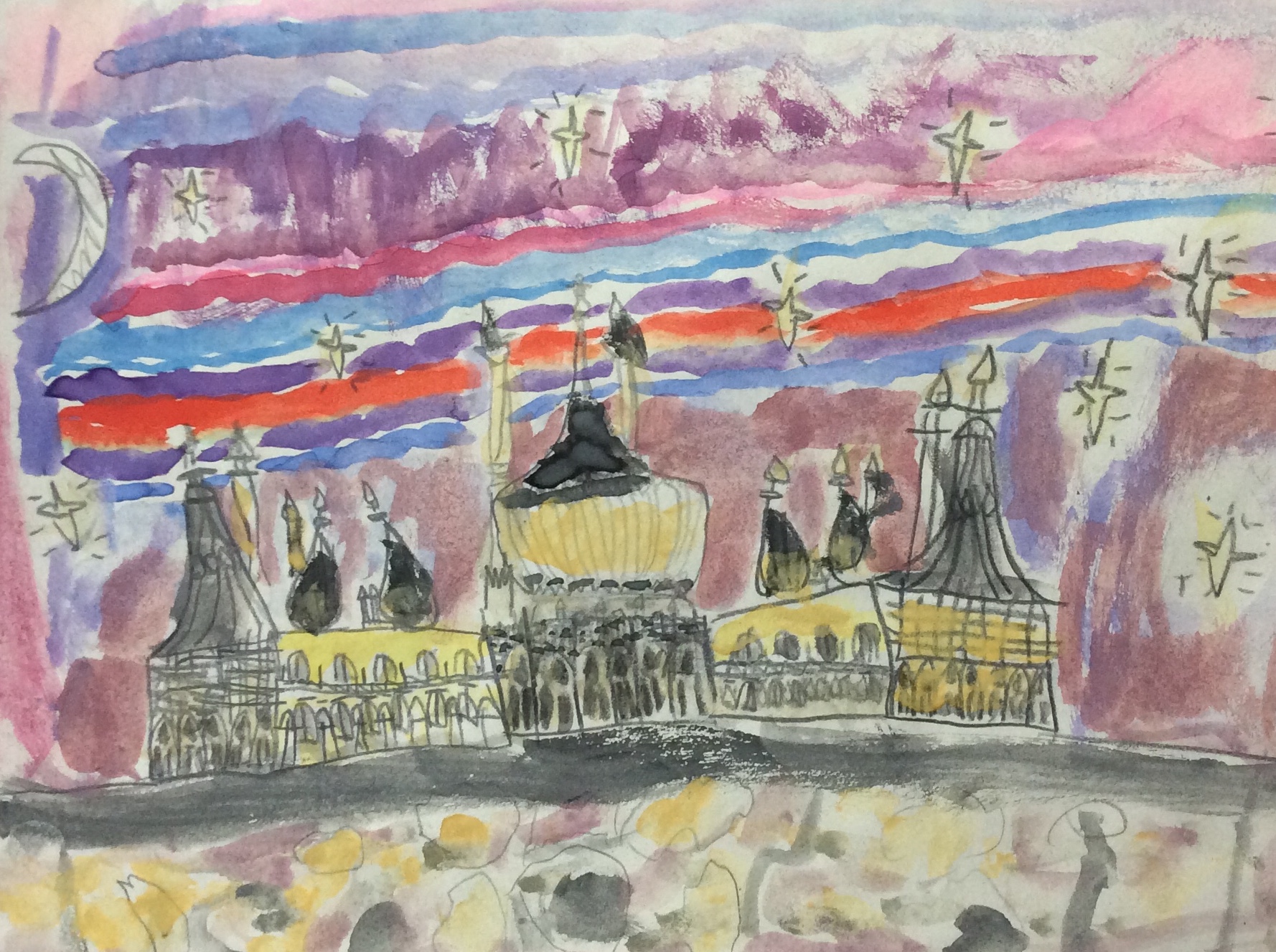
Year 2 Royal Pavilion Drawings
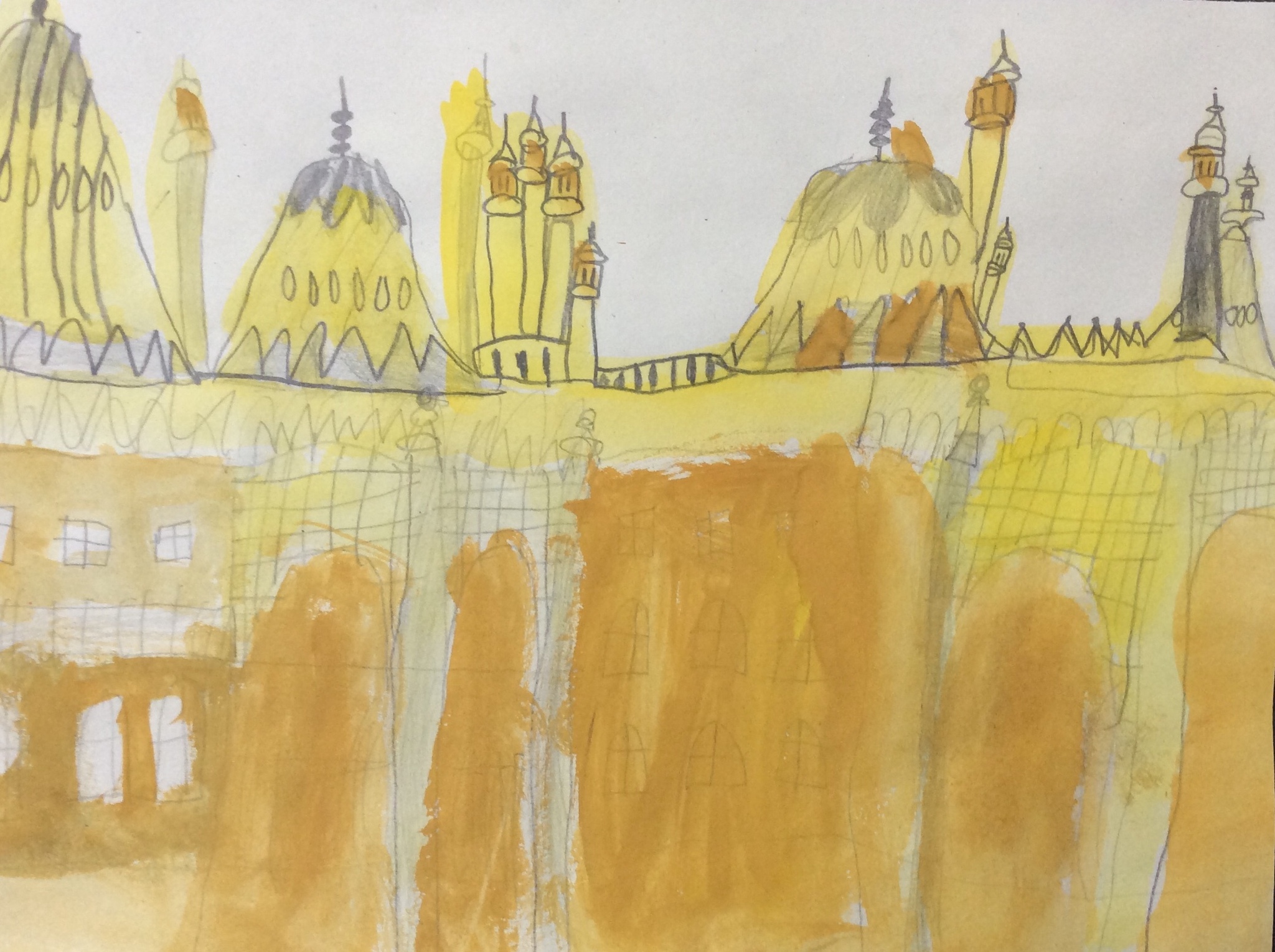
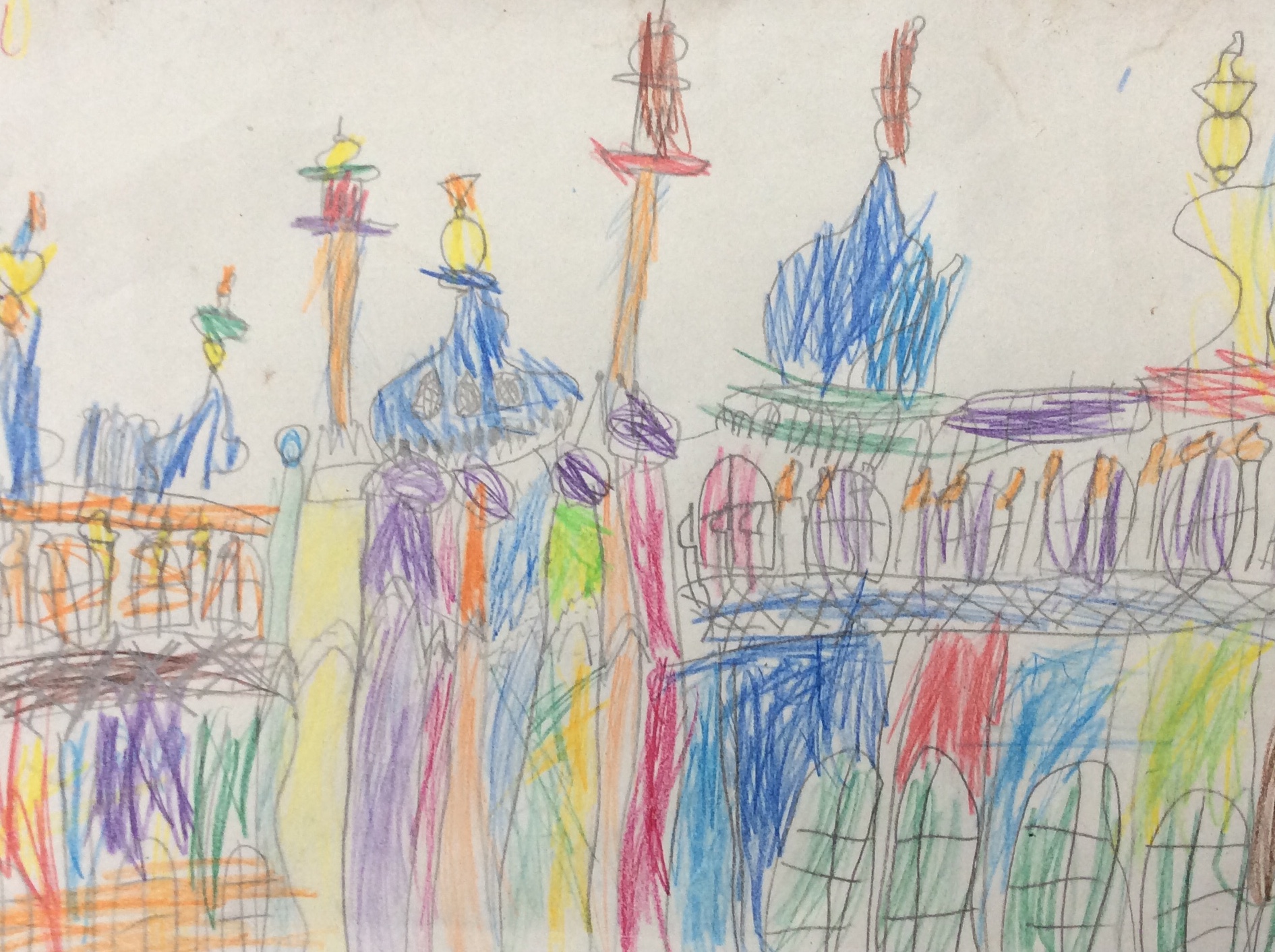
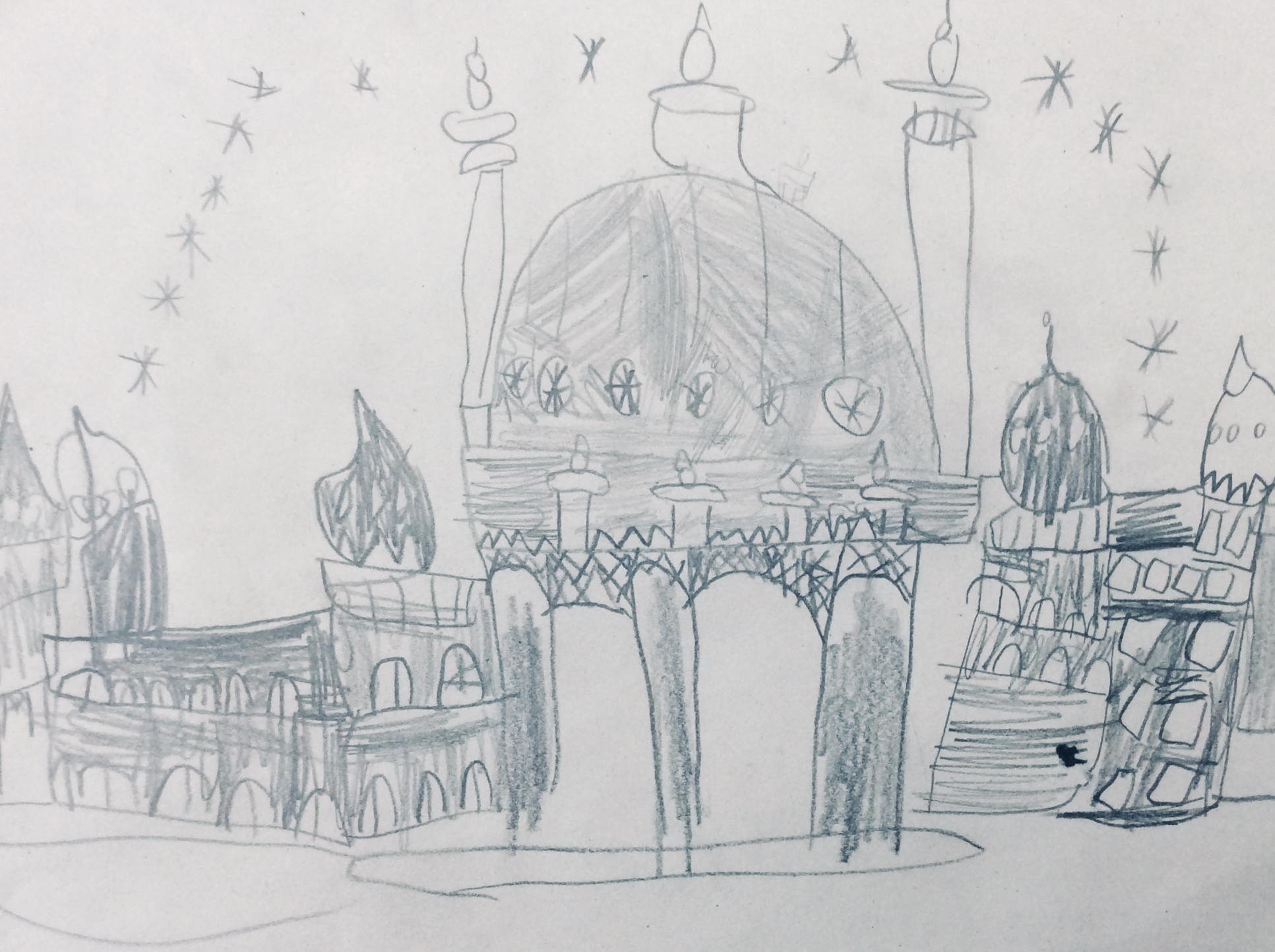
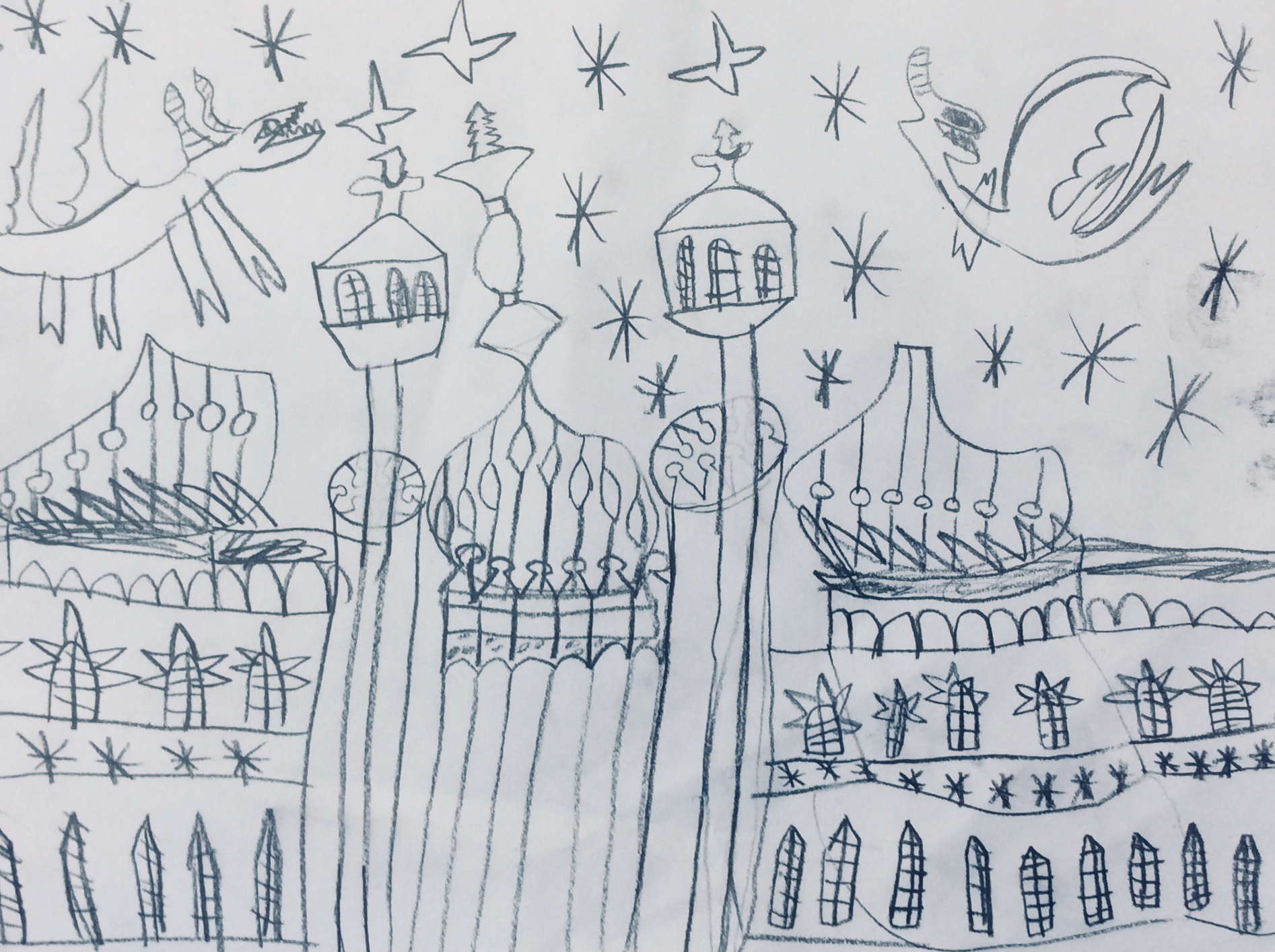
Year 2 Observational drawings of their class bird
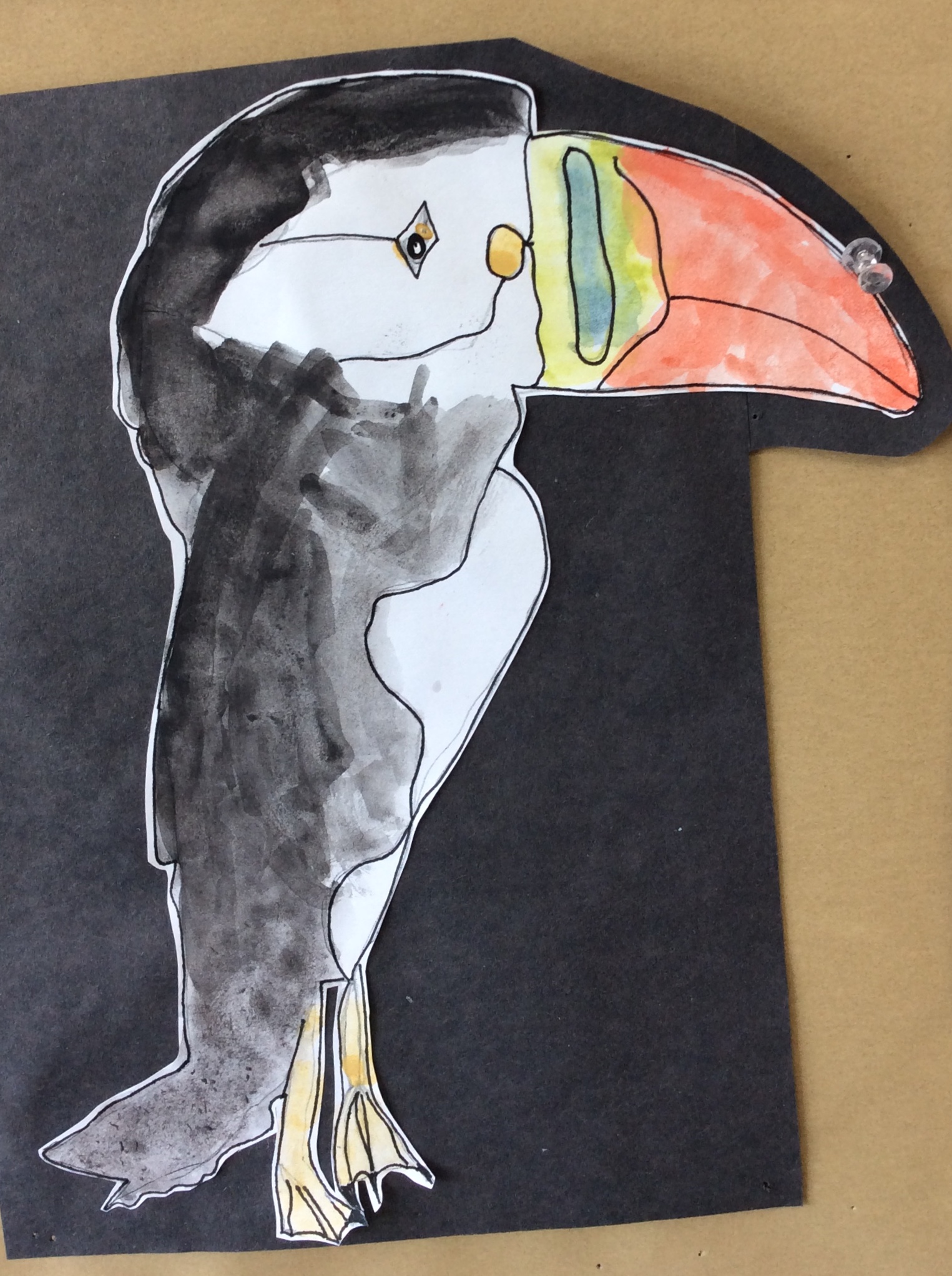
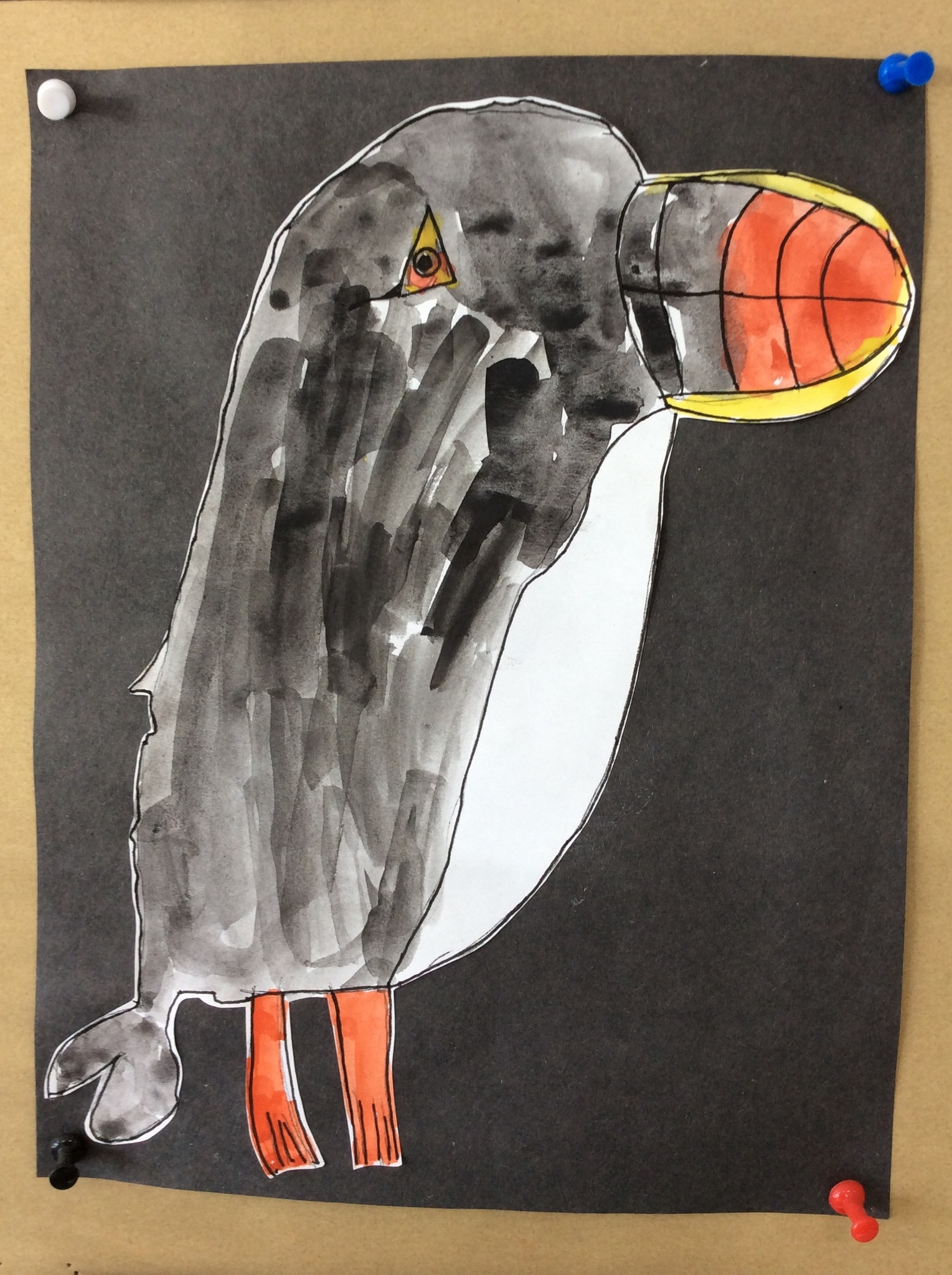
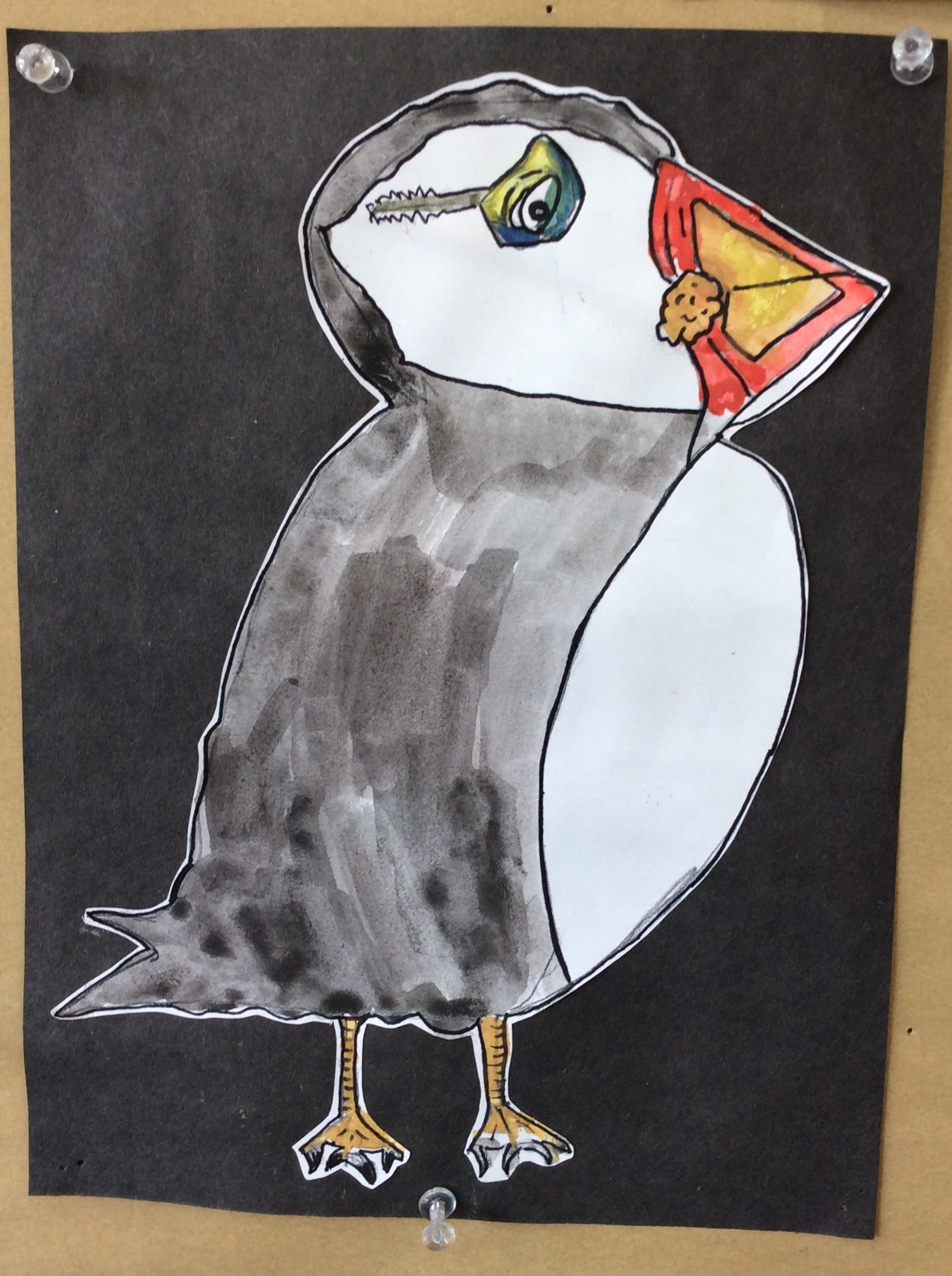
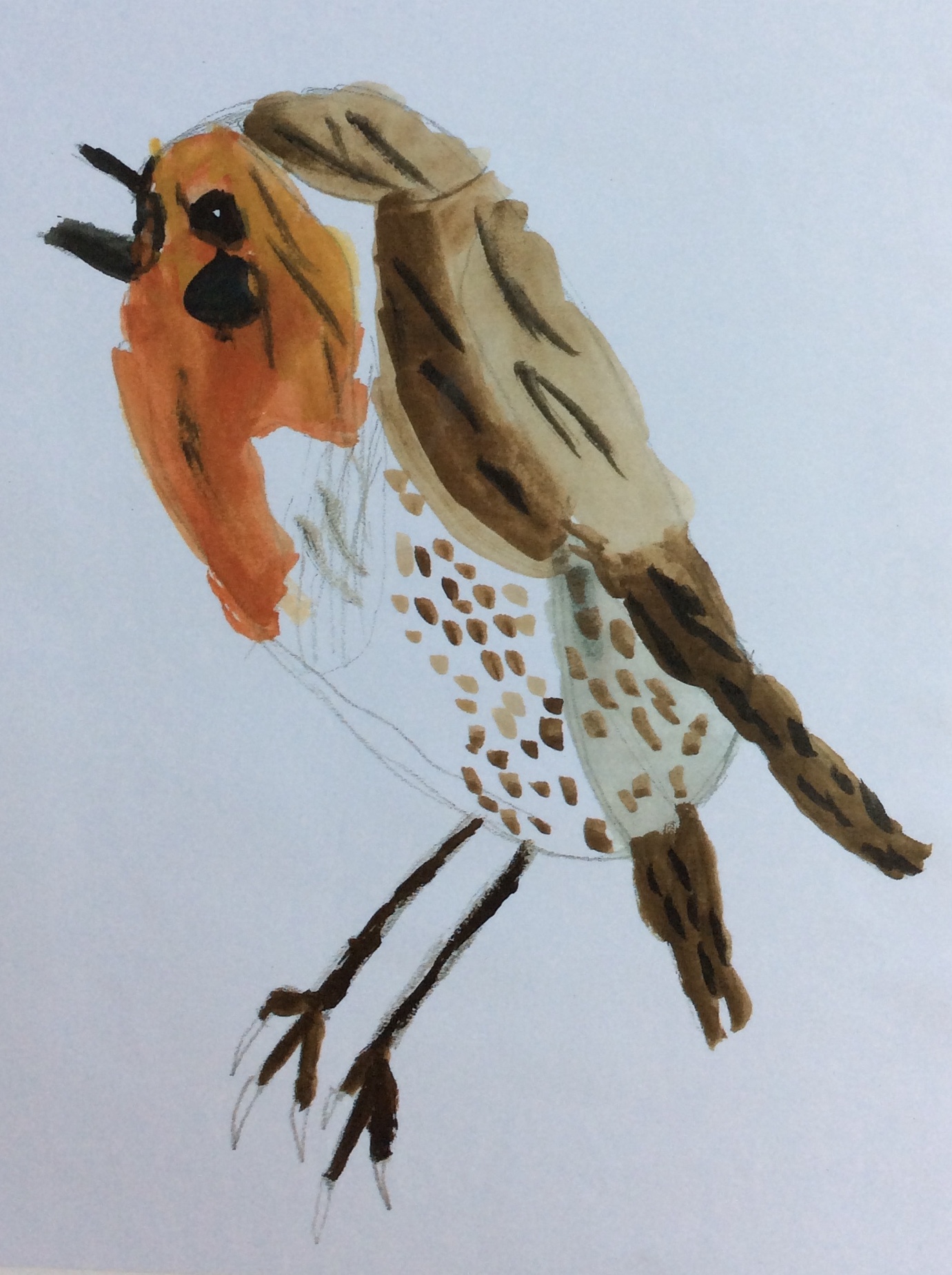
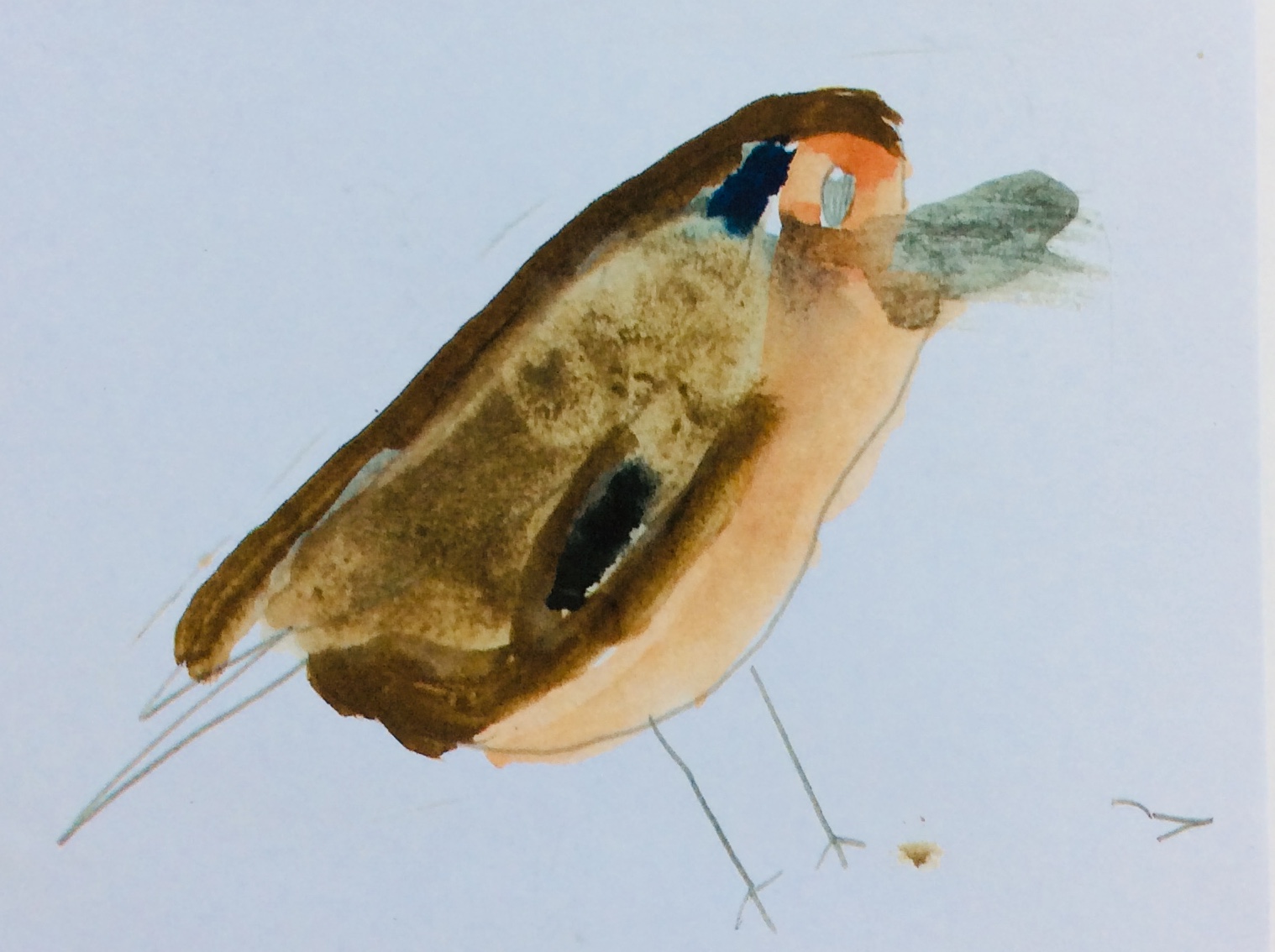
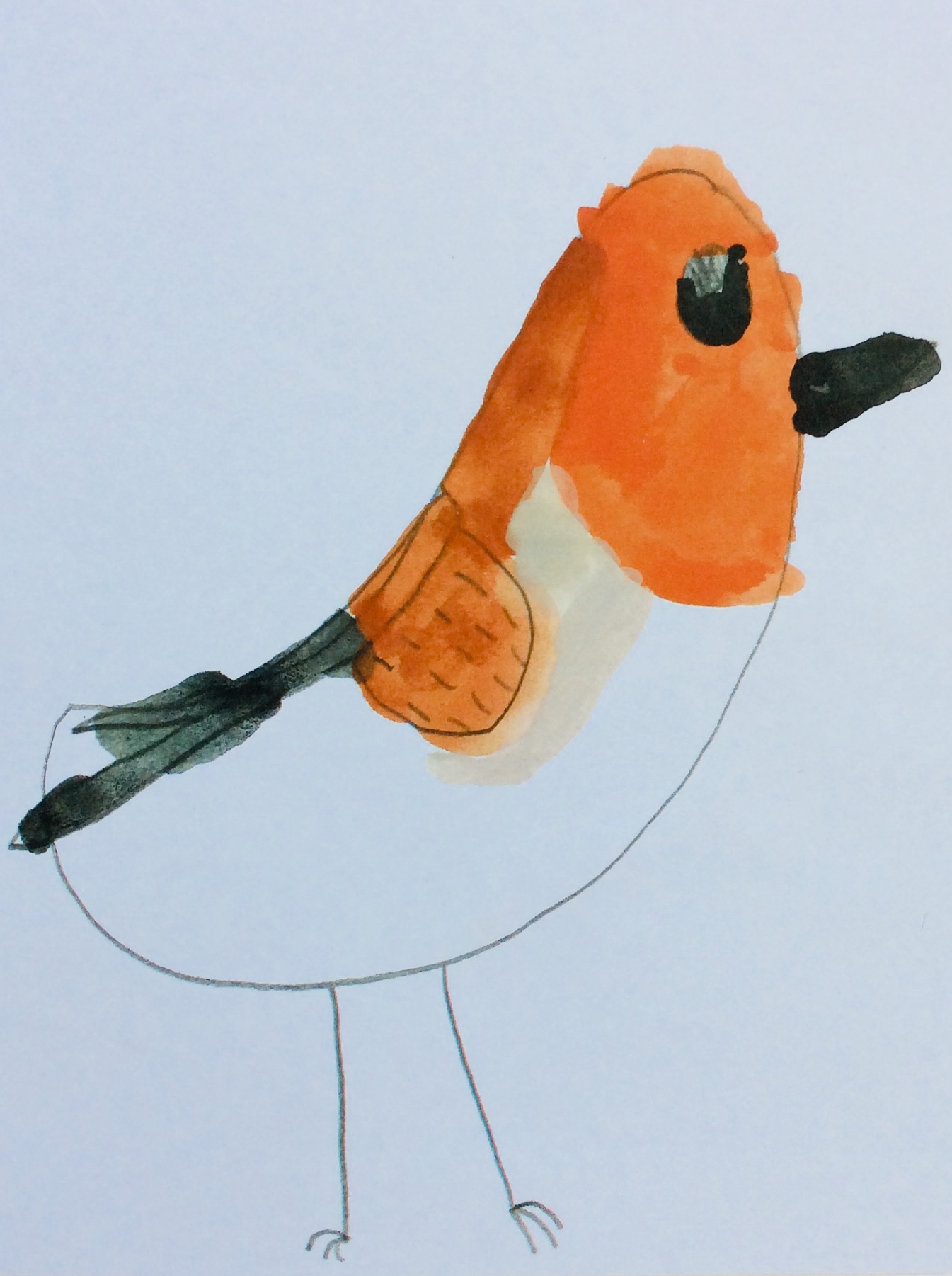
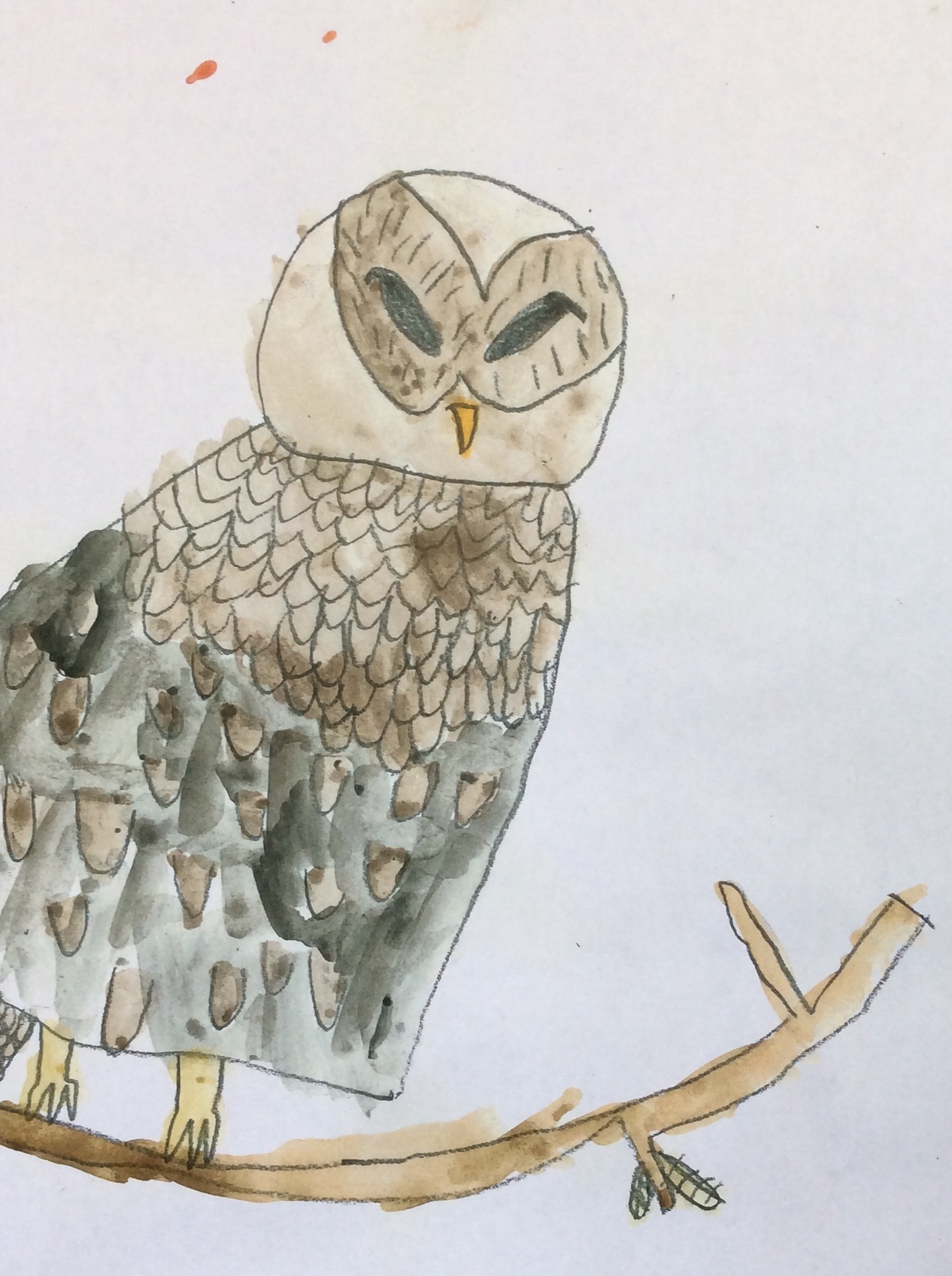
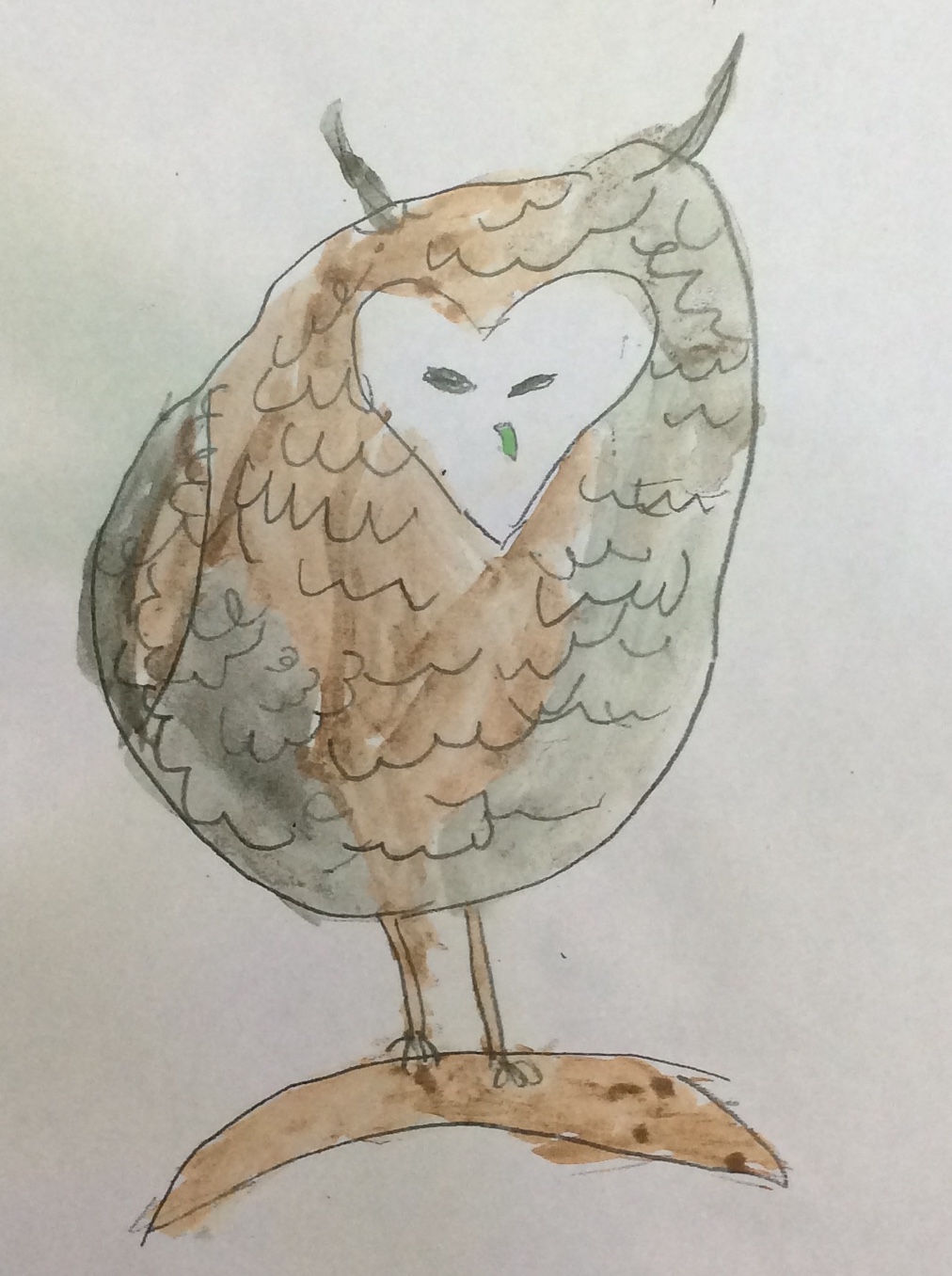
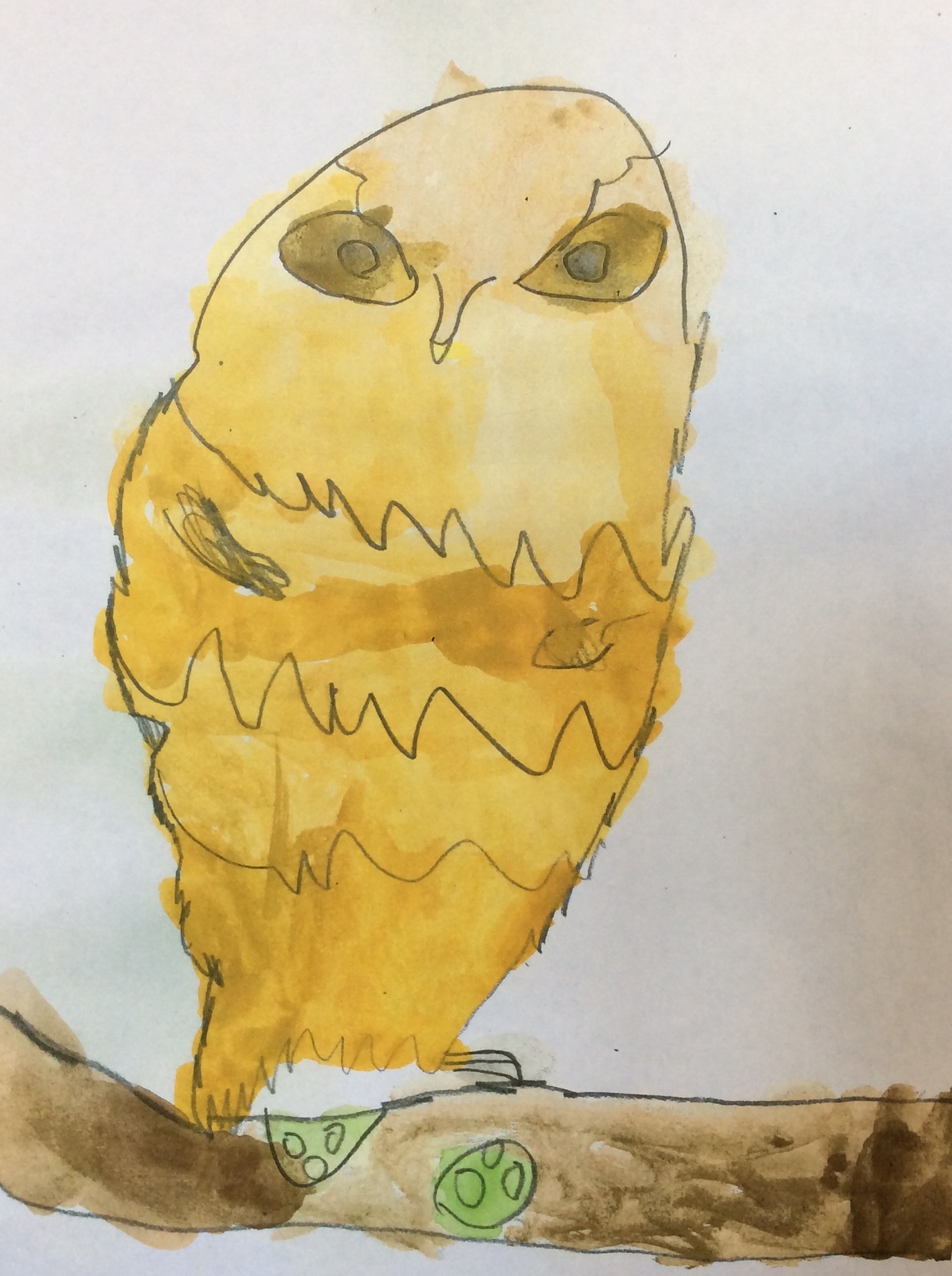
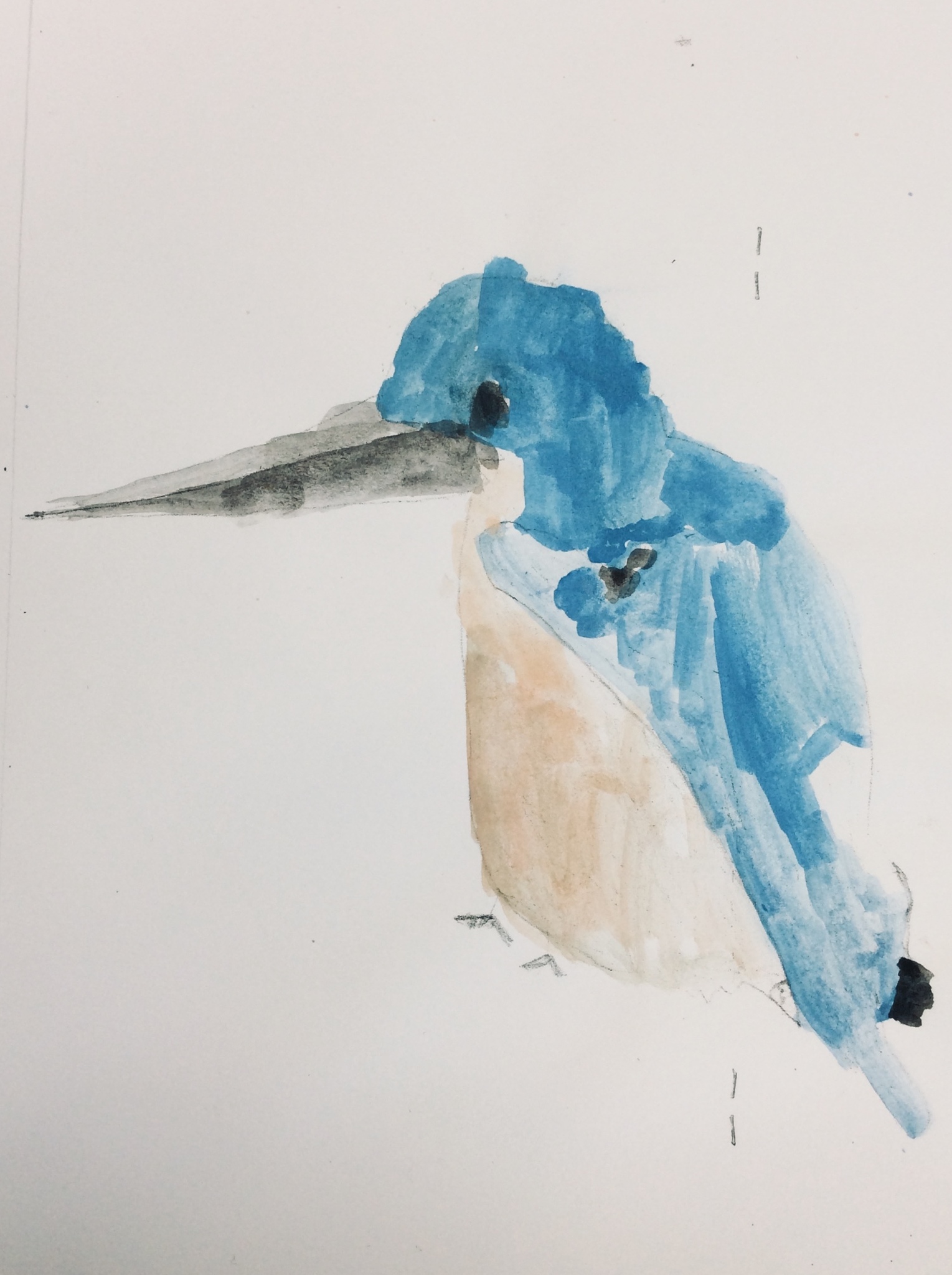
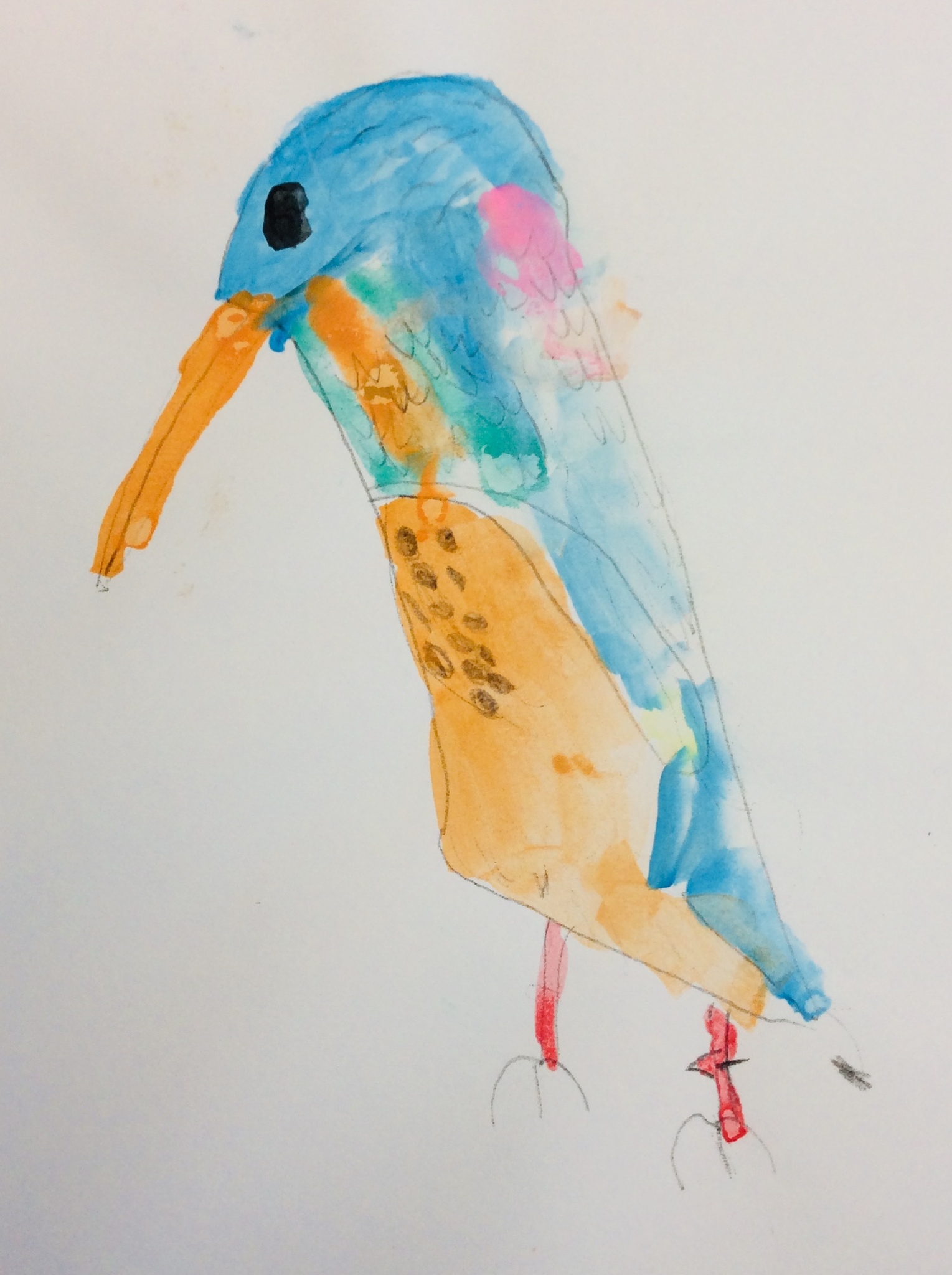
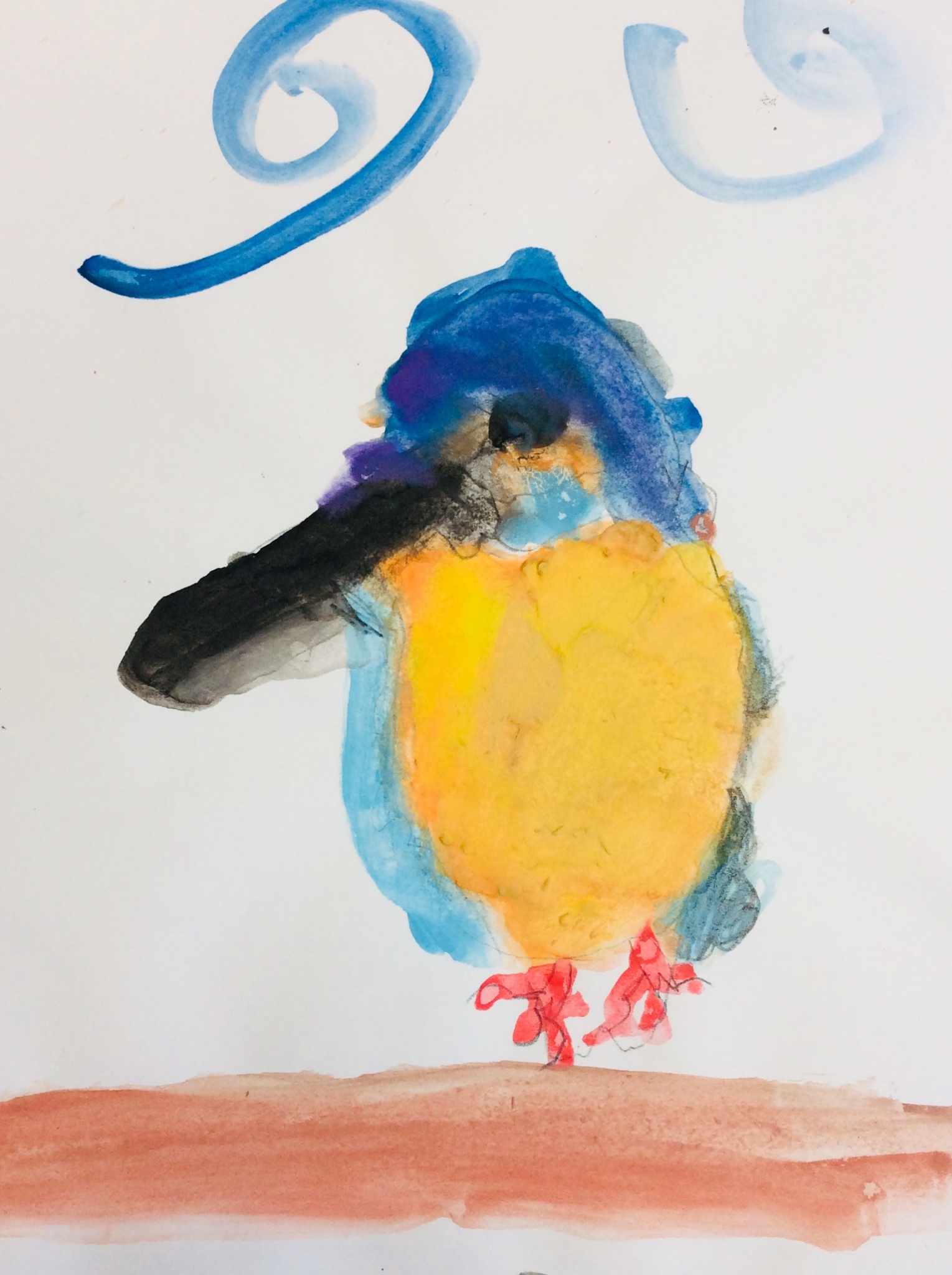
Year 2 Artwork Inspired by Rachel Jones
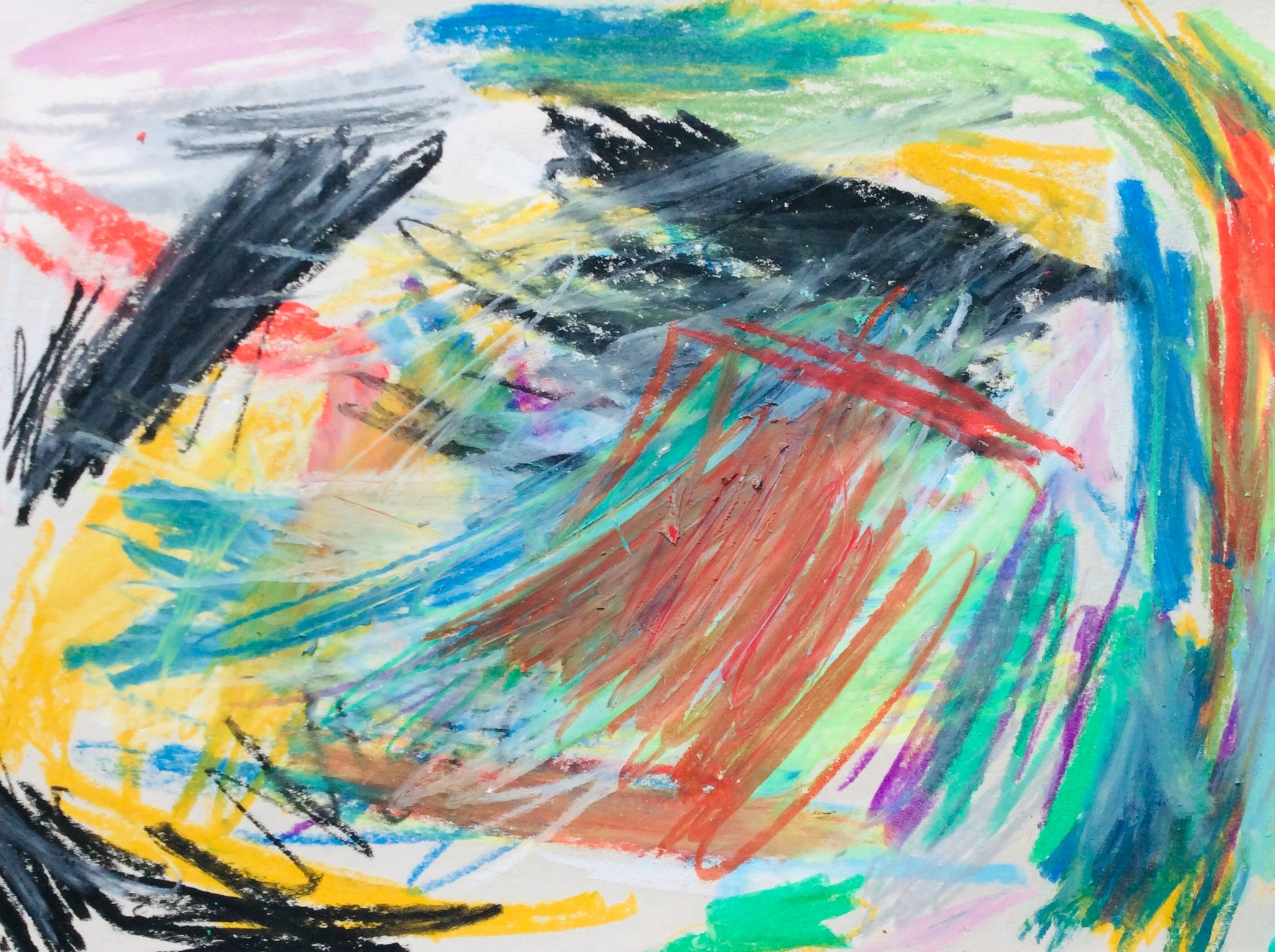
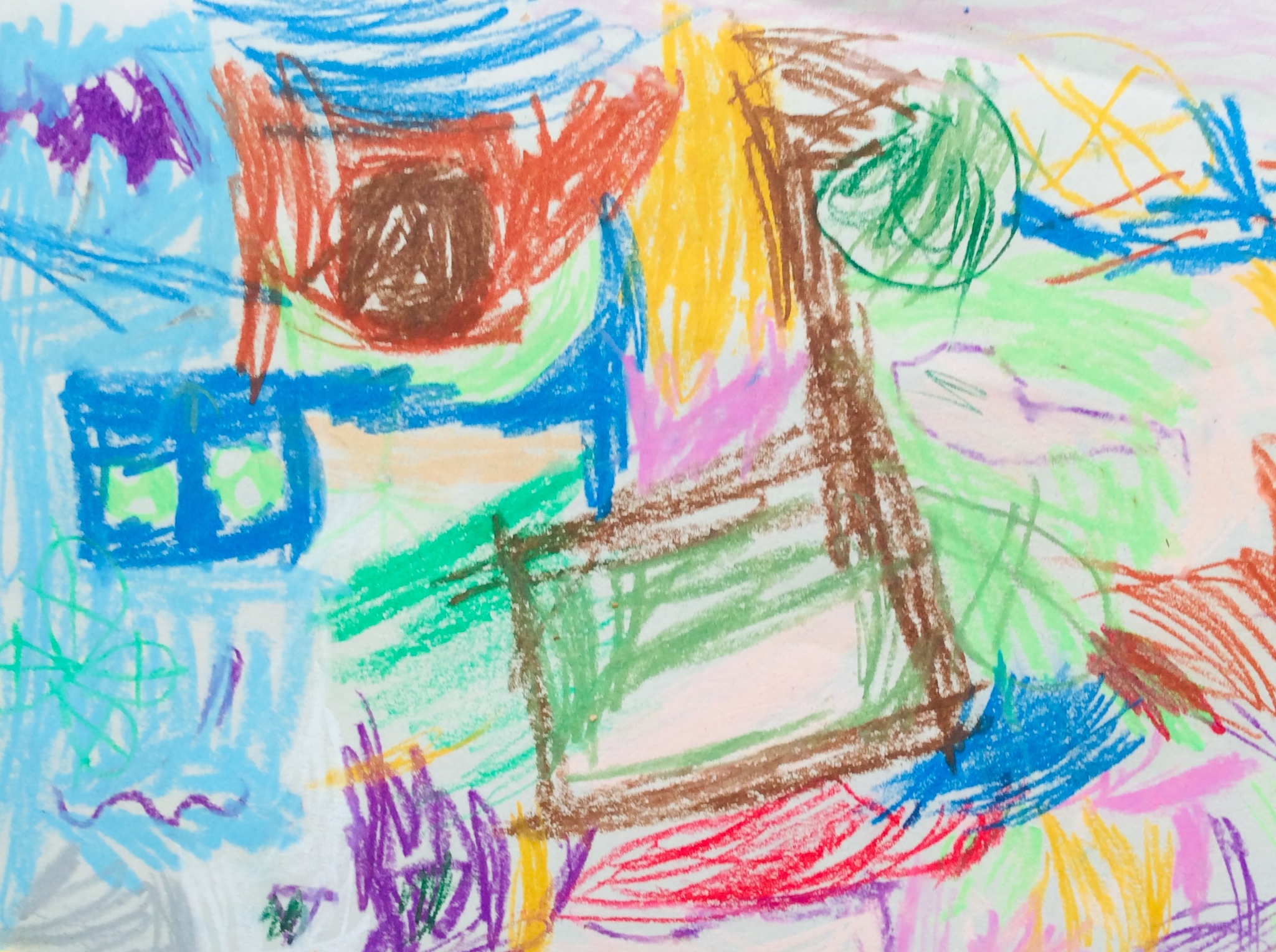
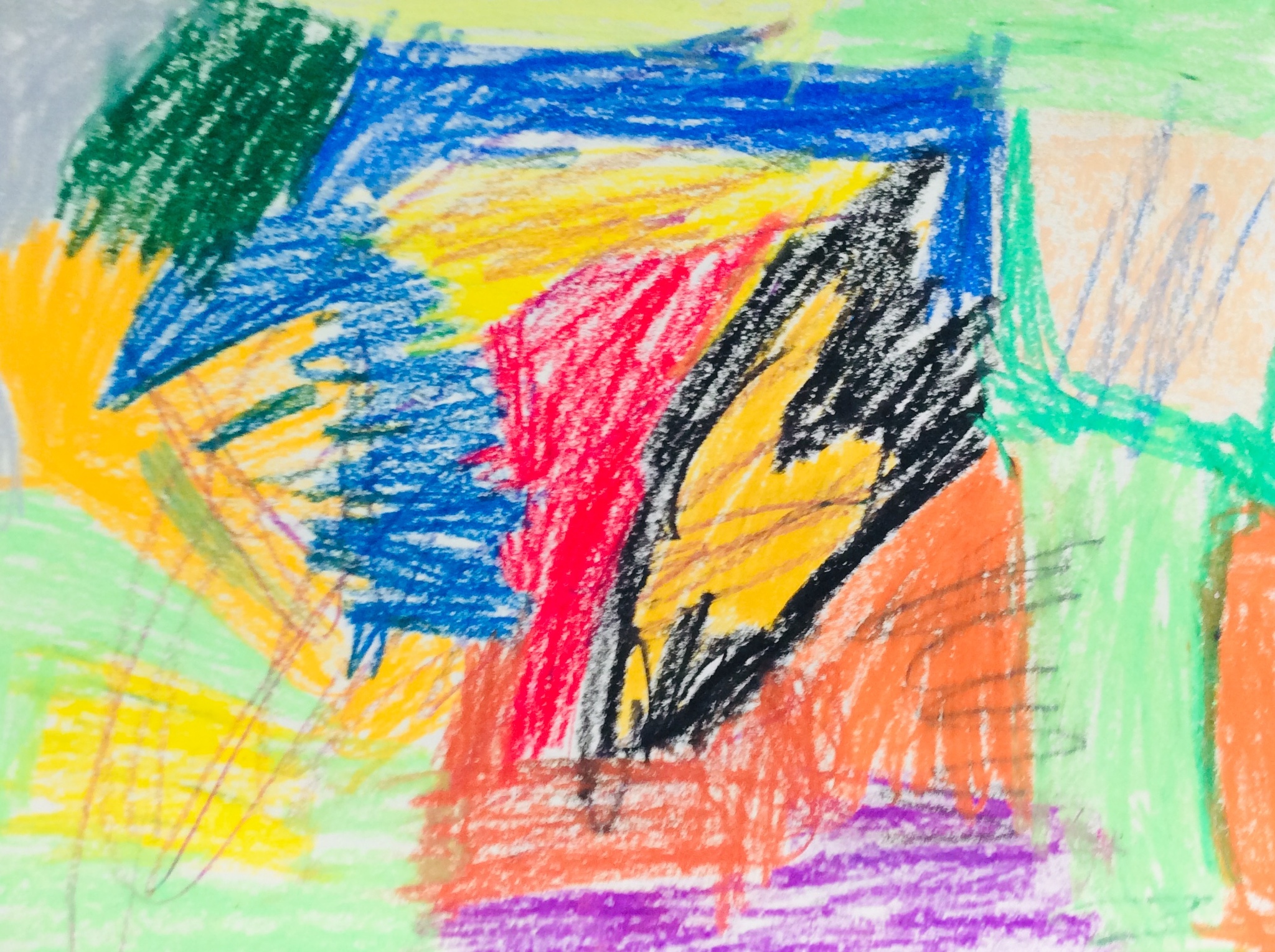
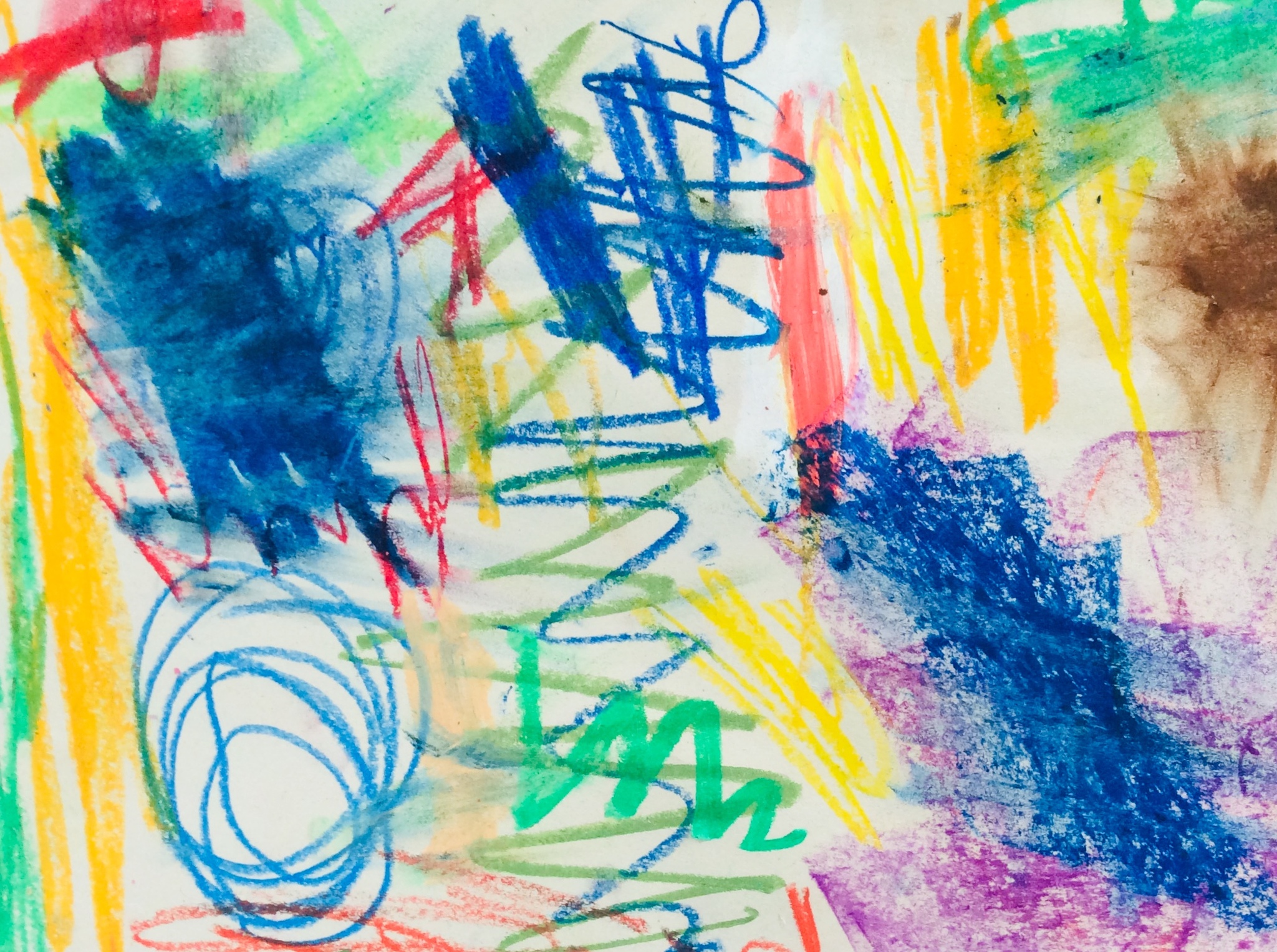

At Downs Infant School our intention is to support the development of each child to maximise their knowledge, skills and understanding of how they can contribute to society and develop an unshakeable sense of self-worth.
In providing a high-quality computing education children will be equipped to use computational thinking and creativity to understand and change the world. The fundamental computing principles of information and computation, how digital systems work, and how to put this knowledge to use through programming will be delivered with the end in mind, how to safely create and protect the world they value and imagine.
Information technology’s impact is prevalent throughout society at every level, and we will ensure that all children have the confidence to engage wholeheartedly with it throughout the curriculum.

At Downs Infant School we aim to tap into children’s natural instincts to experiment and create. We want children to understand the purpose of thinking critically, learning creatively, and value play.
Our coherent planning along with a broad and balanced curriculum will allow children to not only develop key skills in Design and Technology but also provide opportunities for cross-curricular learning. We also give children the chance to revisit their learning frequently by encouraging their own projects in Continuous Provision.
We want children to be aware of the design rich community that surrounds them and feel included in that community. Real life purpose to projects will inspire a desire for learning and enquire why a product is needed and who it is for. Children will be encouraged to use their problem-solving skills by designing and adapting their own products. By doing this, we are allowing the children to have a clear understanding of the design process and how it could contribute to society. For example: designing a vehicle for the future demonstrates children designing, making and evaluating with clear DT skills whilst also allowing for ethical considerations encouraging genuine design considerations.
Our child-led approach will encourage children to make mistakes, evaluate, challenge themselves and feel they own their own learning.
We aim to instill a love of food and an understanding of nutrition. Children in all year groups will learn about food technology, with the aim that they will have a clear knowledge of where food comes from, use their knowledge of nutrition to prepare meals creatively and have obtained a crucial life-long skill.

At Downs Infant School we aim to develop the whole child. We aim that children are enabled to make the very best of their lives; having choice and opportunity in their social and economic situation, contributing to society, and developing a sense of self-worth. We aim to provide a broad and balanced curriculum and to fulfil the requirements of the National Curriculum and the EYFS, which is inclusive to all children. We use our curriculum drivers to feed into and inspire our children in geography. Their learning will be through coherent planning and will be cross-curricular giving their learning a purpose.
We aim to provide an education that is rich in knowledge and opportunities and to apply that knowledge, revisiting it in ‘continuous provision’ and using it to problem-solve and to engage in their own projects.
Geography is a subject that allows children to not only make sense of the world around them, but also see the natural wonder and beauty that we as humans can work to protect and develop for future generations.
Through studying geography, children at Downs Infant School will learn to observe, describe and seek explanations for the world around them and the place they hold within it. It opens doors for children to ask the big questions about climate change, population movement, sustainability and how they will play a part in the ‘real world’ in the future.
We aim for our children to not only access the curriculum, but have time to respond to real life issues that are connected to the city and world we live in. We know that the balance of our ever changing world should be appropriately shared and discussed with children so they are well equipped to be global citizens of the future.
At the end of Reception we intend our children to have a curiosity about the world and to start looking at similarities and differences of their immediate area. This involves making connections and making sense of their world and their environment. Opportunities enable children to explore, observe and develop their understanding of people, places, communities and technology. This is supported by direct teaching of skills and high quality continuous provision both indoors and outdoors.
At the end of Year 1 we intend our children to be able to name where they live and to begin to name the 4 countries of the UK. We intend for them to look at a non-european country and develop an interest in learning about different cultures and lives. We provide opportunities for children to look with curiosity at their local area and the beach and similarities and differences including human and physical features having been on various trips.
At the end of Year 2 we intend them to continue being interested in the world about them and to be able to describe the 4 countries of the UK and to be able to look at the similarities and differences of Brighton and a contrasting non-European country.

At Downs Infant School we aim to develop the whole child. We aim that children are enabled to make the very best of their lives; having choice and opportunity in their social and economic situation, contributing to society and developing a sense of self-worth. We aim to provide a broad and balanced curriculum and to fulfil the requirements of the EYFS and the National Curriculum, which are inclusive to all children. We use our curriculum drivers to feed into and inspire our children in History. Their learning will be through coherent planning and will be cross-curricular, giving their learning relevance and a purpose.


At Downs Infants, Music is a vital part of school life because it is enjoyable. It enables all children to develop a vast range of essential skills. Their social, physical, intellectual, emotional and spiritual development is enhanced through the use of Music, because it is so accessible and can stimulate in so many different ways, genres, styles and traditions.
Music builds confidence and self-esteem as knowledge is attained, and we can all feel a sense of creative achievement in our aesthetic development.
We are able to use Music as we interact socially, and gain a sense of community and belonging. When we celebrate, Music provides the core for our gathering together, either participating as listeners or performers.
Music has strong links with many other curriculum areas, and children can develop their ability to communicate, attain skills, confidence and a love of music both as composers and listeners.
Music can be delivered to our children in such a way that it can be accessed and interpreted by all our children who all have different experiences, knowledge and skills. Music enables all children to share, express, perform and appreciate things in their own way, supporting them in their transition between home, school and the wider world.
With over 80 children learning rock instruments through Rocksteady, we were recently treated to a series of fantastic band performances. Every band was absolutely brilliant, and it was wonderful to see the children's confidence, teamwork and musical skills shine. We are incredibly proud to be nurturing a love of music and helping our young musicians thrive.
.jpg)
At Downs Infant School our PE curriculum aims to develop the whole child. We want our children to enjoy PE lessons and a range of physical activities and opportunities at school which we hope will inspire them to be physically active and to lead healthy and active lives now and into their futures. Our school values ‘Aspirstion, Belonging, Creativity, Diversity, Empathy and Flexibility’ are embedded into our PE lessons and whole-school approach.
Teaching aims
We aim to provide a broad and balanced PE curriculum which is inclusive to all children. This curriculum is carefully planned to fulfil the requirements of the National Curriculum and the EYFS framework. We plan for our children to develop their fundamental movement skills including running, jumping, throwing and catching, as well as developing balance, agility and co-ordination. We also want them to develop their dance skills and to participate in team games, developing their attacking and defending skills. We also plan for our children to develop their skills in gymnastics.
Our PE curriculum is progressive and enables children to work at their physical skill level at their ‘stage’ not ‘age’. We want our children to feel appropriately challenged in their P.E. lessons and aim to move each child on when they are ready.
Our PE curriculum is underpinned by 6 learning behaviours (cogs) that we want the children to develop.
These are:
- personal
- social
- cognitive
- creative
- physical
- health and fitness
Children should develop these learning behaviours through careful planning, questioning and support by the teacher.
We believe that when these 6 key skill areas work together in the whole child then the child can succeed. We plan to focus on one cog per half term to encourage progress in all of these areas.
We want our children to reach the End of Key Stage 1 having developed their physical skills to a strong level, and to feel proud of their progress.
PE
We use the REAL PE scheme of work. You can find out more about the scheme here:
We have the Quality Start Bronze Award for PE.
We use continuous provision throughout the school to deliver the curriculum, so children have access to physical activity outside for at least two hours every day.
DIS PE Funding 24/25
The Government is currently providing funding for schools to develop school sports provision and promote physical activity. The funding is being jointly provided by the Department for Education, Health and Culture, Media and Sport.

PSHE (Personal, Social and Health Education)
Downs Infant School is warm, open and nurturing. From the greeting our children receive on arrival to school each day, to the way adults model making mistakes, we strive to make every child feel special. We have a strong sense of community which is inclusive of all and we teach our children to be kind and the value of love. This is in line with our school values of ambition, belonging, creativity, diversity, empathy and flexibility. We are creative and innovative in our approach to education and we champion an inquisitive and curious approach to our learning. We deeply value play as an integral part of our children’s ongoing learning with both achievements and effort, celebrated and rewarded.
At Downs Infant School, we believe that PSHE education is fundamental and encompasses many areas. It impacts every aspect of our children’s learning and development and is a vital part of their preparation for life. To reflect this, it has been given a higher status of ‘core subject’.
We believe that it is integral to our children to provide PSHE learning that is age appropriate and rich in problem-solving knowledge, skills and strategies to help our children learn well and have a healthy, happy and fulfilling life.
In PSHE, we learn how taking care of ourselves and each other is part of looking after the world and nature, which helps us feel good and connected to the environment around us. PSHE has a huge part to play in with our environmental school project ‘Our City, Our World’. PSHE helps our children understand the importance of their wellbeing, social responsibility and how their actions impact the world around them.
We provide many opportunities for children to have significant amounts of time for continuous provision and as a result we are able to apply and develop their skills in real and meaningful situations. Learning to tidy away large blocks with a group of children can present some wonderful opportunities for PSHE skills to develop.
Our PSHE curriculum supports our infant school behaviour ethos, encouraging mutual respect, inclusivity, responsibility and an enhanced self-esteem in a happy and caring environment. It also makes a significant contribution to safeguarding, helping us fulfil our statutory duty to teach our children to keep themselves healthy and safe. The PSHE curriculum develops our children’s learning and confidence in school and also helps them to feel confident and safe in the wider community, allowing them to develop their independence.
Unlike, a number of other subjects, the specific knowledge taught in PSHE education changes regularly due to legal changes, medical or technological updates. At Downs Infant School, we continue to ensure that any aspect of PSHE education is accurate, up to date, unbiased and balanced. Our PSHE lead meets each term with the Brighton and Hove PSHE network of teachers and PSHE leads. We have parent / carer consultations, focus groups and workshops as well regular discussions with our delegated school council members regarding ongoing or developing PSHE education to help us prioritise the quality of our PSHE learning and ensure that it is reflecting the needs of all of our children in our school, including children with SEND. We believe that this approach helps us to ensure that our PSHE curriculum is adapted and responsive to the school community as a whole.
This area of the curriculum incorporates relationships and sex education, drugs and alcohol education, and anti-bullying work. We are well supported by the team at the Brighton and Hove Local Authority, and access regular training and support on this important area of the curriculum. At Downs Infant School we are proud to be meeting the new DfE guidance for Relationships, Health and Sex Education (2019) and contributing to the Equalities Act duties on schools, through our PSHE curriculum.
Prior to teaching our relationships and sex education module in the Summer Term, parents and carers have the opportunity to attend a workshop to find out more about this area of the curriculum. You can access the presentation from the last workshop below.
Here are some resources to support you and your child with PSHE issues at home:

Here at Downs Infant School our teaching of Religious Education is based on the 2025-2030 Brighton and Hove SACRE Agreed Syllabus for Religious Education alongside the National Curriculum and EYFS requirements. It forms part of a broad and balanced curriculum that is inclusive to all children.
Religious Education in our infant school helps children explore big questions about themselves, others and the world around them. Through learning about a range of religious and non‑religious worldviews, children begin to notice similarities and differences, develop curiosity, and build early respect for diverse beliefs. They learn to talk about ideas, values and experiences with growing confidence, listen to others with kindness, and start forming their own thoughtful responses. RE nurtures children’s sense of identity, encourages positive dialogue, and lays the foundations for understanding, interpreting and reflecting on the world as they grow.
Principle aim (based on B&H syllabus and adapted for our school):
“In our infant school, Religious Education helps children explore big questions about life and discover what people believe and how this shapes the way they live. Through stories, celebrations, and thoughtful discussions, children begin to make sense of different religions and worldviews, and start to reflect on their own ideas, experiences, and ways of living.”
. We also use RE to encourage our children to develop an appreciation of the world in which they live and to reflect upon their responsibility towards it. This is part of our wider Our City Our World project, in association with Brighton and Hove Council and other schools across the city.
Religious Education is taught throughout the school in such a way as to reflect the overall aims, values, and philosophy of the school. At Downs Infant School Religious Education plays an important role, along with all other curriculum areas, particularly PSHE in promoting the spiritual, moral, social, and cultural development of our children.
We teach all subjects throughout the year, but each half term we focus on two foundation subjects to develop, and the subject leaders feedback to staff and parents about those subjects in half termly 'round ups'.
Computing at Downs Infants: E-Safety